


Regional Analysis
The Egyptian Chili and Spice Market Landscape
Understanding the intersection of culinary tradition and industrial growth in North Africa.
Egypt possesses a vibrant culinary heritage where spices are fundamental. The local market is characterized by a high demand for both raw and processed chili products, utilized heavily in traditional Egyptian cuisine and the expanding fast-food sector. However, the market relies heavily on imports to meet the volume and specific quality standards required by industrial food manufacturers. The business environment is currently shifting toward larger, more standardized shipments to reduce the operational risks associated with fragmented local sourcing.
Current trends indicate a surge in demand for "clean label" ingredients. Egyptian consumers and regulators are increasingly scrutinizing the use of artificial colorants in paprika red pepper. This shift is driving food companies to seek suppliers who can guarantee natural coloring through advanced deep processing. Furthermore, the rise of healthy snacking has created a new niche for high-quality chili snacks and specialized oils, moving the market beyond simple powders toward value-added spice derivatives.
The primary opportunity in the Egyptian market lies in the bridge between industrial scale and artisanal quality. While many suppliers offer volume, few can provide the consistent purity and custom specifications required for high-end food production. The main constraint remains the logistical complexity of customs and international shipping. Companies that can provide comprehensive documentation and stable supply chains will dominate the outlook for the next decade as Egypt continues its industrialization of the food processing sector.
Industry Progress
The Evolution of Chili Deep Processing
From traditional sun-drying to technology-driven industrial extraction.
Early Stage
Traditional Drying
The industry relied on manual sorting and open-air sun drying. This often resulted in uneven moisture levels and high contamination risks from environmental dust.
Mid Stage
Mechanical Processing
The introduction of industrial grinders and mechanical dryers allowed for higher volumes. This shifted the focus toward bulk production but often sacrificed flavor nuance.
Current Phase
Deep Processing
Modern facilities now use precise temperature control and nutrient preservation. This allows for the creation of specialized products like high-purity oil and customized cut chilies.
Precision Heat Management
The industry has moved from "hot or mild" to specific Scoville unit targeting. This allows food scientists to create recipes with mathematical precision, ensuring that a product tastes identical whether it's produced in Cairo or Alexandria.
Sustainable Farm-to-Factory
Vertical integration is now the gold standard. By controlling the farm, companies eliminate the "mystery" of raw material quality, reducing pesticide residues and ensuring the genetic purity of the chili variety used.
Advanced Extraction Science
The move toward seed oil and concentrated oleoresins represents the peak of current evolution. This allows for the delivery of flavor and heat without the bulk of physical particles, ideal for modern food additives.
Future Outlook
Emerging Shifts in Global Spice Production
Analyzing the forces reshaping how the world consumes and processes heat.
Demand for Specialized Texture
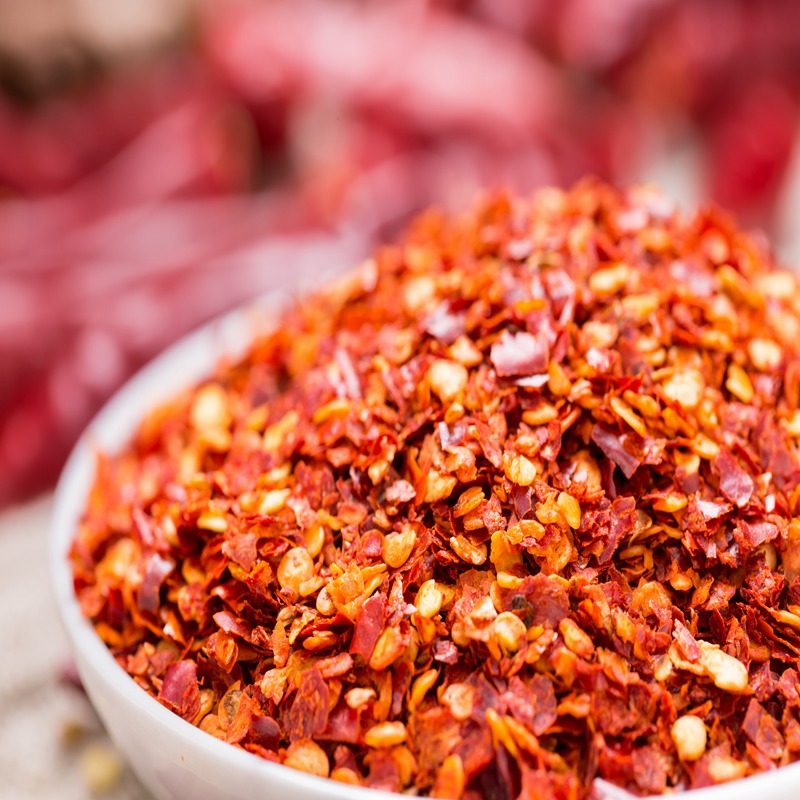
Consumers are moving away from generic powders toward chili pepper crushed and cut formats. This provides visual appeal and a timed release of heat, which is highly valued in gourmet food sectors.
Natural Colorant Integration
As artificial dyes are banned in more regions, high-quality paprika is being used as a natural alternative. This creates a massive industrial demand for color-stable, deeply processed red pepper powders.
The Rise of Chili-Infused Oils
The global popularity of Asian-style condiments has spiked demand for chili seed oil. Industrial producers are now focusing on stability and smoke-point optimization for these oils in commercial kitchens.
Eco-Friendly Packaging
Bulk spice shipping is transitioning toward biodegradable and moisture-barrier packaging. This ensures that the potency of the chili is preserved during long sea voyages to Egypt.
The convergence of these trends points toward a more sophisticated spice market. In the past, the Egyptian market viewed chili as a commodity; however, it is now evolving into a specialty ingredient market. This transition is fueled by the growth of the middle class and an increased appetite for global flavor profiles, necessitating a higher standard of purity and processing. The focus is no longer just on heat, but on the complex aromatic profile of the chili, which can only be achieved through scientific deep processing.
Furthermore, regulatory pressures from the Egyptian Food Safety Authority are pushing the industry toward complete traceability. The ability to trace a bag of chili powder back to the specific farm plot is becoming a competitive advantage. This "transparency trend" favors vertically integrated companies that control the entire process, as they can provide the necessary documentation and quality guarantees that fragmented supply chains simply cannot offer.
Practical Application
Industrial Use Cases in the Egyptian Market
How our processed chili products integrate into local commercial operations.
01
Cairo-Based Industrial Sauce Manufacturer
A large-scale sauce producer in Cairo requires a consistent base for hot sauces. By using our sweet chili flakes, they avoid the heat variability of local open-market spices. The result is a standardized product that maintains the same flavor profile across millions of bottles, reducing the need for corrective additives during production.
02
Alexandria Seafood Processing Plant
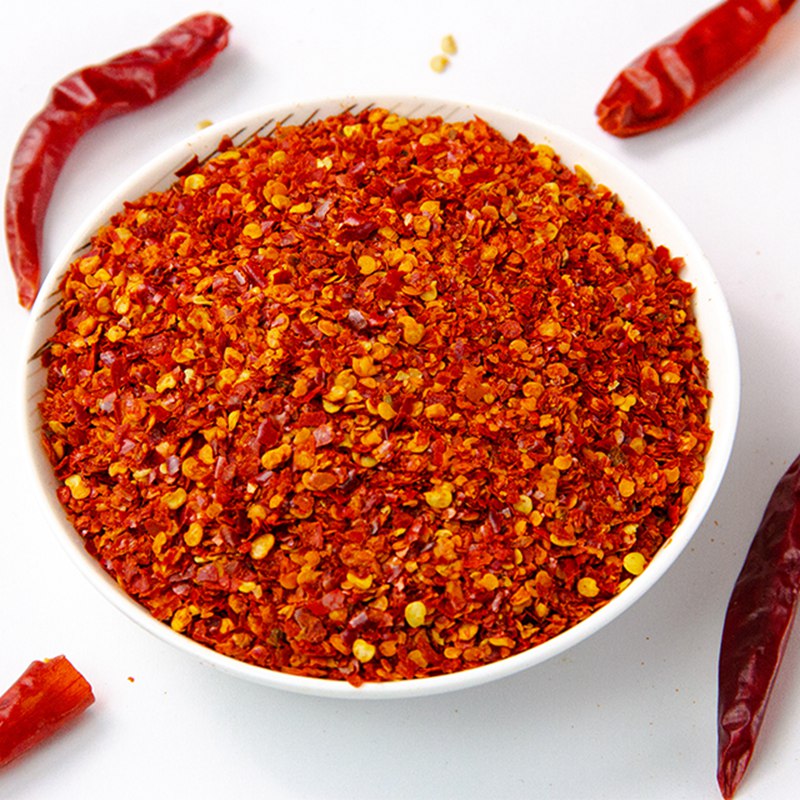
A seafood exporter in Alexandria uses crushed chilies for seasoning frozen shrimp. The high humidity of the coastal environment often causes spice clumping. Our deep-processed, low-moisture crushed chilies ensure a free-flowing application, preventing equipment clogs and ensuring an even coating on the seafood, which improves the aesthetic appeal for European export markets.
03
Giza-Based Gourmet Snack Brand
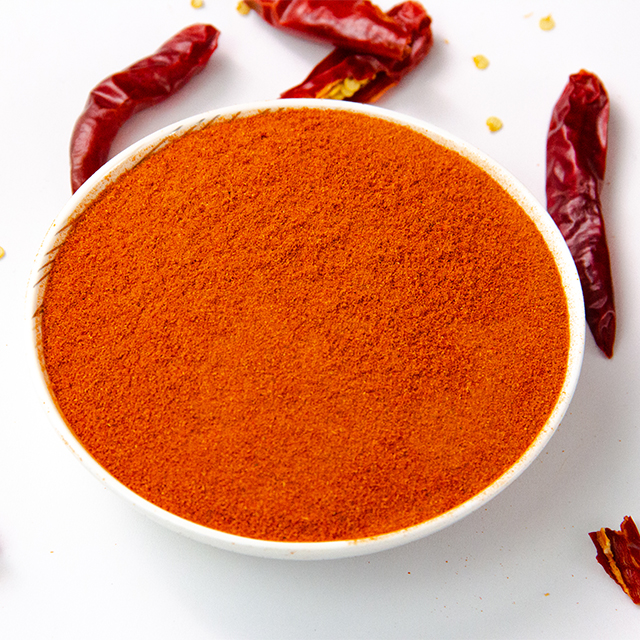
A premium snack company in Giza develops "spicy" potato chips. They require a fine powder that adheres well to the surface without altering the chip's crunch. Our precision-milled chili powder provides the ideal particle size and natural red color, allowing them to eliminate synthetic dyes while maintaining a visually striking product.
04
Cairo Commercial Kitchen Chains
Large restaurant chains operating across Cairo use chili seed oil for rapid flavor infusion in stir-fry dishes. The high smoke point and purity of our oil allow chefs to achieve a consistent "charred" heat without the oil breaking down or tasting bitter, ensuring a uniform dining experience across all franchise locations.
05
Regional Spice Distributor in Upper Egypt
A wholesale distributor supplying local markets in Upper Egypt imports bulk paprika. By switching to our factory-direct supply, they eliminate three layers of middlemen. This allows them to offer a higher purity product at a lower wholesale price, increasing their market share among local retail spice shops.
Operator Perspectives
Representative Deployment Scenarios
Illustrative outcomes based on typical industrial spice applications.
In an industrial sauce production setting, switching to deep-processed chili powder eliminates the need for manual batch-testing of heat levels. The consistency allows for automated dosing systems to function without constant recalibration, significantly increasing hourly output.
For distributors managing high-volume imports, the removal of intermediary agents drastically reduces the lead time from order to warehouse. Direct factory sourcing ensures that the product arrives with the moisture content perfectly controlled for long-term storage.
Implementing a high-purity chili seed oil in commercial kitchens reduces the amount of raw spice needed to achieve a specific flavor profile. The concentration of heat and color means less product is used per dish, optimizing the overall food cost per plate.
Our Heritage
Longyao County Xuri Food Co., Ltd.
A legacy of passion, quality, and global spice innovation.
1996
Foundation of Xuri Food
Established as a dedicated facility for chili deep processing, Xuri Food began with a vision to bring authentic, high-quality spice products from our homegrown crops to the wider world, focusing on quality and authenticity from day one.
Growth Phase
Vertical Integration
To ensure total control over quality, we developed our own dedicated farm. This allow us to specialize in a wide array of products, including gochugaru, sweet paprika, and chili seeds oil, redefining the spice industry through sustainability.
Expansion
Global Footprint
Xuri Food expanded its reach into Japan, Korea, Germany, the USA, Canada, Australia, and New Zealand. By partnering with international distributors, we have become a trusted leader in the global spice market.

Premium New Generation Dried Chili Peppers Suppliers and Factory in China
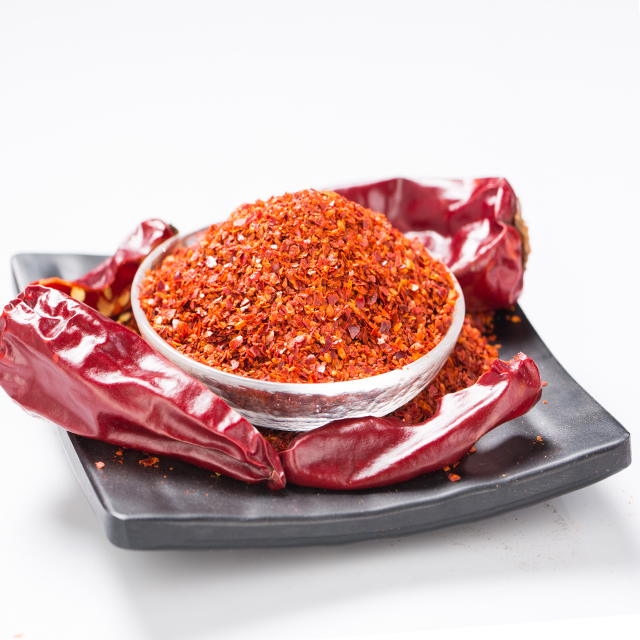
Sweet paprika crushed

Premium Sweet Paprika Crushed China Factory | Professional Bulk Spices Suppliers
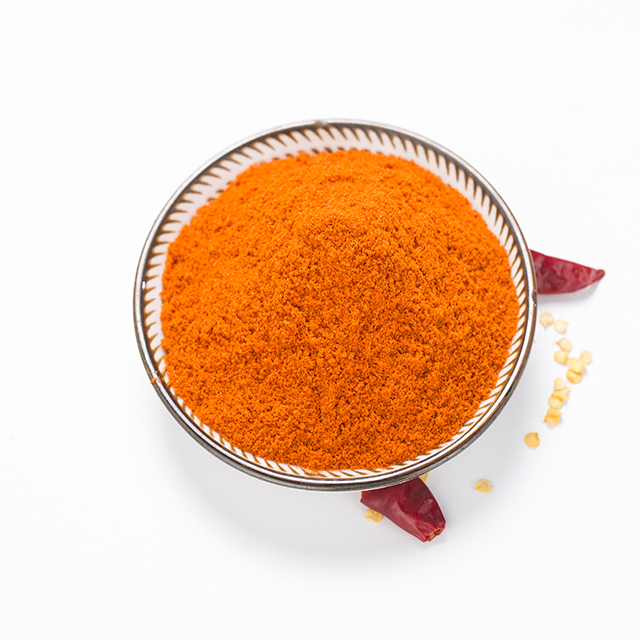
chili powder-70,000-80,000SHU
Buyer Support
Frequently Asked Questions
Technical and operational answers for professional spice procurement.
What distinguishes your deep processing from standard chili grinding?
Deep processing involves a multi-stage scientific approach. Unlike standard grinding, which simply reduces particle size, our process includes precise moisture control, temperature-managed drying to preserve aromatics, and multi-step purification. This ensures that the final product—whether it be powder or oil—has a stable color, a consistent heat level (Scoville), and is free from microbial contamination, making it suitable for industrial food production.
Can you provide customized particle sizes for specific food applications?
Yes, we offer customized milling specifications. We understand that a snack manufacturer requires a different particle size than a sauce producer to ensure proper adherence or dissolution. We can provide anything from ultra-fine powder to coarse crushed flakes. Clients simply need to provide their required mesh size or a sample of their desired texture, and our technicians will calibrate the milling process to match those exact specifications.
How do you ensure the consistency of heat levels across different shipments to Egypt?
Consistency is achieved through our vertical integration. Because we operate our own farms, we can blend different batches of chilies to reach a target Scoville unit before the processing begins. Each shipment undergoes laboratory testing to verify the heat level. By controlling the raw material source and the processing parameters, we eliminate the volatility typical of open-market sourcing, ensuring your recipes remain unchanged across every order.
What safety certifications and purity standards do your products meet?
Our products are processed in a facility designed for international food safety compliance. We implement a rigorous multi-stage cleaning process that removes foreign materials and utilizes controlled sterilization to minimize microbial loads. This ensures our chili products meet the strict import requirements of Egypt and other global markets. We provide necessary technical documentation to facilitate customs clearance and quality assurance audits for our B2B partners.
Is it possible to order a combination of different chili products in one shipment?
Absolutely. We specialize in providing a comprehensive spice portfolio. You can combine various products, such as sweet paprika, chili seed oil, and crushed chili, in a single consolidated shipment. This is particularly beneficial for Egyptian distributors who wish to diversify their inventory while minimizing shipping costs and customs paperwork. We handle the professional packaging and labeling for each product type to ensure no flavor cross-contamination during transit.
How should I start the procurement process for bulk industrial orders?
The process begins with a requirement analysis. We recommend contacting our team with your specific needs regarding product type, desired heat level, particle size, and estimated annual volume. Once we understand your application, we can provide technical data sheets and samples for your R&D team to evaluate. After the samples are approved, we establish a supply agreement that outlines the quality standards and delivery schedule, ensuring a stable and predictable supply chain for your operations.
Ready to Scale
Upgrade Your Spice Supply Chain in Egypt
Whether you are an industrial food manufacturer in Cairo or a regional distributor in Alexandria, our deep-processed chili solutions provide the consistency and quality your brand deserves. Stop compromising with volatile raw materials and move to a factory-direct partnership that guarantees purity and precision.
Discuss Your Requirements


