Premium Chili Seed Oil and Spice Solutions for Japan Market

Premium Chili Seed Oil and Spice Solutions for Japan Market

Premium Chili Seed Oil and Spice Solutions for Japan Market

Lorem ipsum dolor sit amet, consectetur adipisicing elit,

Premium Chili Seed Oil and Spice Solutions for Japan Market

Supplying high-quality, processed chili products to Japanese food manufacturers and distributors with a commitment to purity, flavor, and sustainable sourcing.

Integrated Chili Processing for Culinary Excellence

Addressing the rigorous quality standards of the Japanese food industry, we provide stable supply chains for chili seed oil and specialized pepper powders tailored for local taste profiles.

The Landscape of Condiment Manufacturing in Japan

Analyzing the intersection of traditional Japanese palettes and the rising demand for global spice profiles.

The Japanese food manufacturing sector is characterized by an extreme emphasis on consistency and safety. In the seasoning and fermentation industry, there is a growing trend toward incorporating deeper, more complex heat profiles. This has increased the demand for high-grade paprika red pepper and refined oils that maintain color stability without compromising the delicate balance of local dishes.

Logistically, Japan's advanced infrastructure requires suppliers who can navigate strict import regulations and provide transparent traceability. With a dense concentration of food processing hubs around major urban centers, the need for a reliable, farm-to-factory supply chain is paramount. The shift toward healthier, natural additives means that processed chili products must be free from artificial fillers, favoring deep-processing facilities that control the growth process.

Procurement managers in Japan often face challenges regarding the volatility of spice quality. Inconsistent heat levels or impurities in crushed chilli powder can disrupt large-scale production lines. Consequently, there is a critical need for partners who can provide standardized specifications and a steady volume of premium, deep-processed chili materials.

Evolution of Global Chili Processing

From traditional farming to high-precision deep processing for international markets.

Industry Milestone Timeline

Foundational Cultivation
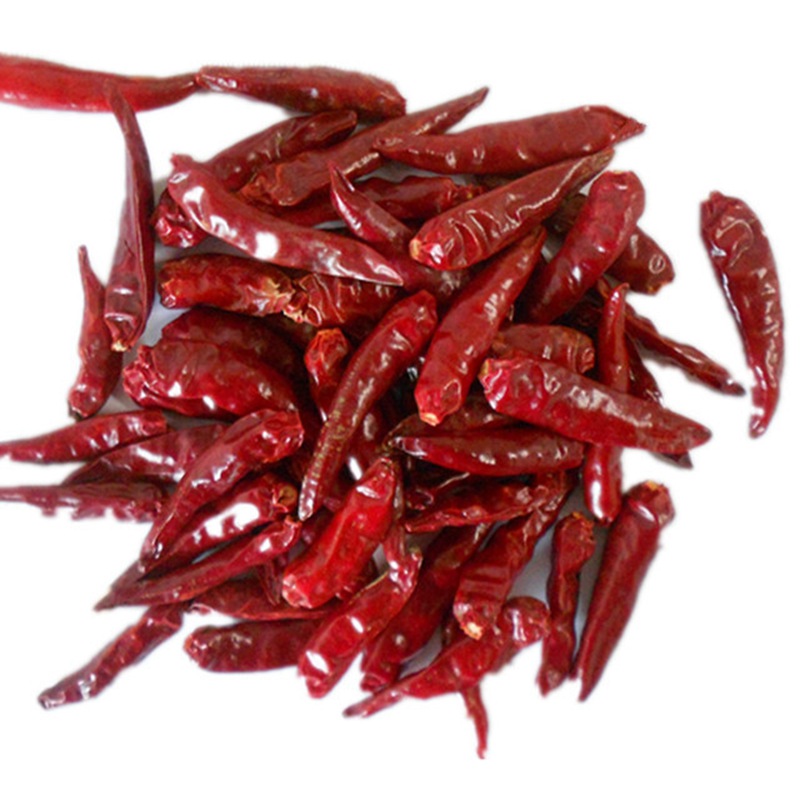
The early stage focused on raw agricultural production, where the primary value lay in the harvest of whole chilies and basic sun-drying methods.

Industrial Deep Processing
The shift toward specialized facilities allowed for the creation of diverse formats such as chili pepper crushed and refined oils, introducing standardized grading and hygiene controls.

Globalized Specification
Modern processing now integrates customized heat levels (SHU) and texture profiles to meet the specific regulatory and culinary needs of markets like Japan and Korea.

Future Sectoral Trends

1. Precision Heat Customization

Moving beyond general "hot" or "mild" to exact capsaicin measurements, allowing food scientists to create perfectly replicable flavor profiles.

2. Zero-Waste Processing

Utilizing all parts of the pepper, including seeds for oil extraction and stems for organic byproduct, reducing the environmental footprint of production.

3. Traceability Integration

Implementing digital tracking from the dedicated farm to the final shipment, ensuring full transparency for high-standard importers.

How technological advancements are reshaping the distribution of chili products in Japan.

Processing Automation
Adopting automated sorting and grinding to ensure uniform particle size for crushed chili products.
Data-Driven Sourcing
Using crop data to predict flavor intensity and maintain consistent heat levels across shipments.
Direct-to-Manufacturer
Reducing middle-layer distributors to ensure freshness and lower costs for large Japanese food firms.
Eco-Friendly Farming
Focusing on sustainable agricultural practices to meet the green procurement standards of global buyers.

Regional Outlook for Japan

Over the next few years, the Japanese market is expected to see a rise in "hybrid spices"—products that combine traditional Japanese flavors with global heat profiles. This will drive demand for highly specialized ingredients like sweet chili flakes which provide color and mild flavor without overwhelming the palate.

The integration of tighter food safety certifications will further separate premium deep-processing facilities from raw traders. For the Japan region, the ability to provide a consistent, audited supply of spice extracts and powders will be the primary competitive advantage for international suppliers.

Practical Applications in the Japanese Food Industry

How our processed chili products are integrated into diverse commercial culinary environments.

Industrial Sauce Production

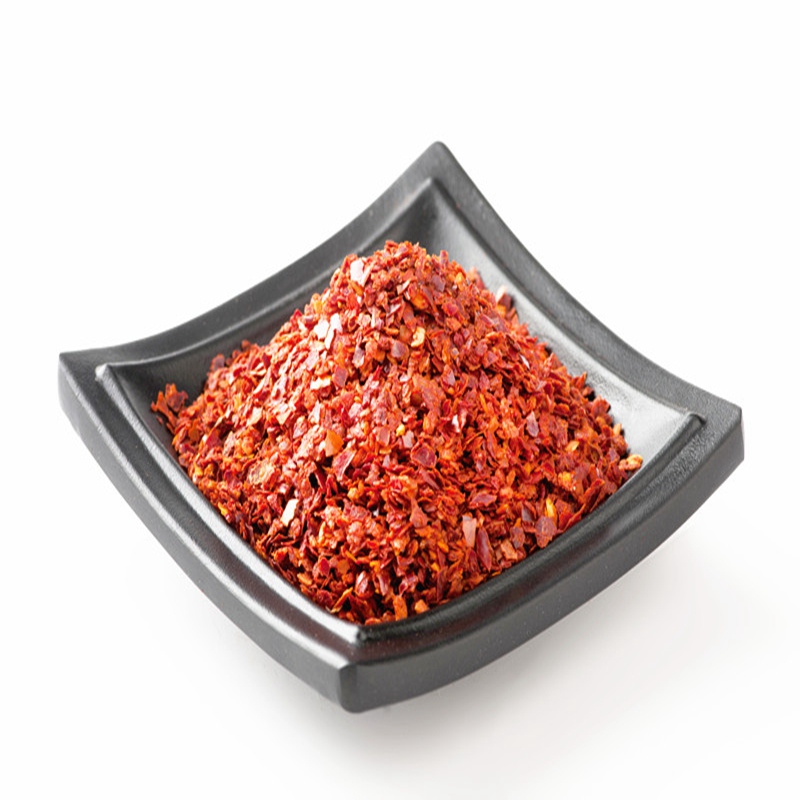
Large-scale condiment manufacturers utilize our uniform crushed chilli powder to maintain a consistent heat level across millions of units of spicy mayonnaise or dipping sauces.

Premium Snack Seasoning

Snack food companies employ paprika red pepper to achieve a vibrant red hue and savory base for potato chips and rice crackers.

Gourmet Oil Infusions

Artisanal food producers use our refined chili seed oil as a base for high-end infused oils, ensuring clarity, stability, and a clean heat profile.

Restaurant Chain Standardization

Quick-service restaurant groups use pre-measured sweet chili flakes to ensure taste consistency across hundreds of branches in Tokyo and Osaka.

Processed Meat Preservation

Sausage and cured meat manufacturers integrate chili extracts to provide both a preservative effect and a characteristic spicy kick tailored for the local market.

The Heritage of Xuri Food

Our journey from a local farm to a global leader in deep-processed chili solutions.

1996

Company Establishment

Longyao County Xuri Food Co., Ltd. was founded, beginning its focus on the deep processing of chili products.

Present

Global Market Expansion

Operating as a leading deep processing facility with a global footprint, serving markets in Japan, Korea, USA, and Europe through dedicated farm-to-table solutions.

Chili Sourcing FAQ for Japan

Essential answers regarding quality, logistics, and specifications for processed chili imports.

What makes deep-processed chili products superior for industrial use?

Deep processing ensures standardized particle size, precise heat levels, and the removal of impurities, which is critical for automated food production lines in Japan to avoid taste variations.

How do you ensure the stability of color in paprika red pepper?

We utilize controlled drying and processing temperatures in our facility to preserve the natural carotenoids, ensuring a vibrant red color that remains stable during the manufacturing process.

Why should Japanese distributors choose a supplier with their own dedicated farm?

Having a dedicated farm allows for total control over the cultivation process, ensuring no unauthorized additives are used and providing full traceability from seed to final product.

What are the typical procurement lead times for shipments to Japan?

Lead times vary based on order volume and product specification; however, our integrated processing and logistics network is optimized for efficient international transit to major Japanese ports.

Can you provide customized heat levels for crushed chilli powder?

Yes, our processing capabilities allow us to blend and select specific chili varieties to achieve the exact Scoville Heat Unit (SHU) requested by our food manufacturing clients.

How is chili seed oil processed for maximum purity?

Our oil is extracted using advanced deep-processing techniques that remove sediments and impurities, resulting in a clear, stable oil with a concentrated chili essence.

Secure Your Spice Supply Chain in Japan

Contact our team today to discuss customized specifications and bulk procurement options for your Japanese food production facility.

Request a Quote

If you are interested in our products, you can choose to leave your information here, and we will be in touch with you shortly.