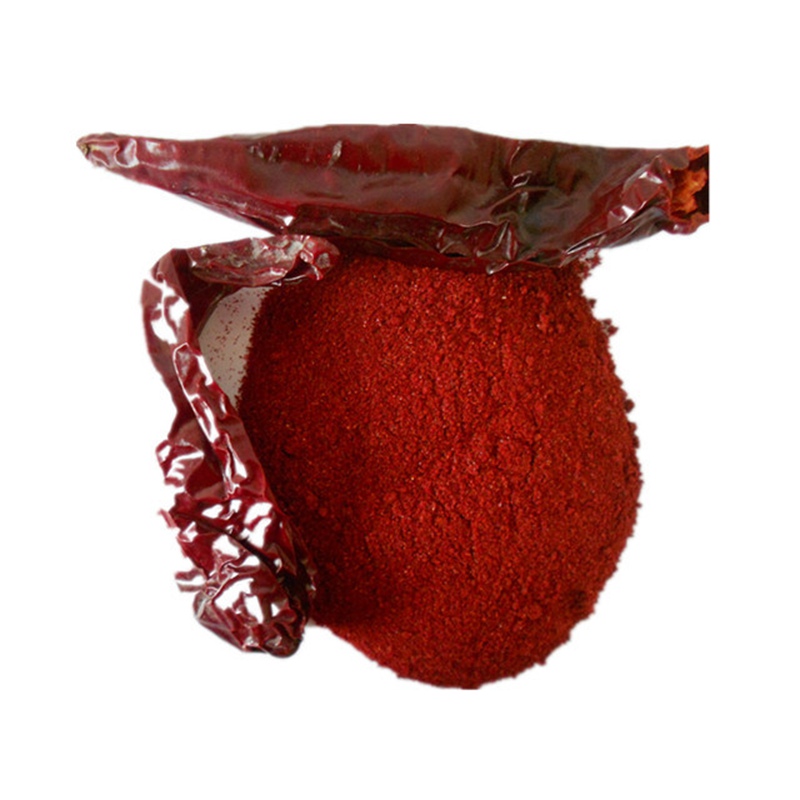
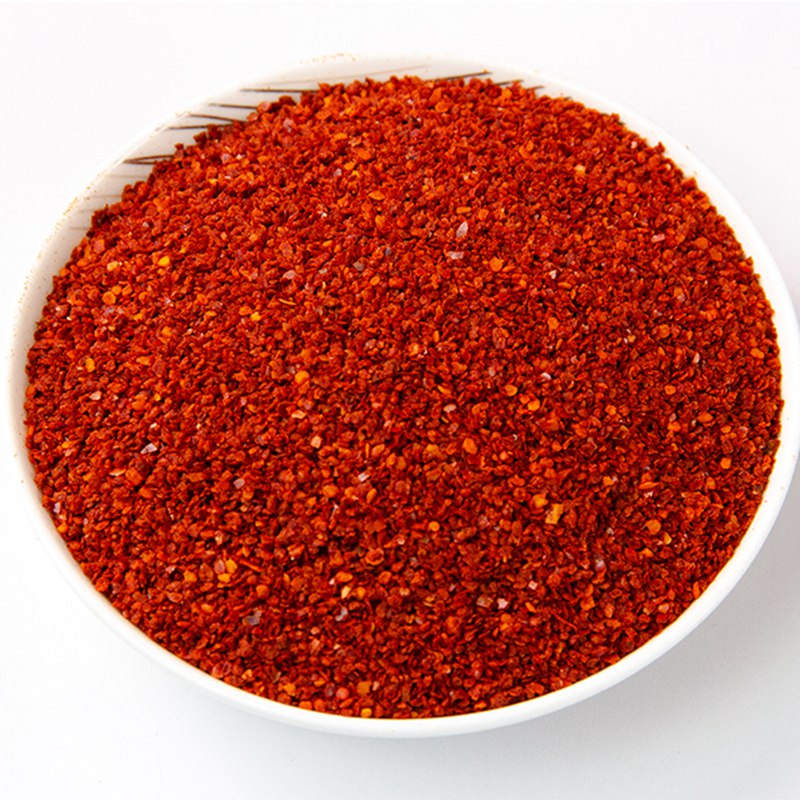
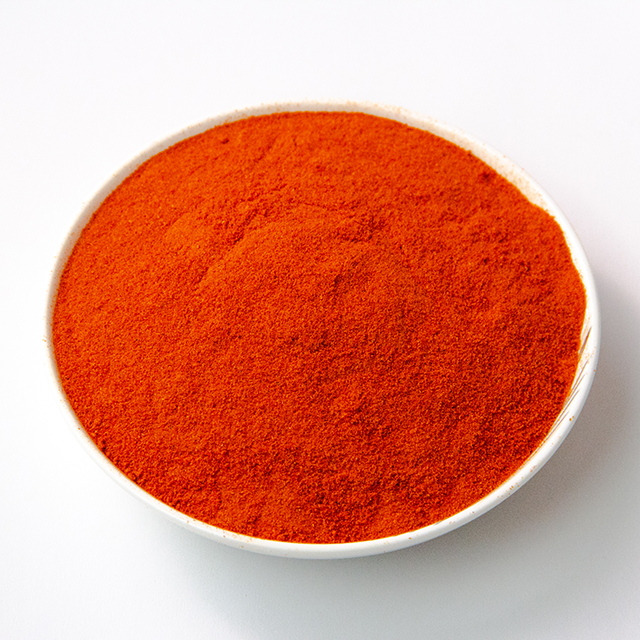
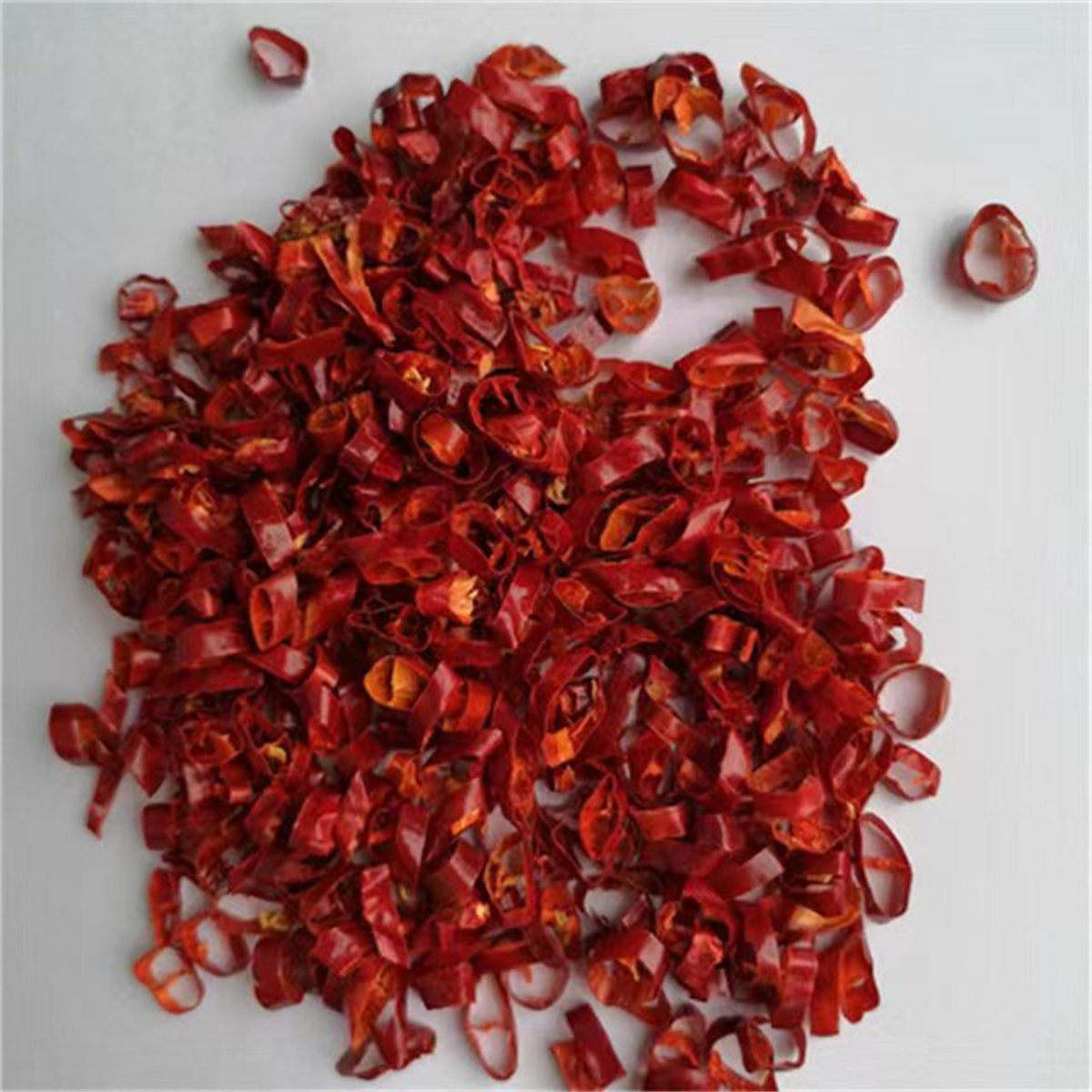
Papua New Guinea's spice market is characterized by a high reliance on imports for processed condiments. The extreme humidity and tropical rainforest climate pose significant challenges for the shelf-life of sweet chili flakes, requiring advanced moisture-barrier packaging and precise drying technologies to prevent clumping and mold.
Currently, the local food manufacturing sector is transitioning from artisanal grinding to mechanized processing. There is a growing demand for consistent heat levels and color stability in chili seed oil, as urban centers like Port Moresby see an increase in commercial food service and processed snack production.
Economic growth in the agricultural export sector has created a ripple effect, increasing the need for standardized industrial inputs. The adoption of crushed chilli powder in local food processing plants is rising, driven by the need for scalable flavor profiles that meet international food safety standards.