

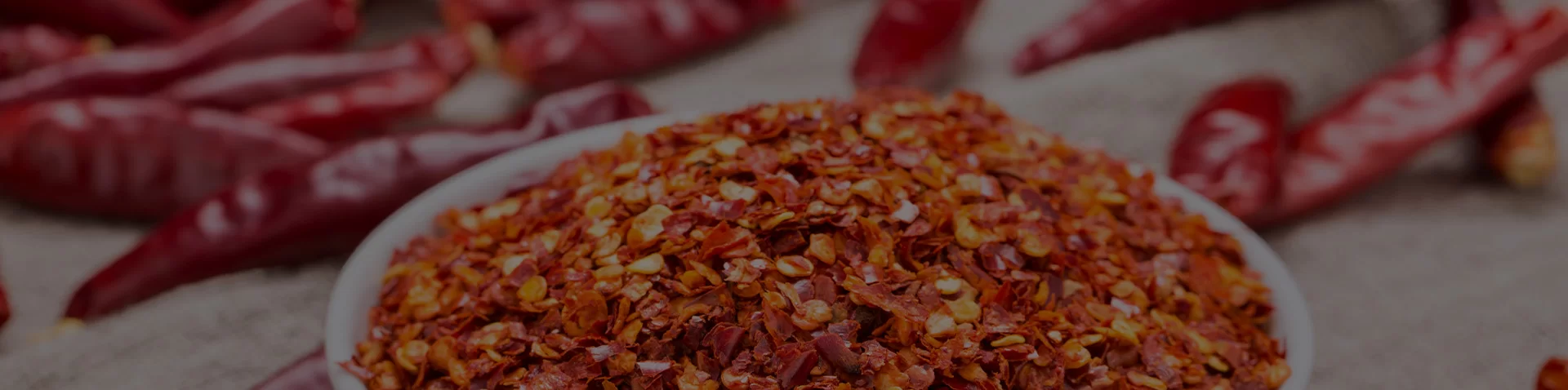
For food manufacturers and condiment brands, sourcing the right odm gochugaru ingredients is not merely about heat, but about achieving a precise balance of color, texture, and consistent pungency. As the global demand for Korean-style spices grows, the shift toward Original Design Manufacturing (ODM) allows brands to customize spice profiles without investing in their own deep-processing infrastructure.
The complexity of high-grade Gochugaru lies in the strict control of raw materials and the sterilization process. For a product to be viable in international markets, especially in Europe and North America, it must meet rigorous safety standards regarding aflatoxin and ochratoxin levels while maintaining the natural vibrant red hue that consumers expect.
Understanding the technical variables—from particle size to seed content—is critical for procurement officers who need to scale production without sacrificing the sensory experience of the final product. This guide examines the industrial standards for professional-grade chili ingredients.

Technical Specifications of Industrial Gochugaru

Industrial Gochugaru is defined by three primary technical pillars: pungency (measured in SHU), particle size (mesh/mm), and seed ratio. For professional ODM applications, a standard high-potency profile often centers around 10,000 SHU, providing a medium-to-high heat level that integrates well into sauces and fermented pastes.
Particle size varies depending on the intended application. Coarser cuts (3-5mm) are ideal for visual appeal in toppings or artisanal pickling, whereas finer powders (0.5-2mm) are preferred for industrial-grade blending where a smooth texture is required for homogeneity in large batches.
Customizable seed content is another critical ODM variable. Depending on the recipe, manufacturers may request a 50% seed content for traditional textures, or a completely deseeded version to reduce bitterness and focus purely on the capsaicin heat and color.
The Role of Sterilization in Spice Safety
In the global spice trade, sterilization is the dividing line between basic food grade and export grade. Traditional air-drying is often insufficient to eliminate pathogens or reduce mycotoxins to levels required by the EU and FDA.
Modern ODM facilities utilize microwave-assisted steam sterilization, which targets microorganisms at a molecular level without overheating the product. This prevents the degradation of the natural red pigment and maintains the pungency profile across thousands of tons of production.
Furthermore, strict controls on Aflatoxin (<5ug/kg) and Ochratoxin A (<20ug/kg) are mandatory for "Europe Grade" certifications. These measures ensure that the ingredients are Sudan Red free and safe for long-term consumption in highly regulated markets.
Strategic Applications in Food Manufacturing
The versatility of ODM Gochugaru allows it to transcend traditional Korean cuisine, finding a place in various high-volume food manufacturing sectors. In the processed meat industry, it is used to create signature profiles for artisan sausages and spicy deli meats where consistency is paramount.
In the condiment sector, these ingredients form the base of industrial-grade hot sauces and pizza sprinkles. The ability to adjust the seed and particle size ensures that the spice remains suspended in the sauce or adheres properly to a food surface without clumping.
Additionally, the fermentation industry relies on stable SHU levels to ensure that the microbial activity in fermented products remains predictable, as excessive or inconsistent heat can interfere with the fermentation kinetics of certain strains.
Analyzing Quality Benchmarks and Purity
When evaluating the performance of spice ingredients, procurement teams typically compare standard market grades against premium, certified ODM grades. The primary metrics include heat consistency, microbial load, and impurity levels.
Premium grade ingredients demonstrate significantly lower variance in SHU across different batches, which reduces the need for corrective blending at the end of the production line.
odm gochugaru ingredients Performance Metrics
The data suggests that while standard grades may offer lower initial costs, the reduction in waste and the increase in safety compliance make premium-grade, sterilized ingredients more cost-effective for high-volume industrial users.
Procurement Considerations for ODM Partnerships
Selecting an ODM partner for spice ingredients requires a deep dive into their supply chain transparency and certification portfolio. A reliable partner should provide full traceability from the farm to the final packaging.
Procurement managers should evaluate the minimum order quantity (MOQ) against their inventory turnover. For instance, an MOQ of 1,000kg allows mid-sized manufacturers to maintain freshness without overextending their warehouse capacity.
Logistics efficiency also plays a role. Optimized loading (e.g., 25MT per 40'FCL) and secure packaging in 25kg Kraft bags lined with plastic film are essential to prevent moisture contamination during transoceanic shipping.
Future Trends in Clean-Label Spice Processing
The spice industry is likely to see a stronger push toward "Clean Label" ingredients, where the focus shifts from artificial preservatives to advanced mechanical sterilization. This trend is driven by consumer demand for transparency in ingredient lists.
Automation in sorting and cutting is expected to further refine particle size precision, allowing for even more granular customization in ODM requests. We may see the emergence of "precision heat" batches tailored to specific regional palate preferences.
Sustainability in farming, including the reduction of pesticides and the implementation of regenerative agriculture for chili pods, will likely become a key competitive advantage for top-tier spice processors in the coming years.
Evaluating Gochugaru Grade and Specification Fit
Choosing the right specification depends entirely on the final product's texture and heat requirements. A mismatch in particle size can lead to uneven distribution in a sauce, while inconsistent SHU can change the flavor profile of a batch.
The following table compares different technical approaches to spice selection based on common industrial needs.
| Application Type | Recommended Particle Size | Seed Content Strategy | Critical Success Factor |
|---|---|---|---|
| Artisan Sauces | 0.5-2MM (Fine) | Deseeded | Homogeneity |
| Dry Rubs/Sprinkles | 2-4MM (Medium) | 30-40% Seed | Visual Texture |
| Traditional Kimchi | 3-5MM (Coarse) | 50% Seed | Authenticity |
| Industrial Pastes | 0.5-2MM (Fine) | Deseeded | Stability |
| Snack Seasoning | Fine Powder | Deseeded | Adhesion |
| Pickling Spices | 3-5MM (Coarse) | Customizable | Aroma Release |
By aligning the specification with the application, manufacturers can optimize both the cost and the sensory quality of their products. For those evaluating these options, detailed product profiles are available through www.xurichili.com.
Frequently Asked Questions
Conclusion
Sourcing high-quality odm gochugaru ingredients requires a strategic focus on the intersection of technical specifications and safety certifications. By prioritizing sterilized, certified, and customizable spice profiles, food manufacturers can ensure that their products remain consistent and compliant across diverse global markets.
As the industry moves toward higher transparency and cleaner processing, the partnership between brand owners and deep-processing experts becomes the key to innovation. For those seeking to elevate their spice blends with professional-grade standards, further technical details and product options can be explored at www.xurichili.com.


