

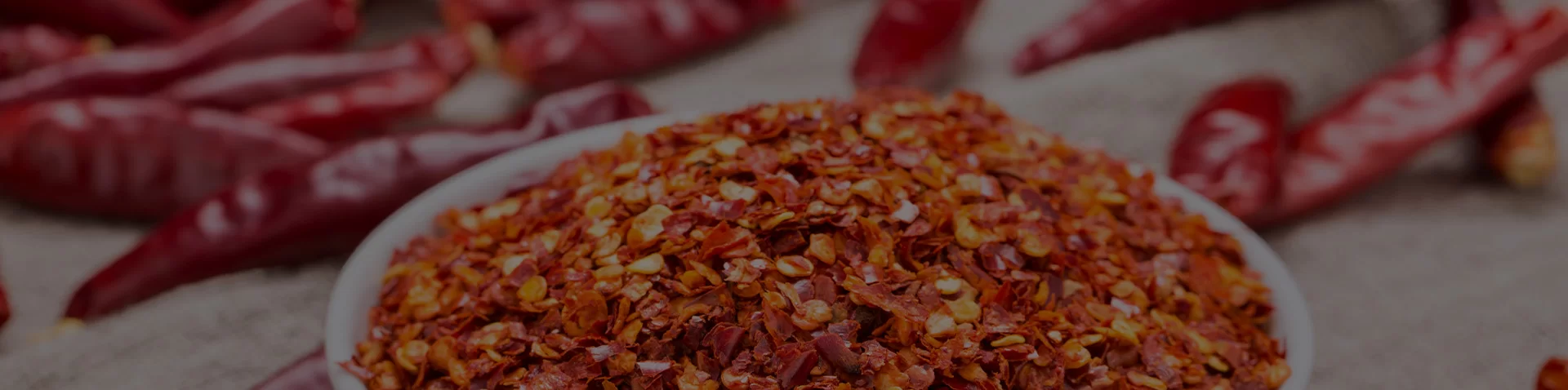
Premium Quality odm super hot dried chili crush for OEM Sourcing
Lorem ipsum dolor sit amet, consectetur adipisicing elit,
Finding the right balance between intense heat and aromatic depth is a persistent challenge for food manufacturers and global spice distributors. While many crushed chili products offer one-dimensional spiciness, the industry is shifting toward ingredients that provide a complex sensory profile without sacrificing consistency.
The demand for high-quality, customized spice blends has led to a rise in specialized sourcing, where the origin of the crop and the precision of the processing determine the final product's marketability. Whether it is for gourmet condiments or industrial food production, the specifications of the raw material dictate the stability of the flavor.
In this analysis, we examine the critical factors involved in sourcing an odm super hot dried chili crush, focusing on how processing techniques and cultivar selection impact the overall quality and scalability of a spice supply chain.


The geographical origin of a chili significantly influences its chemical composition, specifically the concentration of capsaicin and essential oils. For instance, chilies harvested from the nutrient-rich soils of Shanxi and Inner Mongolia often exhibit a more robust, smoky depth compared to those from tropical regions.
The Yidu chili, specifically, bridges the gap between Asian heat and international preferences. Its profile mirrors the Mexican Jalapeño in size and flavor, making it an ideal base for an odm super hot dried chili crush intended for Western markets.
Achieving a uniform "crush" requires more than simple grinding; it involves precise mechanical calibration to ensure consistent particle size. This prevents "hot spots" in the final food product, where concentrated pockets of spice can overwhelm the consumer's palate.
Stem removal is another critical technical hurdle. Manual sorting is often inconsistent and slow. The use of industrial-grade machine stem removal ensures a clean product, reducing organic impurities and improving the purity levels required for certifications like BRC and FDA.
Moisture control is the final pillar of processing. Maintaining a maximum moisture level of 20% is essential to prevent microbial growth and mold during long-distance shipping. This stability is particularly vital for products destined for humid climates in Southeast Asia or temperate zones in North America.
For distributors managing high volumes, the risk of batch-to-batch variation is the primary concern. When sourcing from deep processing facilities, the integration of ISO22000 and HACCP standards provides a baseline for food safety, but sensory consistency requires more rigorous internal auditing.
The transition from standard dried chilies to premium cultivars is marked by a shift from one-dimensional heat to a complex interplay of smoky, sweet, and spicy notes, which significantly increases the product's versatility across different culinary applications.
Companies like Longyao County Xuri Food Co., Ltd. manage this consistency by controlling the supply chain from the farm level. Direct sourcing from Shanxi and Northeast China allows for the selection of pods that meet strict color and heat specifications before they even enter the processing plant.
Evaluating a spice's suitability for a specific market requires a quantitative approach to sensory attributes. The Scoville Heat Unit (SHU) is the primary metric, but flavor depth, color uniformity, and aroma intensity are equally critical for high-end OEM brands.
The following index illustrates the relative strengths of premium Yidu chili crush compared to standard industrial-grade dried chili products across key quality dimensions.
The versatility of a medium-spicy crush (3,000 - 5,000 SHU) allows it to be integrated into a wide array of products. In a typical industrial setting, this material is used for seasoning blends in the snack food industry, where a consistent "kick" is required without overpowering other flavors.
For gourmet distributors, the dark red hue and Jalapeño-like profile make it suitable for artisanal hot sauces and dry rubs. Because it is processed without artificial dyes, it meets the "clean label" requirements that are increasingly demanded by consumers in Germany, Canada, and the USA.
The spice industry is facing stricter scrutiny regarding artificial additives. Historically, Sudan Red was sometimes used to enhance the color of chili powders, but global food safety standards now strictly forbid such substances. This has shifted the value toward naturally ripening processes.
Sun-drying is seeing a resurgence in premium segments. While industrial dehydrators are faster, traditional sun-drying helps preserve natural essential oils and intensifies the authentic aromatic qualities of the chili, which is a key selling point for high-end odm super hot dried chili crush.
Consequently, the ability to provide certifications like HALAL and BRC, alongside laboratory proof of "Non-added Sudan Red," has become a non-negotiable requirement for entering the European and North American markets.
When selecting an OEM partner for chili products, distributors must weigh the trade-off between cost and consistency. Low-cost options often suffer from inconsistent color and high moisture levels, which can lead to spoilage or flavor drift during the product's shelf life.
A professional evaluation should focus on the facility's capacity to handle customized heat levels and their logistics capabilities. For example, a monthly capacity of 100MT ensures that a manufacturer can scale with the distributor's growth without compromising on quality.
The following table provides a comparative framework for evaluating standard versus premium chili crush options based on industrial requirements.
| Evaluation Factor | Standard Dried Chili | Premium Yidu Chili | Industrial Impact |
|---|---|---|---|
| Flavor Profile | Simple Heat | Smoky & Sweet | End-product Complexity |
| Color Quality | Variable Red | Uniform Deep Red | Visual Consistency |
| Processing | Manual Sorting | Machine Stem Removal | Purity & Cleanliness |
| Compliance | Local Standards | FDA, BRC, HALAL | Export Eligibility |
| Market Versatility | Niche/Local | Global Appeal | Target Audience Reach |
| Moisture Level | Fluctuating | Max 20% Controlled | Shelf-life Stability |
A premium crushed chili is defined by three main factors: origin consistency, processing precision, and certification. Unlike standard products, premium options like Yidu chili offer a complex flavor profile (smoky and sweet) rather than just raw heat. Technically, this includes machine-removed stems to ensure purity and strict moisture control (max 20%) to ensure long-term stability and safety during international transit.
Yidu chili typically ranges between 3,000 and 5,000 SHU, which is categorized as mild to medium spicy. This range is highly strategic for OEM manufacturers because it is palatable for a broad global consumer base. It provides enough heat to be noticed but does not overwhelm the other ingredients, making it ideal for everything from snack seasonings to gourmet sauces and processed meats.
Sudan Red is an artificial dye that can be carcinogenic and is strictly prohibited in food products across the EU, USA, and many other regions. For spice distributors, sourcing from a facility that guarantees 100% natural coloration through ripening and sun-drying is essential to avoid costly shipment rejections, legal penalties, and brand damage. Natural deep red color is a hallmark of high-quality Yidu chili.
Yes, if the cultivar has a versatile profile. The Yidu chili is an excellent example because its size and flavor characteristics are remarkably similar to the Mexican Jalapeño. This allows it to fit seamlessly into both traditional Chinese spice blends and international recipes, reducing the need for distributors to source multiple different species for different regional markets.
Compressed PP bags (typically 10kg or 25kg) are designed to maximize loading efficiency in containers, such as 40' RF containers, while protecting the product from external moisture and contamination. Compression reduces the volume of the crushed chili, allowing for higher tonnage per shipment (e.g., 25MT), which lowers the landed cost per unit for the distributor.
A strong R&D capability means the manufacturer can customize heat levels (SHU), particle size (crush vs. powder), and moisture specifications to meet a client's exact formula. Buyers should look for facilities that integrate their own farms with advanced processing equipment, as this vertical integration allows for better control over the raw material and more precise customization of the final spice product.
The selection of an odm super hot dried chili crush is a decision that impacts the sensory identity and safety profile of a final food product. By prioritizing cultivars like the Yidu chili and insisting on machine-driven processing and global safety certifications, manufacturers can ensure a stable, high-quality supply chain.
As the market moves toward clean labels and complex flavor profiles, the ability to source natural, consistent, and versatile spice components will be the primary differentiator for successful global spice distributors.


