Chili Powder, Chili Pods, Chili Flakes Production Process
Chili-based products are among the most important spices traded worldwide, widely used in household cooking, food manufacturing, and catering industries. Among all chili forms, chili powder, chili pods, and chili flakes are the most common and commercially significant products. Although they are derived from the same raw chili peppers, their production processes differ greatly in terms of processing steps, equipment, quality control, and final applications.
Understanding the complete production process of chili pods, chili flakes, and chili powder helps buyers, importers, and food manufacturers evaluate product quality, consistency, and safety.
The quality of chili pods, chili flakes, and chili powder begins with the careful selection of raw chili peppers. Commonly used varieties include cayenne chili, paprika chili, bird’s eye chili, and regional hybrid chilies, each chosen for specific characteristics such as color intensity, heat level, and aroma.
Key factors considered during raw material selection include:
Full maturity and uniform red color
Stable capsaicin content to ensure consistent pungency
High pigment value (ASTA) for bright appearance
Absence of mold, insect damage, or foreign matter
Compliance with pesticide residue limits
Only high-quality fresh chilies that meet food-grade standards are accepted for further processing.
Harvesting and Pre-Cleaning of Chili Pods
The production of chili pods starts at the harvesting stage. Chilies are harvested when they reach optimal maturity, either manually or using mechanical harvesters. After harvesting, fresh chilies undergo pre-cleaning to remove soil, leaves, and other impurities.
Sorting at this stage helps eliminate underripe, broken, or damaged peppers, ensuring uniformity in the final dried chili pods.
Drying Technology Used for Chili Pods
Drying is the most critical step in the chili pods production process. The primary goal is to reduce moisture content from around 70–80% in fresh chilies to below 10–12% in dried chili pods.
Common drying methods include:
Sun drying, which is traditional but weather-dependent
Hot air drying, offering controlled temperature and humidity
Tunnel or conveyor drying, suitable for large-scale industrial production
Proper drying preserves the natural red color, aroma, and heat of the chilies while preventing microbial growth.
Sorting, Grading, and Packaging of Chili Pods
Once dried, chili pods are sorted again based on size, color, and appearance. Metal detection and visual inspection are performed to ensure food safety. Finished chili pods are packed in moisture-resistant bags or cartons, ready for export or further processing into chili flakes or chili powder.
Stem Removal and Seed Control for Chili Flakes
Before producing chili flakes, dried chili pods undergo stem removal. Depending on customer requirements, seeds may be partially removed to adjust the pungency level. This step plays a crucial role in determining the final heat and texture of chili flakes.
Crushing and Cutting Chili Pods into Chili Flakes
The cleaned chili pods are crushed using specialized cutting and crushing machines. The objective is to produce coarse, evenly sized flakes without excessive powder formation.
Advanced crushing equipment helps:
Maintain consistent flake size
Minimize heat generation during processing
Preserve chili aroma and color
Sieving and Size Classification of Chili Flakes
After crushing, chili flakes are passed through vibrating sieves to separate different size grades. Customers may require coarse chili flakes for toppings, medium flakes for seasoning blends, or customized sizes for industrial use.
Quality Control for Chili Flakes
Quality checks for chili flakes typically include:
Moisture conten testing
Color value (ASTA) measurement
Pungency analysis (SHU)
Microbiological testing
Only batches that meet specifications proceed to final packaging.
Grinding Chili Flakes into Chili Powder
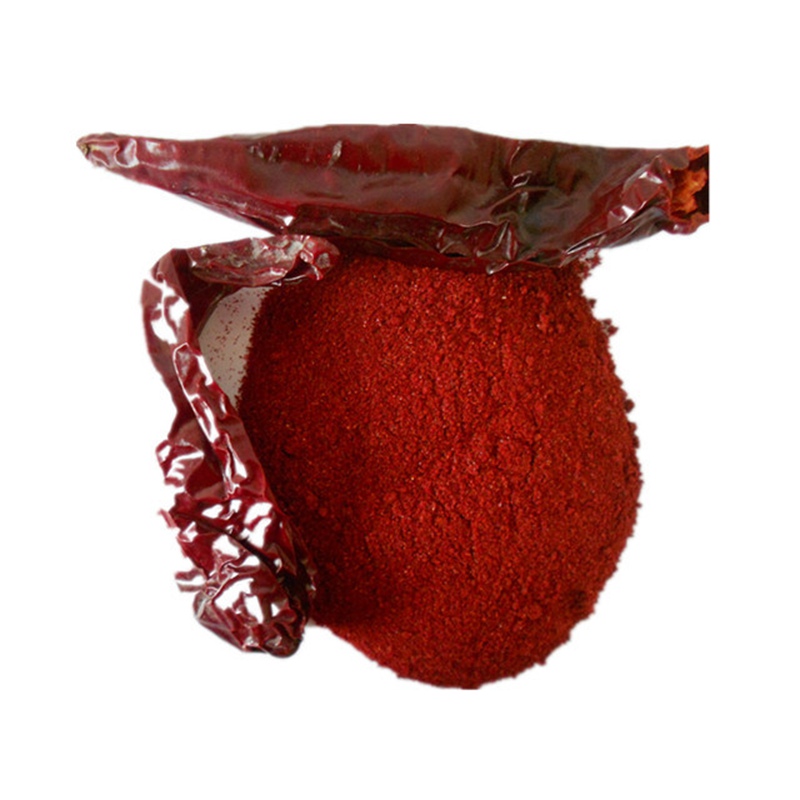
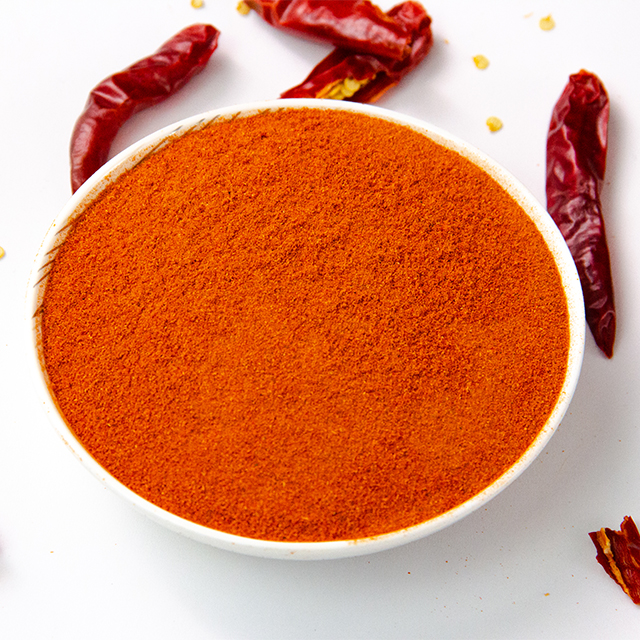
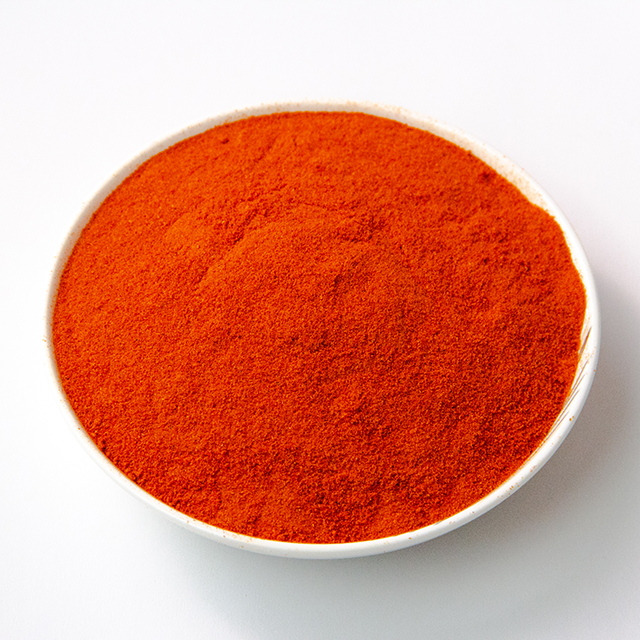
The production of chili powder involves grinding chili flakes or dried chili pods into fine powder. To protect flavor and color, manufacturers often use low-temperature or cryogenic grinding systems.
These grinding methods:
Prevent oil oxidation
Preserve volatile aroma compounds
Maintain vibrant red color
Blending and Standardization of Chili Powder
To ensure consistent quality, chili powder is often blended using different chili varieties or batches. This allows manufacturers to control color, heat level, and flavor profile according to customer requirements.
Customized chili powder formulations may include:
Mild, medium, or hot chili powder
Seedless or low-seed chili powder
Specific color and aroma standards
Sterilization and Fine Sieving of Chili Powder
To meet international food safety regulations, chili powder may undergo steam sterilization or other microbial reduction treatments. Fine sieving ensures uniform particle size before the product passes through metal detection systems.
Strict hygiene management is essential throughout the production of chili powder, chili pods, and chili flakes. Modern processing facilities implement:
HACCP-based production controls
ISO 22000 food safety management systems
Full traceability from raw material to finished product
Regular sanitation of equipment and controlled processing environments help prevent contamination and ensure export compliance.
Packaging plays a vital role in preserving product quality during transportation and storage. Depending on customer needs, chili products can be packed in:
Kraft paper bags with inner PE liners
Aluminum foil bags for enhanced protection
Vacuum or nitrogen-flushed packaging
Proper packaging helps protect chili powder, chili flakes, and chili pods from moisture, light, and oxygen.
Chili products should be stored in cool, dry conditions away from direct sunlight. When stored correctly, chili pods, chili flakes, and chili powder can maintain stable quality for 12–24 months, depending on moisture content and packaging method.
Different chili products serve different applications:
Chili pods are widely used for further processing, decoration, and traditional cooking
Chili flakes are popular in pizza, sauces, marinades, and seasoning blends
Chili powder is extensively used in snacks, instant foods, meat products, and sauces
Understanding these differences helps buyers select the most suitable product.
Although chili pods, chili flakes, and chili powder originate from the same chili peppers, their production processes differ significantly. From careful raw material selection and drying to crushing, grinding, and strict quality control, every step influences the final product’s quality, flavor, and safety.
For global buyers and food manufacturers, a clear understanding of the chili production process is essential when choosing reliable suppliers and ensuring consistent product performance in the market.
We are dedicated to bringing the purest, safest, and most flavorful experience to your kitchen. Our specialized product line is extensive, covering everything from intensely flavored chili powder and chili flakes to mellow sweet paprika powder, whole chili pods, and aromatic chili seed oil