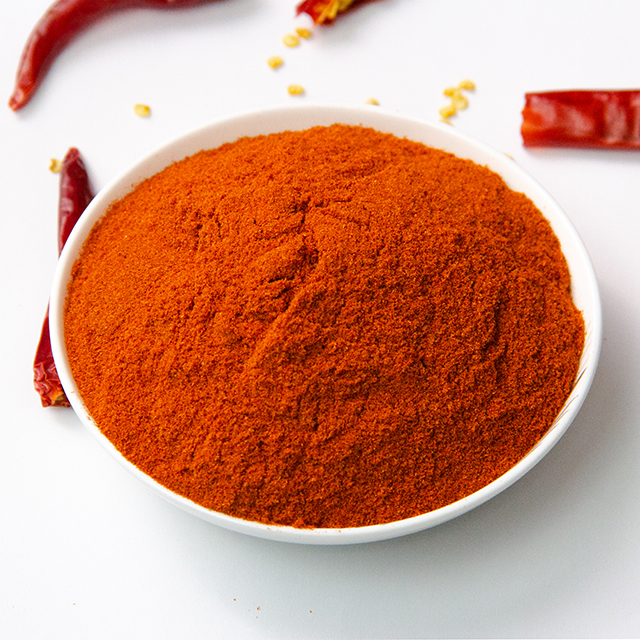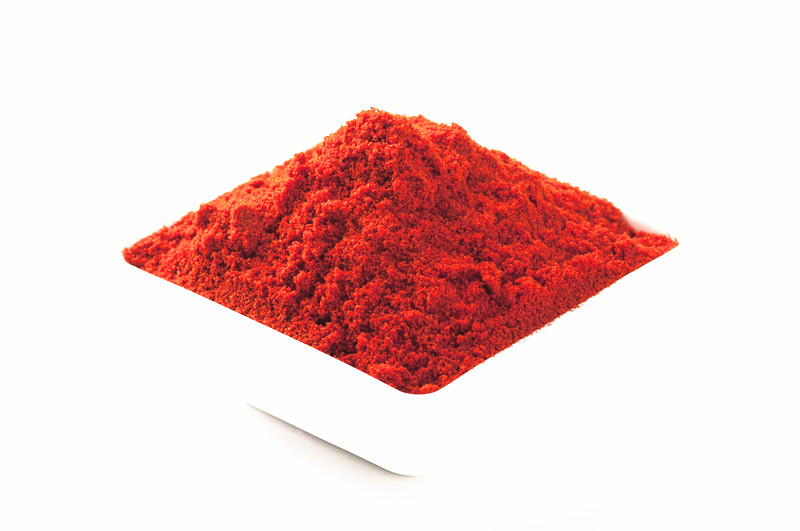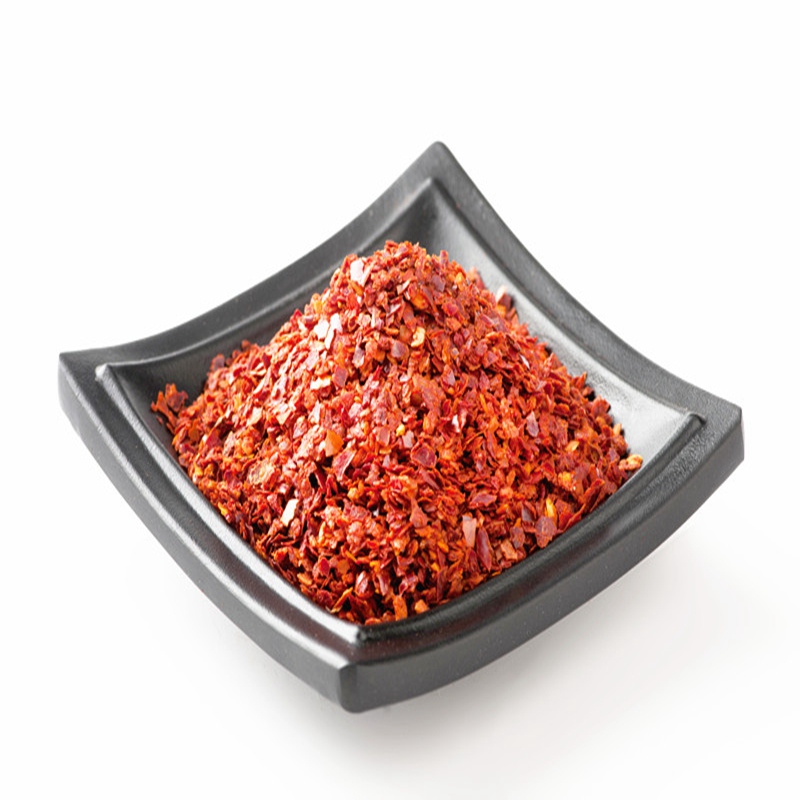



Spice Supply Ethiopia Premium Chili Processing Solutions for the Ethiopian Food Industry
Lorem ipsum dolor sit amet, consectetur adipisicing elit,
Direct sourcing of processed chili products designed to meet the rigorous demands of food manufacturing and spice blending.


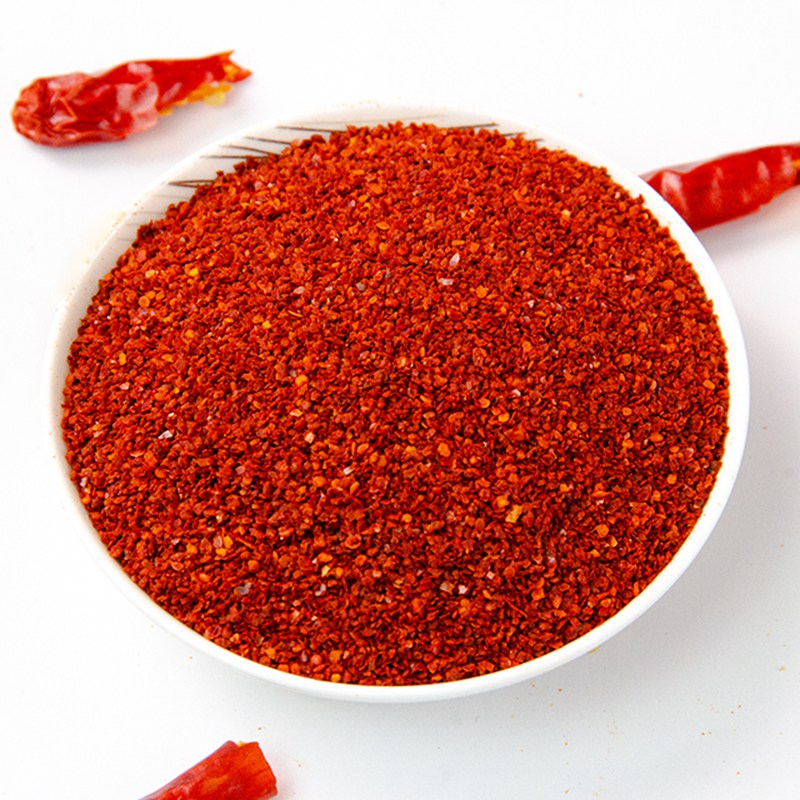
Bridging the gap between raw agricultural output and industrial-grade spice refinement.
The Ethiopian food sector relies heavily on bold, spicy profiles. However, many local manufacturers struggle with the inconsistency of raw chili processing, leading to variances in heat levels and color stability in final products. There is a growing need for standardized crushed chilli powder that can be integrated into large-scale production lines without compromising taste uniformity.
Furthermore, the rise of processed food snacks and condiments in urban centers like Addis Ababa has increased the demand for specialized ingredients. Procurement managers are now seeking suppliers who can provide consistent paprika red pepper to ensure the visual appeal and flavor profile of their products remain stable across different batches.
For Ethiopian importers and food factories, this shift means a transition from buying raw produce to investing in deep-processed chili solutions. By utilizing refined products, businesses can reduce waste during the cleaning and grinding phases and ensure their products meet international hygiene and quality benchmarks.
From traditional grinding to industrial precision.
Reliance on local sun-drying and manual mortar grinding, resulting in high impurity levels and inconsistent heat.
Adoption of industrial milling and screening to produce standardized flakes and powders for early food processors.
Focus on specialized derivatives like oil extraction and precision-cut chilies for high-end culinary and industrial use.
Buyers are moving away from "bulk" chili toward specific Scoville heat units to ensure recipe consistency.
Increased scrutiny on aflatoxins and impurities, driving demand for professionally processed powders.
Rising interest in chili seed oil for industrial frying and seasoning applications.
Strategic directions for Ethiopian buyers.
Reducing reliance on seasonal fluctuations through long-term partnerships with established processing facilities.
Demand for specific mesh sizes in chili pepper crushed to suit different food textures.
Increasing preference for pure chili products without artificial colors or anti-caking agents.
Exploration of oil-based spice extracts to enhance the efficiency of industrial seasoning.
As the Ethiopian food industry scales, the ability to maintain flavor consistency becomes a competitive advantage. Companies that integrate high-quality processed spices into their formulation can reduce production errors and improve the shelf-life of their products.
Procurement teams are advised to evaluate suppliers based on their ability to provide technical specifications for each batch, ensuring that the capsaicin levels and moisture content align with their specific industrial requirements.
Practical use cases for deep-processed chilies.
Local hot sauce producers using sweet chili flakes to create a balanced heat profile and textured consistency in bottled sauces.
Savory snack factories applying crushed chili powder as a coating for extruded corn puffs, requiring fine particle size for uniform adherence.
Bakery chains incorporating paprika red pepper into savory breads and pastries for a distinct reddish hue and mild pepper aroma.
Sausage and cured meat producers using precision-cut chilies to ensure evenly distributed spice throughout the protein matrix.
Wholesalers in regional markets providing pre-packaged, professionally cleaned chili seed oil and powders to small-scale eateries, ensuring food safety.
Decades of expertise in chili deep processing.
Longyao County Xuri Food Co., Ltd. was established with a focus on specializing in chili deep processing, integrating its own dedicated farm for quality control.
Developed a wide range of premium products including gochugaru, sweet paprika, and various crushed and powdered chili solutions to serve a global market.
Expanded reach to Japan, Korea, Germany, USA, Canada, Australia, and New Zealand, building strong partnerships with distributors and trading companies.
Exploring the full range of processed pepper products for food manufacturers and spice enthusiasts.
Technical and commercial guidance.
Connect with our experts to find the perfect chili processing solutions tailored for the Africa - Ethiopia food manufacturing market. Let us help you achieve consistency and quality in every batch.
Discuss Your Requirements