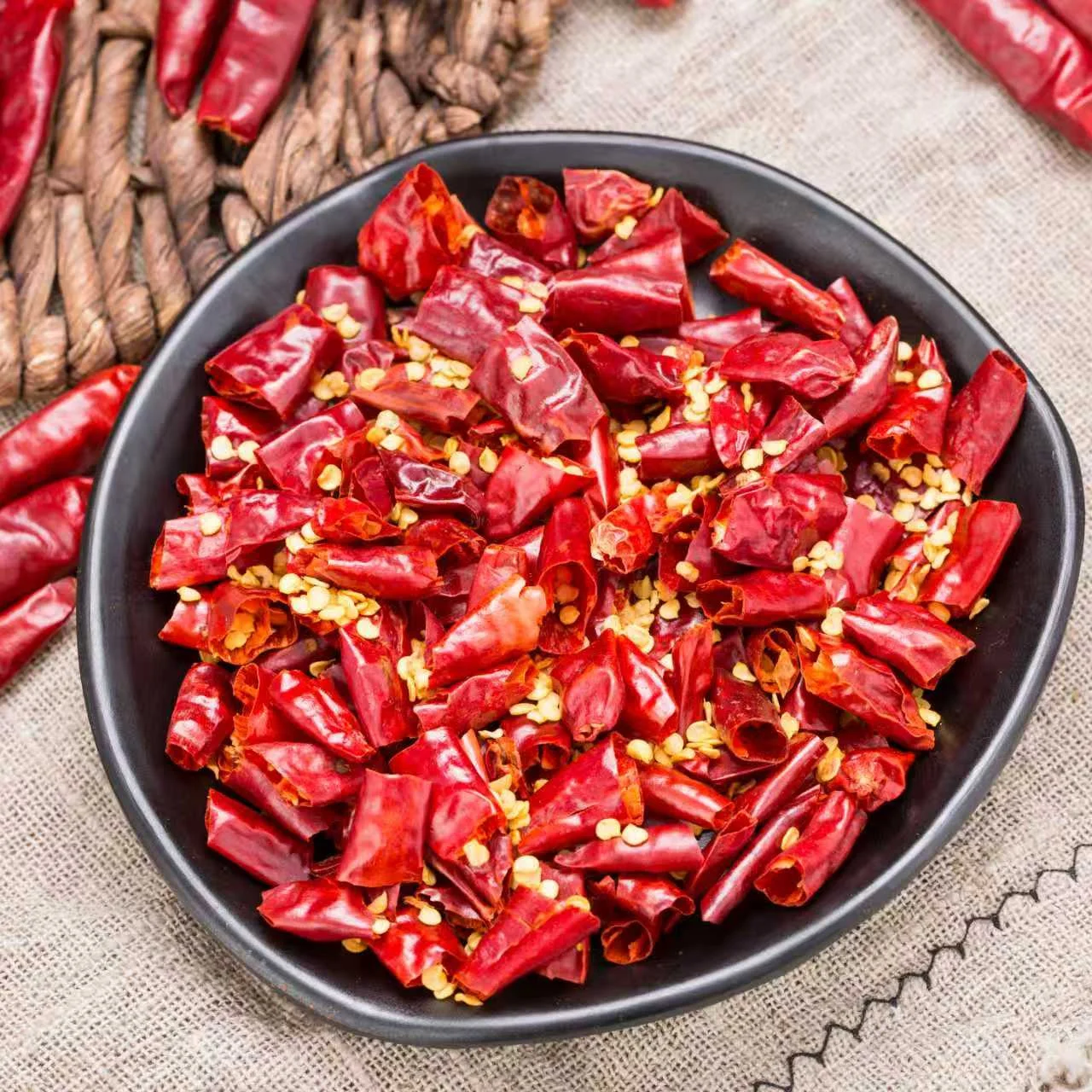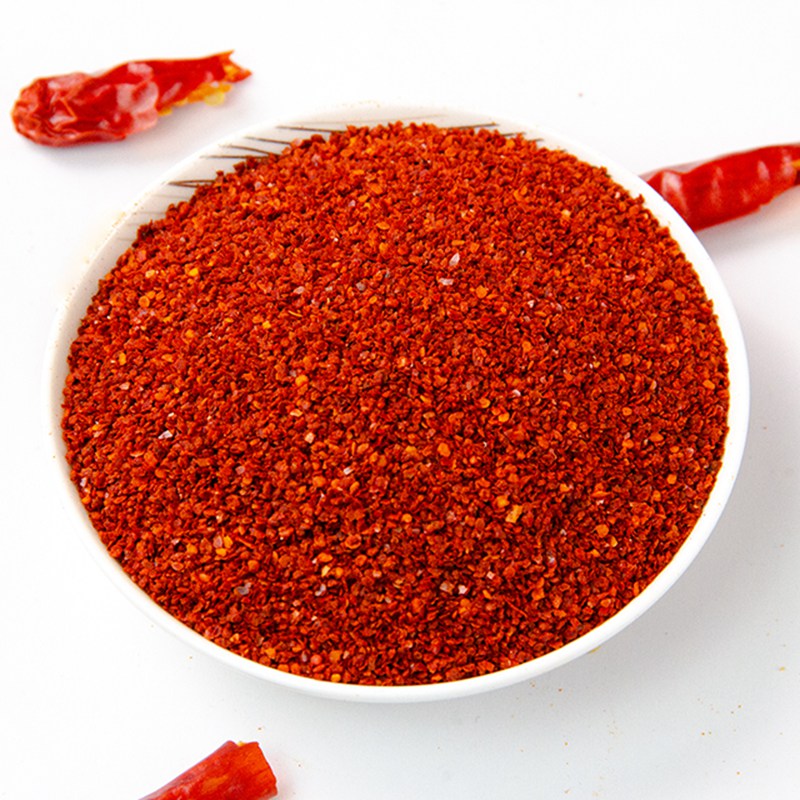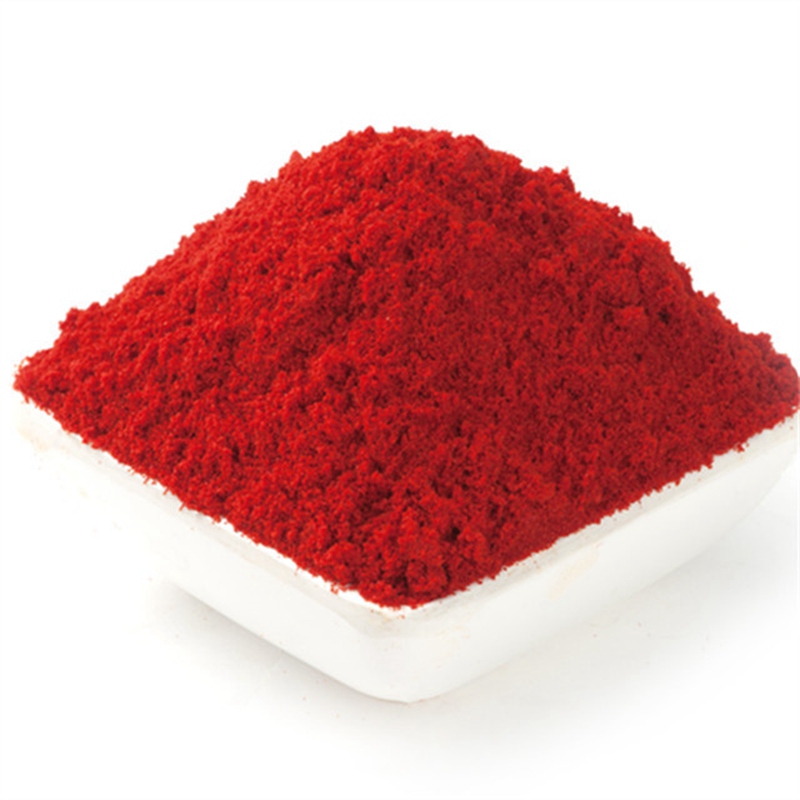
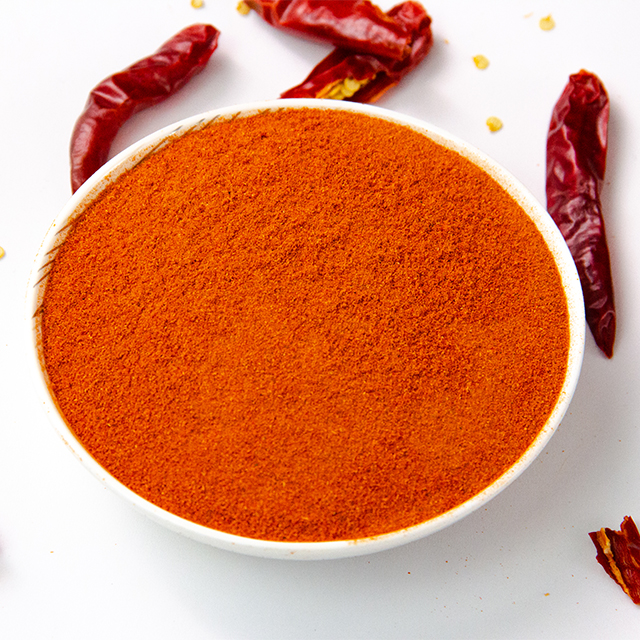
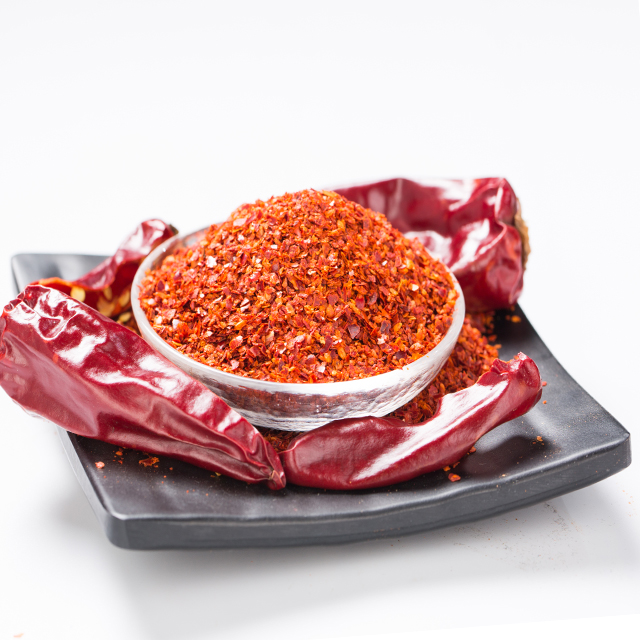
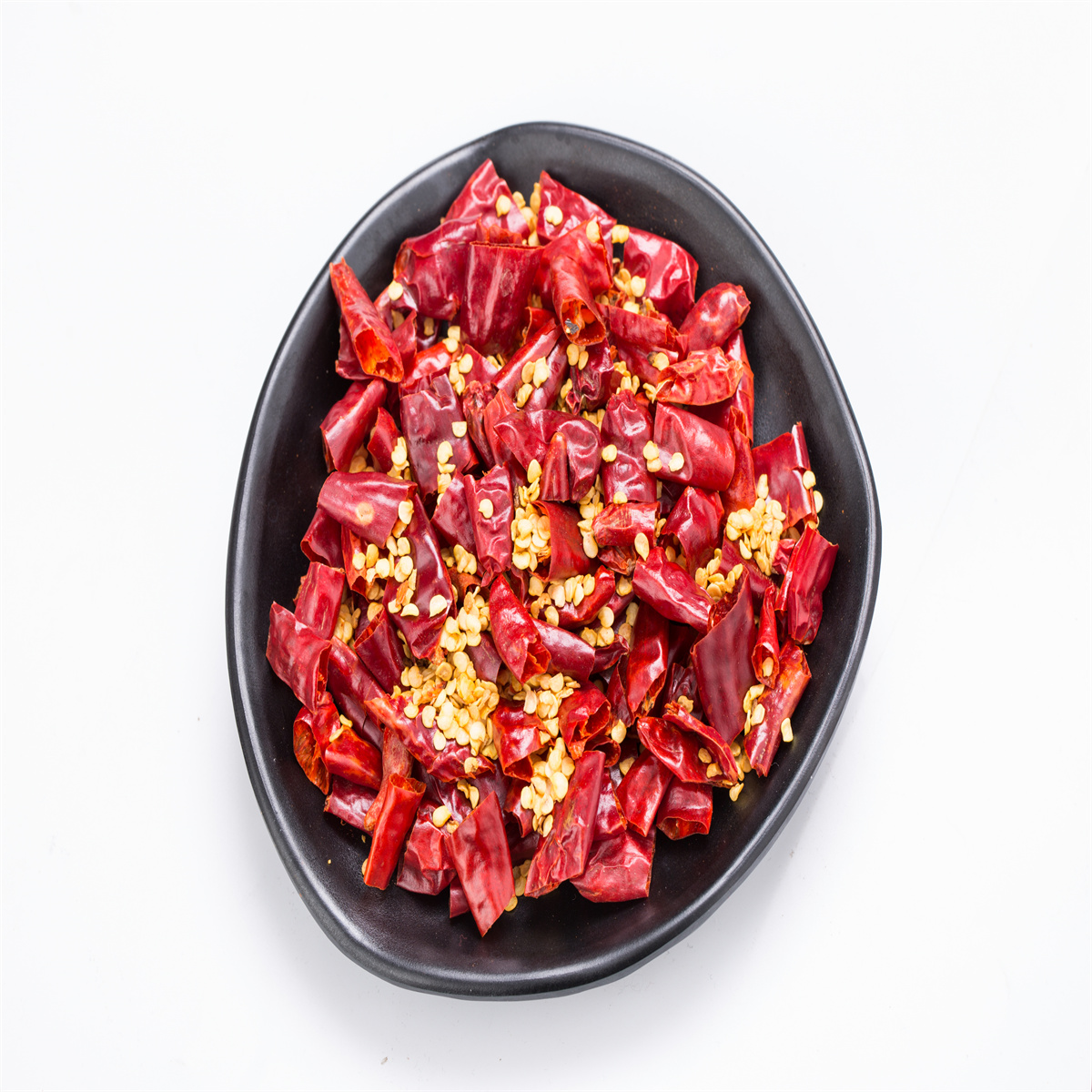
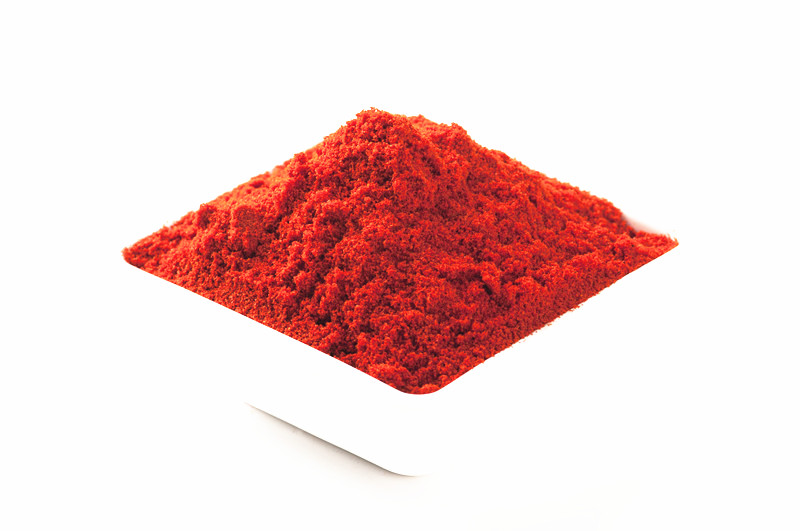
Ethiopia's spice market is deeply rooted in the cultural significance of heat, where the demand for crushed chilli powder is driven by both domestic consumption and the growing food processing sector. However, local production often struggles with standardization, as climate variations in the highlands affect the capsaicin levels and color consistency of the harvest.
The rise of urban centers like Addis Ababa has led to an increased demand for processed condiments, creating a gap for high-quality chili pepper crushed products that meet international safety standards. Currently, many manufacturers rely on fragmented supply chains, leading to volatility in price and quality.
Furthermore, the industrial application of chili seed oil is emerging in the snack food industry, where Ethiopian entrepreneurs are looking for stable lipid-based heat carriers to replace traditional slow-rendering methods, seeking a balance between traditional taste and industrial efficiency.