



Regional Analysis
The Chili Processing Landscape in Cambodia
Understanding the intersection of traditional consumption and industrial demand.
Cambodia possesses a deeply rooted culinary culture where chili is a fundamental ingredient. The market is characterized by a mix of traditional wet markets and a rapidly expanding industrial food sector. Currently, the infrastructure for deep processing within Cambodia is still evolving, leaving a significant gap for high-consistency, industrial-grade spices. Most local processors rely on primary drying, which often fails to meet the rigorous stability and purity requirements needed for large-scale food manufacturing and international export standards.
Current market trends show a shift toward processed convenience foods and specialized condiments. This transition is driving a surge in demand for standardized ingredients like sweet chili flakes and specialized oils. There is an increasing preference for "clean label" ingredients, where food companies seek suppliers who can prove the absence of artificial dyes and preservatives. Consequently, the market is moving away from generic bulk sourcing toward strategic partnerships with specialized deep-processing facilities that can guarantee specification adherence.
The primary opportunity in the Cambodian spice market lies in the professionalization of the supply chain. As the local hospitality and food processing industries mature, the constraint remains the lack of specialized products like chili seed oil produced at scale. The outlook suggests that companies capable of bridging the gap between raw agriculture and industrial application will dominate. The integration of quality control and stable logistics will be the decisive factor for success in the region's growing condiment sector.
Our Journey
Evolution of Deep Processing Excellence
From localized farming to a global footprint in the spice industry.
1996
Foundation & Focus
Established as a specialized facility focusing on the deep processing of chili products, bridging the gap between raw harvest and usable culinary ingredients.
Growth Phase
Infrastructure Expansion
Integration of dedicated company farms to secure raw material quality and the adoption of industrial-scale milling and drying equipment.
Current Phase
Global Market Reach
Expanding influence across Japan, Korea, the USA, and Europe, providing high-spec chili solutions to global distributors and food brands.
From Manual to Mechanized Processing
The industry has evolved from simple sun-drying to controlled atmospheric drying. This shift has drastically reduced moisture-related spoilage and allowed for the precise preservation of volatile oils that give chilies their characteristic aroma and heat.
Vertical Integration Logic
The transition from buying from various farms to owning dedicated acreage has become the gold standard. This allows for the control of seed variety and pesticide use, ensuring that the final crushed chili is free from contaminants.
Diversification of Chili Formats
Market demand has moved beyond simple powder. The development of specialized cuts, gochugaru, and seed oils reflects a more sophisticated global palate requiring specific textures and chemical properties for different culinary applications.
Future Outlook
Emerging Directions in Spice Manufacturing
Technological and consumer shifts redefining the global spice trade.
Precision Heat Standardization
Moving toward guaranteed Scoville Heat Unit (SHU) ranges. Manufacturers now demand precise heat levels to ensure that commercial recipes remain identical across different production batches.
Sustainable Sourcing Frameworks
Increased focus on regenerative farming and reducing the carbon footprint of spice logistics. Buyers are prioritizing suppliers who implement sustainable water management in chili cultivation.
Clean Label Certification
The elimination of all artificial carriers and anti-caking agents. The trend is moving toward 100% natural chili pepper crushed products with full organic traceability.
Functional Spice Integration
Using chili derivatives not just for heat, but for functional benefits. This includes the development of high-stability oils and powders for the pharmaceutical and nutraceutical industries.
The shift toward precision agriculture is fundamentally changing how chili products are developed. By utilizing soil analysis and precision irrigation, we can now influence the capsaicin levels and color intensity of the crop before it ever reaches the processing plant. This proactive approach reduces the need for blending and ensures that the natural characteristics of the pepper are maximized, providing a more authentic flavor profile for the end consumer.
Furthermore, the globalization of the spice trade has led to a convergence of standards. The demand from markets in Japan and Germany for ultra-low microbial counts is now influencing how spices are processed for the Cambodian market. By applying these global benchmarks locally, we are elevating the overall quality of the regional food supply chain, making it safer and more efficient for all stakeholders involved.
Application Scenarios
Practical Integration in Cambodian Industry
How our deep-processed spices solve real-world production challenges.
01
Phnom Penh Sauce Manufacturer: Scaling Consistency
A local sauce producer faced extreme variability in heat levels due to seasonal raw chili fluctuations. By integrating our standardized crushed chili, they eliminated the need for constant batch adjustments. The controlled capsaicin levels ensure that every bottle of sauce tastes identical, regardless of the production month, significantly improving brand loyalty.
02
Siem Reap Hotel Group: Premium Visual Appeal
High-end resorts required a visually striking red garnish for their gourmet dishes but found local powders too dull. Switching to our paprika red pepper provided a vibrant, consistent color. The vacuum-processed nature of the product ensures the red hue remains stable under kitchen heat, enhancing the presentation of luxury cuisine.
03
Regional Snack Distributor: Texture Optimization
A snack company struggled with chili powder clumping in their seasoning mix due to Cambodia's high humidity. By utilizing our precision-milled crushed chilli powder with optimized particle size, they achieved a more uniform coating on their snacks. This improved the distribution of flavor and reduced waste during the coating process.
04
Kampot Condiment Brand: Specialized Oil Integration
A specialty condiment brand wanted to introduce a premium chili oil but lacked the capacity for high-temperature extraction. By sourcing our pre-processed chili seed oil, they were able to launch their product line without investing in heavy machinery, reducing their time-to-market from years to months.
05
Export-Oriented Food Plant: Regulatory Compliance
An export plant faced rejection in international markets due to microbial contamination in raw spices. Implementing our deep-processed chili solutions, which undergo rigorous cleaning and controlled drying, ensured 100% compliance with international food safety certifications. This opened new export channels to the EU and North American markets.
Industry Perspectives
Representative Deployment Outcomes
Illustrative scenarios showing the impact of professional spice sourcing.
Transitioning from local open-market sourcing to a direct factory model has eliminated our seasonal production halts. The consistency in heat and color allows us to maintain a strict quality standard that was previously impossible with fragmented suppliers.
The ability to request specific mesh sizes for crushed chili has optimized our blending process. We've seen a noticeable reduction in ingredient waste and a more uniform product finish, which is critical for our export-grade seasonings.
Sourcing deep-processed paprika and chili flakes has solved our purity concerns. Knowing the products come from a controlled farm-to-factory system gives us the confidence to meet the strict health regulations required for our international clients.
Our Legacy
Longyao County Xuri Food Co., Ltd.
A commitment to redefining the spice industry through quality and innovation.
1996
Establishment of Core Facility
Founded with a vision to specialize in the deep processing of chili products, Xuri Food began by perfecting the balance between traditional flavor and industrial efficiency.
Growth Era
Farm-to-Factory Integration
To ensure absolute purity and quality, we developed our own dedicated farms, allowing us to control every stage of the product lifecycle from seed to final packaging.
Expansion
Global Market Integration
We expanded our reach to major global markets including Japan, Korea, the USA, Canada, and Australia, establishing strong partnerships with international distributors.
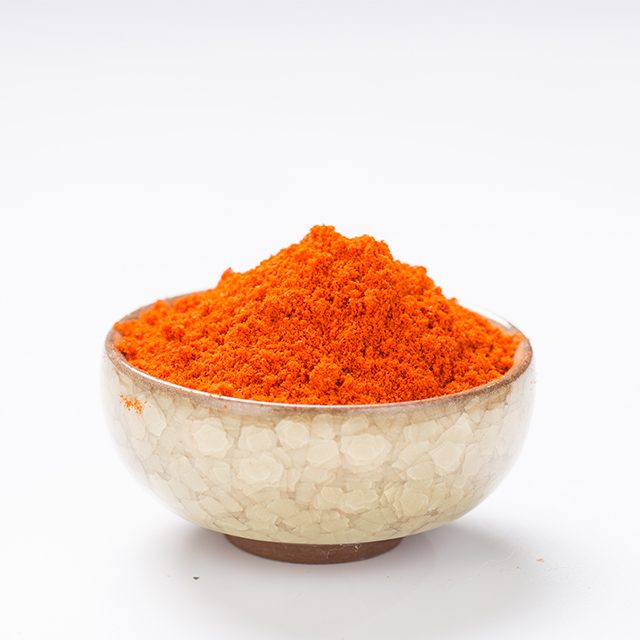
chili powder-600,000SHU

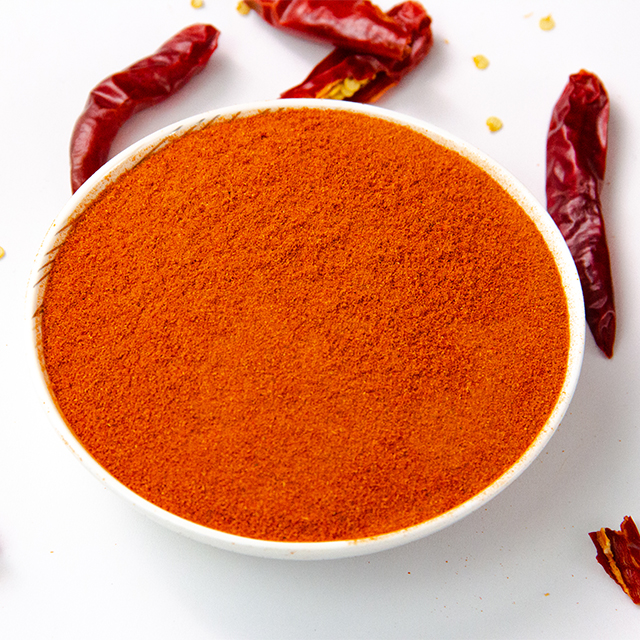
Premium Sweet Paprika Powder China Factory Certified Global Suppliers
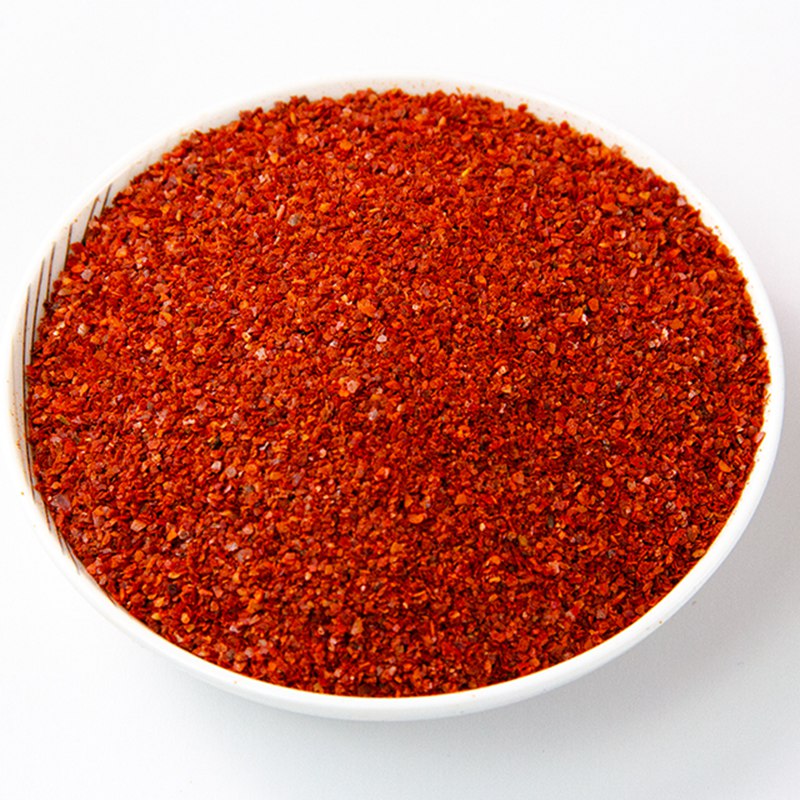
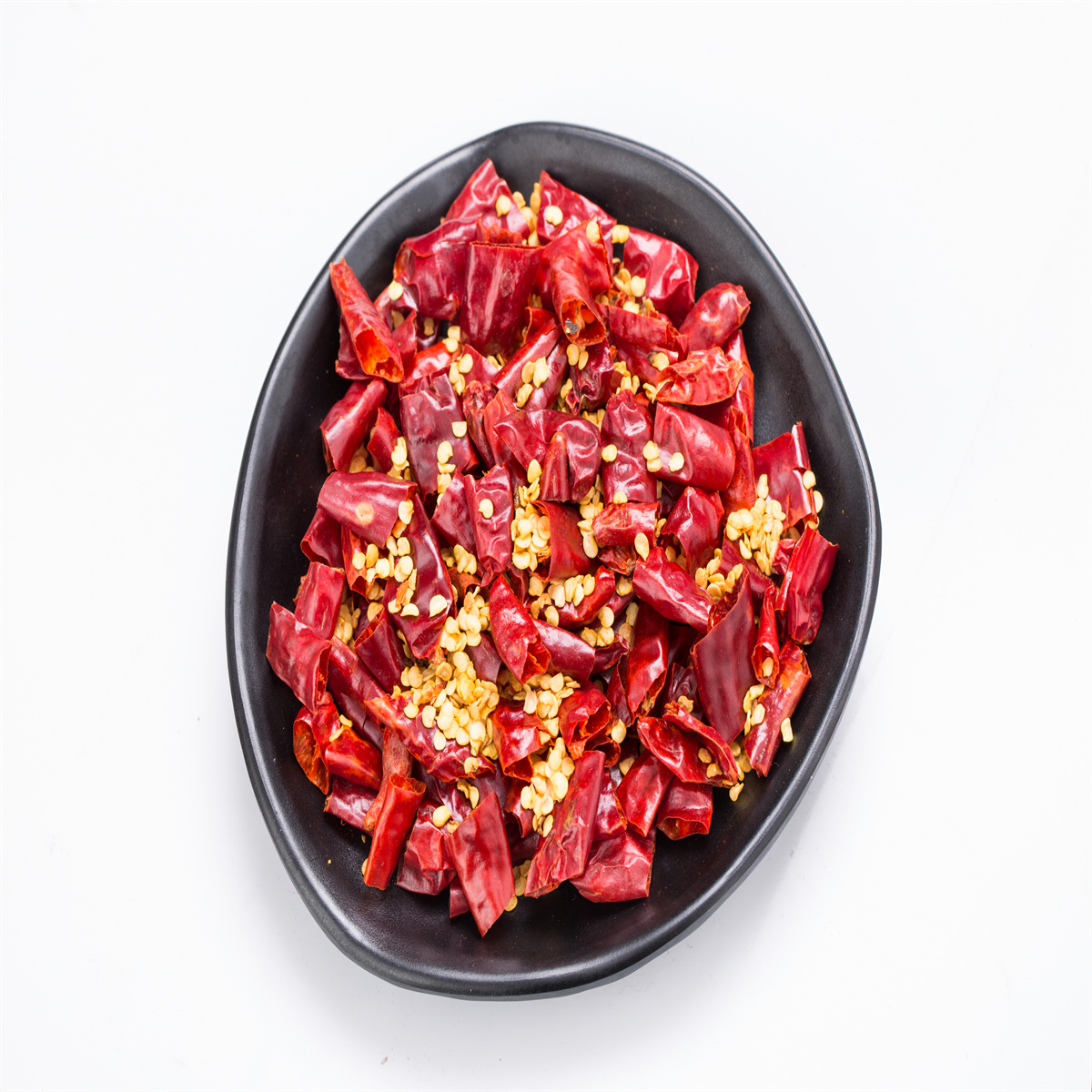
chili crushed-15,000SHU
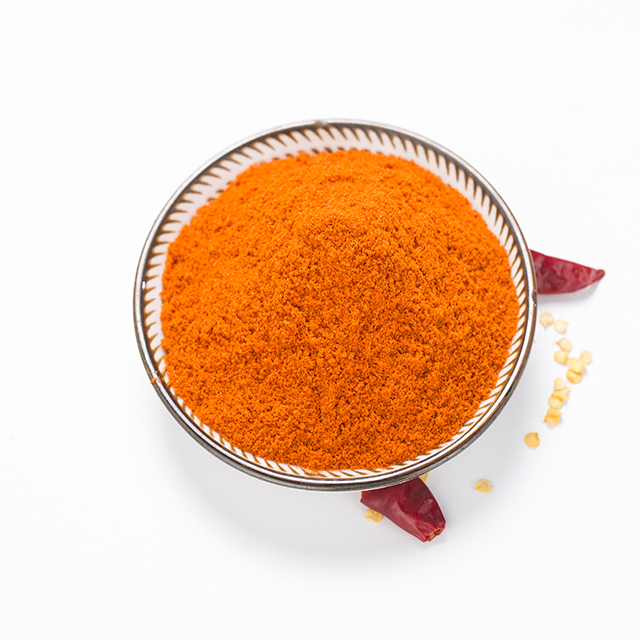
chili powder-70,000-80,000SHU
Knowledge Base
Frequently Asked Questions
Technical and commercial guidance for spice procurement.
What makes deep processing different from standard chili drying?
Deep processing involves a sequence of controlled steps including precise cleaning, specialized drying at optimized temperatures, and precision milling. Unlike standard drying, which can leave impurities and cause uneven heat distribution, deep processing ensures the removal of contaminants, stabilizes the capsaicin content, and prevents the oxidation of colors. This results in a product with a longer shelf life and a standardized flavor profile suitable for industrial applications.
Can we customize the heat level (SHU) for our specific product line?
Yes, because we manage our own dedicated farms, we can select specific pepper varieties and optimize harvest timing to achieve target Scoville Heat Units (SHU). We work with food engineers to ensure that the heat level matches your recipe's requirements, providing a consistent baseline that eliminates the need for batch-by-batch correction. We can provide technical specifications for each variant to ensure alignment with your QC standards.
How do you ensure the purity of crushed chili for the Cambodian market?
Purity is ensured through a multi-stage filtration and cleaning process before the grinding phase. We employ industrial-grade separators to remove foreign materials and utilize controlled drying environments to prevent mold and microbial growth. By controlling the entire chain from our own farms to the final facility, we eliminate the risk of cross-contamination often found when sourcing from multiple small-scale collectors.
What are the shipping and storage considerations for bulk spice orders?
For bulk orders, we recommend moisture-proof, vacuum-sealed packaging to maintain the integrity of volatile oils and colors. In Cambodia's humid climate, it is critical to store spices in a cool, dry environment away from direct sunlight to prevent clumping and oxidation. We provide guidance on optimal storage temperatures and humidity levels to ensure the product remains fresh from our facility to your production line.
Do you provide ODM services for specialized chili blends or powders?
Yes, we offer ODM (Original Design Manufacturing) capabilities for red dried chilies and hot pepper powders. This includes customizing the particle size (mesh), blending different heat levels, and tailoring the product for specific applications such as snack seasoning or sauce bases. Our technical team works with your product development team to create a spice profile that meets your exact brand requirements.
How should we begin the sourcing process for our industrial needs?
The first step is to define your technical requirements, including desired heat level, mesh size, and annual volume. Once these specifications are established, we can provide samples for your QC team to test in your actual production environment. After sample approval, we establish a supply agreement that ensures a stable delivery schedule and price consistency, allowing you to scale your production with confidence.
Contact Our Experts
Ready to Stabilize Your Spice Supply Chain in Cambodia?
Whether you are a large-scale food manufacturer or a growing distributor, ensuring the consistency of your chili ingredients is critical for brand success. Our team provides the technical expertise and industrial capacity to deliver premium spice solutions tailored to your exact specifications. Let us help you eliminate procurement volatility and elevate your product quality.
Discuss Your Requirements


