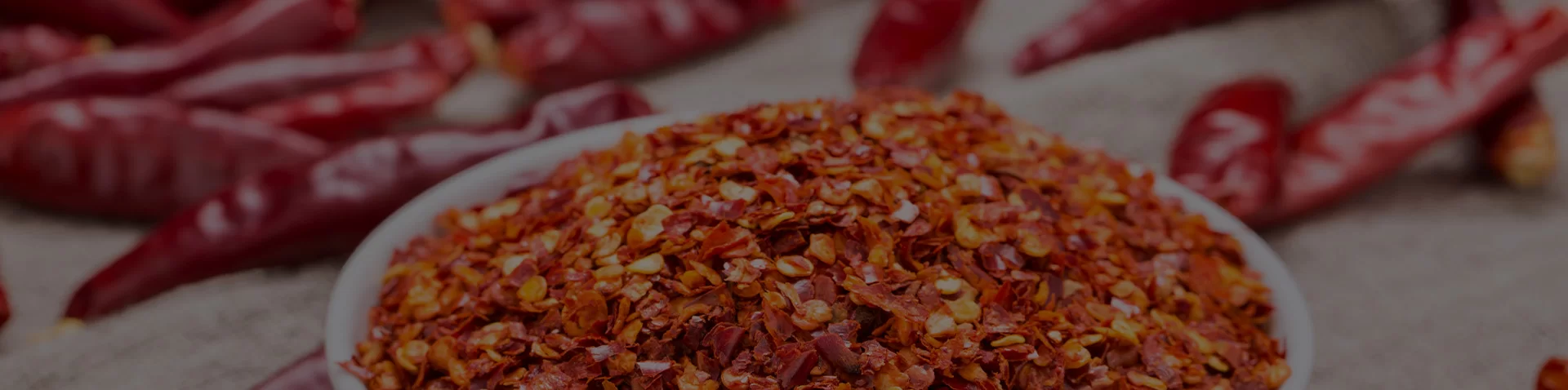
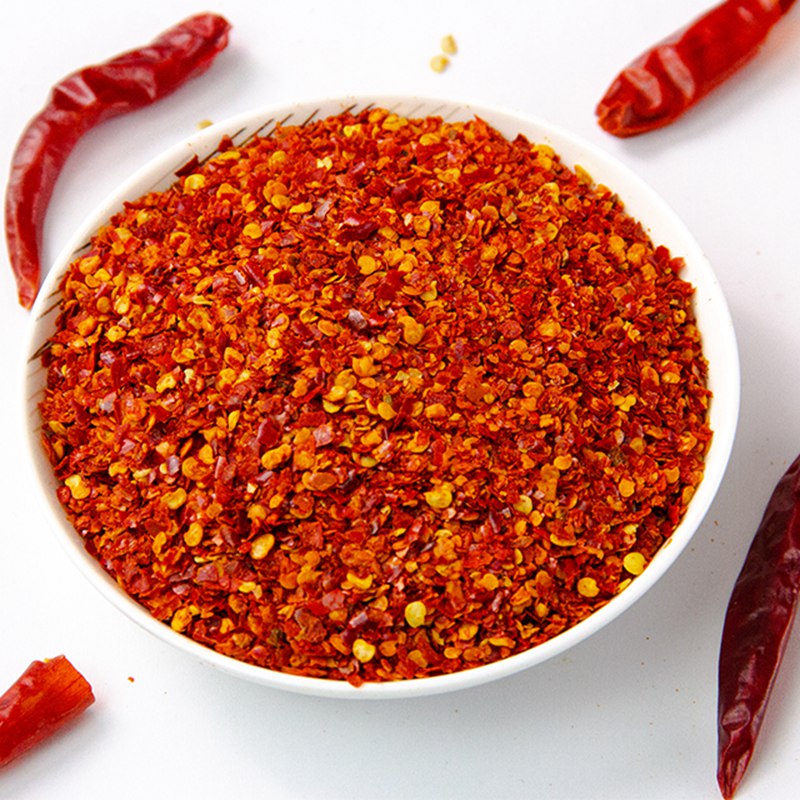
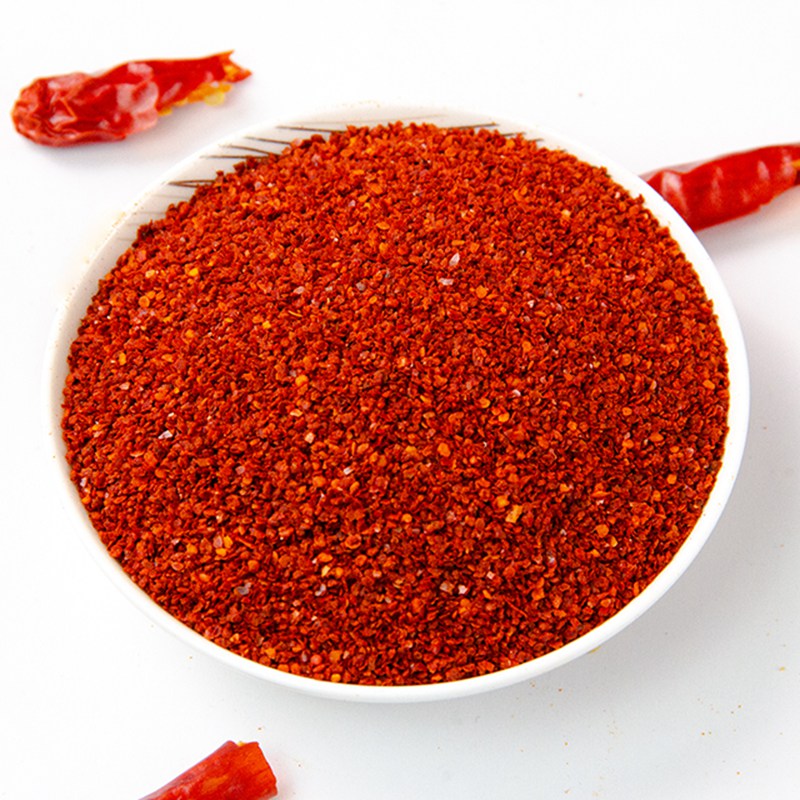
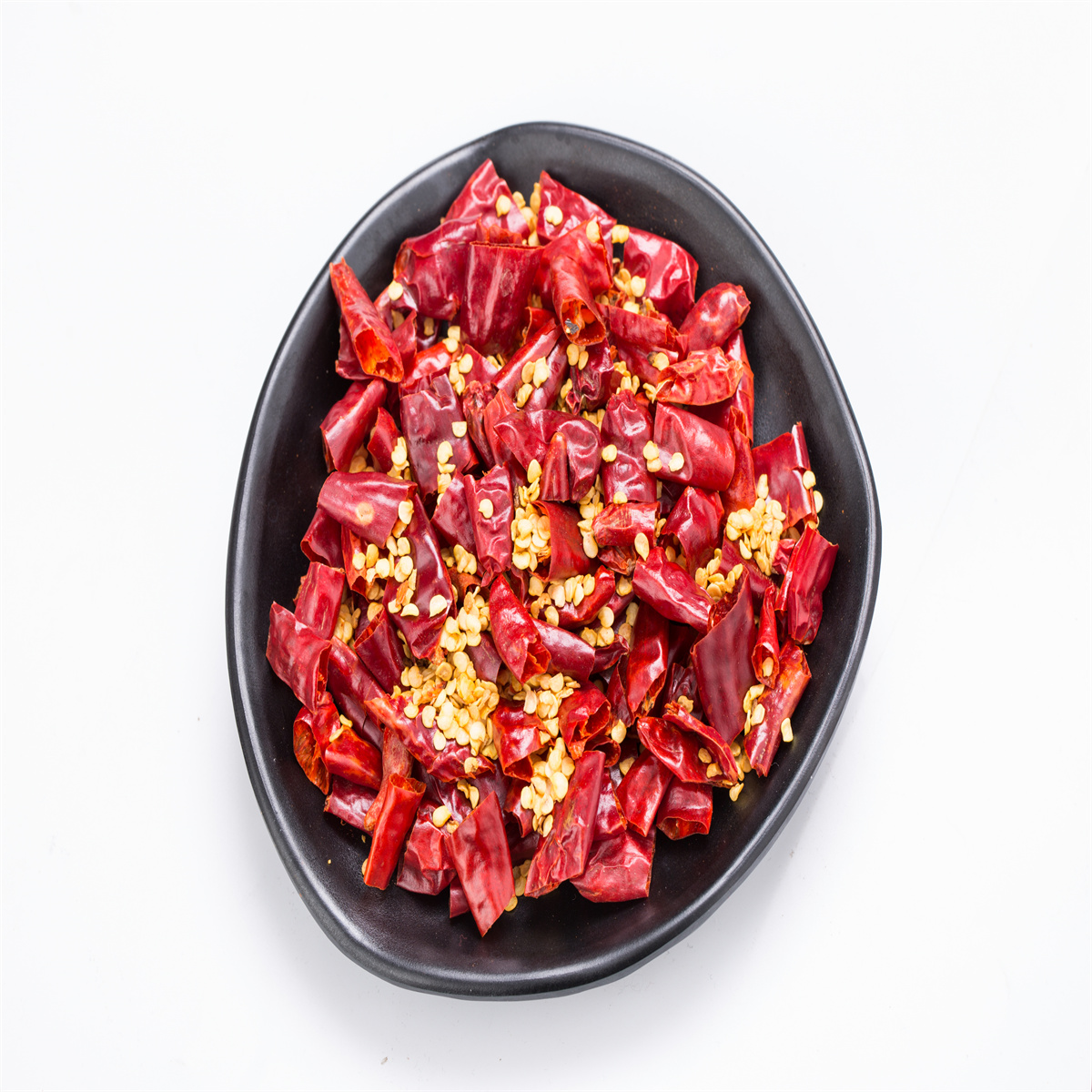
Premium crushed chilli powder Solutions for Cambodia’s Food Industry

Premium crushed chilli powder Solutions for Cambodia’s Food Industry

Premium crushed chilli powder Solutions for Cambodia’s Food Industry

Lorem ipsum dolor sit amet, consectetur adipisicing elit,

Premium crushed chilli powder Solutions for Cambodia's Food Industry

Empowering Cambodian food manufacturers with high-stability, aromatic, and standardized spice ingredients to enhance local and export taste profiles.

Premium crushed chilli powder Solutions for Cambodia's Food Industry

Integrating advanced processing technology with Cambodia's vibrant culinary demands to provide superior spice consistency and potency.

The Current Landscape of Spice Manufacturing in Cambodia

Analyzing the transition from traditional open-air drying to industrial standardization.

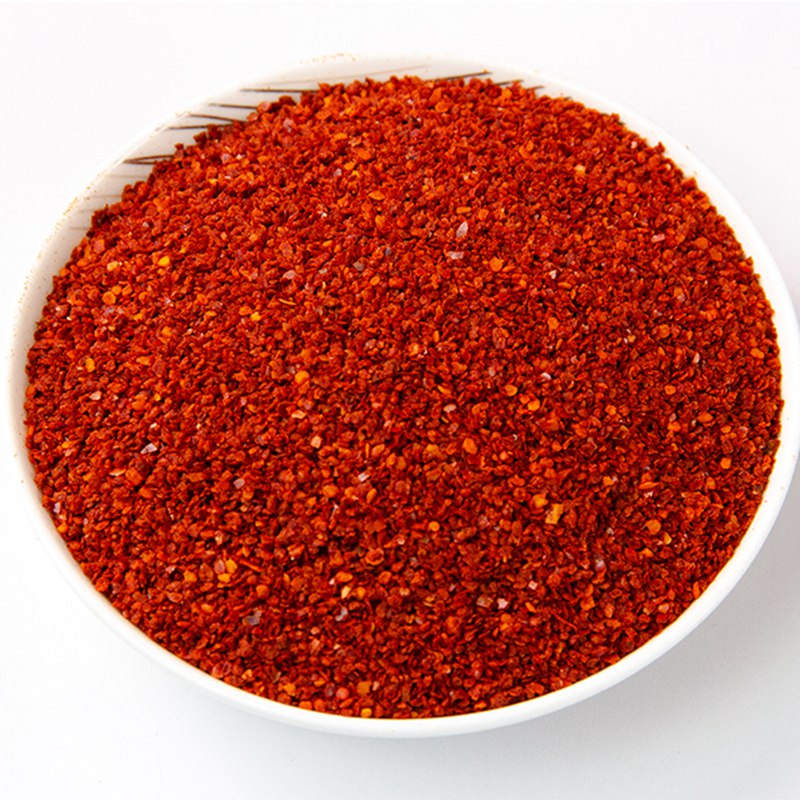
Cambodia's spice market is characterized by a strong preference for bold, pungent flavors. However, the local production of chili pepper crushed has traditionally relied on seasonal sun-drying, which leaves the product vulnerable to high humidity and aflatoxin contamination during the monsoon season.

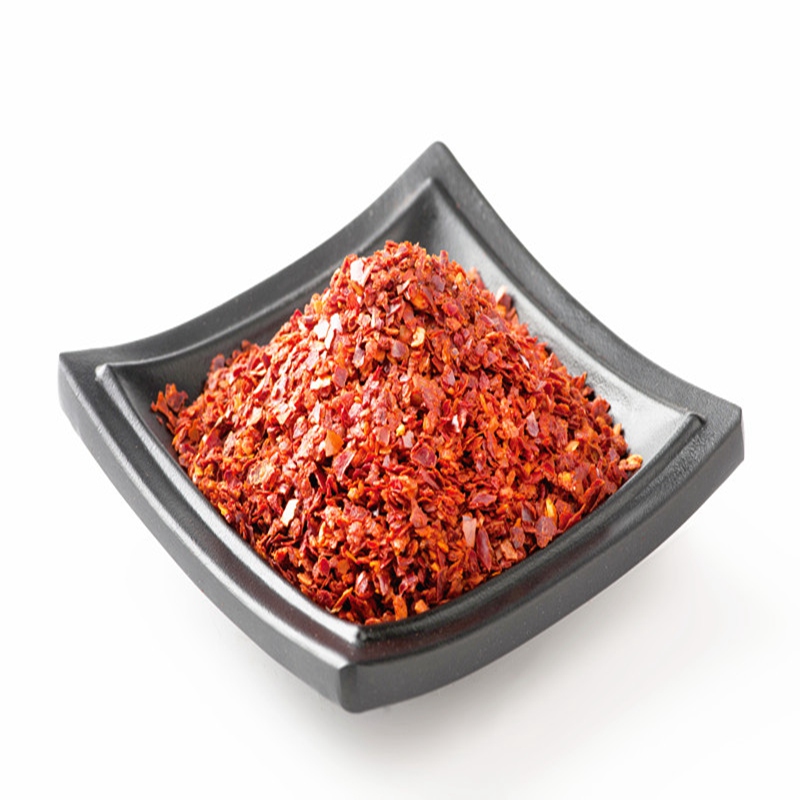
With the rise of the processed food sector in Phnom Penh and Siem Reap, there is an urgent demand for standardized sweet chili flakes. Manufacturers are shifting away from artisanal batches toward industrial-grade supplies that guarantee color consistency and heat levels (SHU) for large-scale production.

Furthermore, the integration of chili seed oil into local snack manufacturing is growing, as the market evolves from simple condiments to complex, multi-layered flavor profiles required for international export standards.
Evolution and Technological Trajectory of Cambodian Condiments

From village-scale grinding to precision-engineered spice formulations.

Market Development History

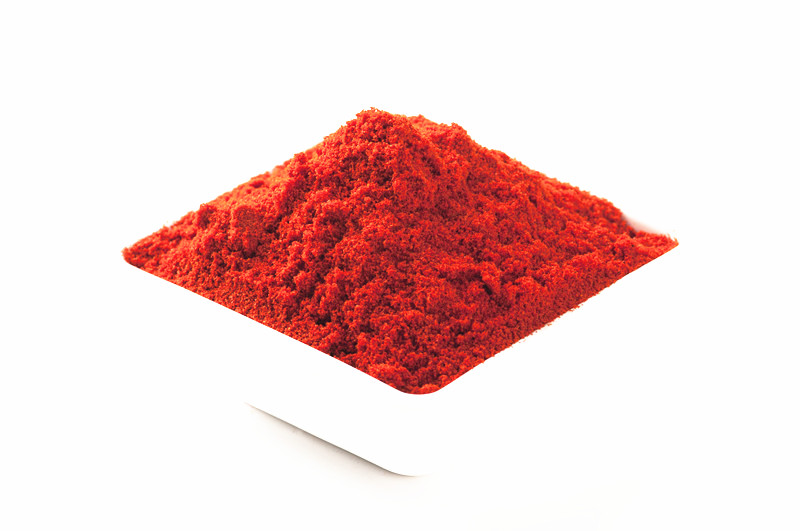
Before 2010, the Cambodian market was dominated by raw, unprocessed chilies. The first wave of evolution saw the introduction of basic mechanical crushers, allowing for the initial production of paprika red pepper for color enhancement in local sauces.

Between 2015 and 2020, the industry shifted toward "Clean Label" requirements. This period marked the adoption of cold-grinding technology to preserve the essential oils of the chili, significantly improving the shelf-life and aroma of processed powders.

Since 2021, the focus has pivoted toward "Precision Spicing," where manufacturers now require specific particle size distributions for crushed chilli powder to ensure uniform dispersion in automated mixing systems.

Future Development Trends

Automation in Dosing

Integration of AI-driven dosing systems to maintain exact heat levels across batches, reducing waste and improving flavor predictability.

Sustainable Sourcing

A shift toward traceable, pesticide-free raw materials to meet the growing demand from health-conscious urban consumers in Cambodia.

Functional Spice Blends

Development of hybrid condiments that combine traditional heat with functional nutrients, leveraging the natural properties of capsaicin.

Industry Trends and Future Strategic Outlook

Navigating the intersection of traditional taste and modern food science.

Standardized Heat Metrics
Moving from "perceived heat" to Scoville Heat Unit (SHU) precision to satisfy industrial B2B specifications.
Anti-Caking Technology
Implementing advanced moisture-control processing to prevent clumping in Cambodia's tropical humidity.
Natural Color Retention
Using low-temperature dehydration to maintain the vibrant red of natural paprika without synthetic dyes.
Export-Grade Certification
Aligning Cambodian production with HACCP and ISO standards to facilitate global market penetration.

Industry Outlook

Based on Google search trends in Southeast Asia, there is a 25% year-on-year increase in searches for "clean label spices" and "natural chili extracts." This indicates that the Cambodian market is moving toward transparency and ingredient purity.

We predict that in the next 3-5 years, the industry will pivot toward "Micro-encapsulation," allowing the heat of the chili to be released slowly during cooking, which will revolutionize the local ready-to-eat meal sector.

Localized Application Scenarios in Cambodia

How our precision spices integrate into the Cambodian food ecosystem.

1. Industrial Sauce Production

Using paprika red pepper to achieve the iconic deep red hue of Cambodian dipping sauces while maintaining a mild, sweet base.

2. Gourmet Snack Manufacturing

Applying chili seed oil to fried cassava chips and dried fruits to create a high-intensity aromatic coating that adheres perfectly.

3. Ready-to-Eat (RTE) Meal Kits

Incorporating sweet chili flakes into dehydrated meal packets for urban professionals, ensuring flavor stability throughout the shelf life.

4. Traditional Paste Industrialization

Replacing manual grinding with standardized crushed chilli powder to ensure that every jar of Kroeung paste has the exact same heat level.

5. Export-Oriented Condiments

Using chili pepper crushed that meets EU and US microbial standards for Cambodian sauces exported to international markets.

Brand Story

Global Development Journey of Longyao Xuri Food Co., Ltd.

Foundational Excellence

Started with a commitment to solve the instability of raw chili quality, we established rigorous sourcing protocols to ensure base material purity.

Technological Breakthrough

Invested in low-temperature drying and precision milling, solving the industry pain point of nutrient loss and color degradation.

Global Standardization

Achieved international food safety certifications, allowing our products to penetrate the most stringent markets in Asia and Europe.

Cambodian Market Integration

Developed customized spice profiles specifically for the Cambodian palate, bridging the gap between industrial efficiency and local taste.

Future Vision

Aiming to become the primary infrastructure provider for the global condiment industry through sustainable and innovative spice science.

Complete Spice Portfolio for the Cambodian Market

From mild aromatic powders to high-intensity crushed flakes, tailored for regional food manufacturing.

Cambodia Spice Industry FAQ

Technical answers to common challenges in Cambodian condiment manufacturing.

How to prevent clumping in crushed chilli powder in humid Cambodian climates?

We utilize advanced moisture-control dehydration and vacuum-sealed packaging to ensure our products remain free-flowing even in high-humidity environments.

Can your sweet chili flakes be used in export-grade sauces?

Yes, our products are processed under strict HACCP guidelines, ensuring they meet the microbiological standards required for export to the US and EU.

What is the difference between paprika red pepper and standard chili powder for color?

Paprika provides a rich, deep red color with low heat, making it ideal for visual appeal without overpowering the flavor profile of the dish.

How does chili seed oil enhance the shelf-life of local snacks?

Our refined seed oil acts as a flavor carrier and creates a protective lipid barrier, preserving the aroma and preventing oxidation of the snack.

Are your chili pepper crushed products available in different heat levels?

Absolutely. We offer a range of SHU (Scoville Heat Units) from mild to extra hot to fit specific Cambodian regional taste preferences.

What are the lead times for bulk spice shipments to Phnom Penh?

We maintain a streamlined logistics network for Cambodia, typically offering competitive lead times with full customs documentation support.

Request Industrial Spice Samples

Partner with the leading spice manufacturer to elevate your food production in Cambodia.

Contact Us Now

If you are interested in our products, you can choose to leave your information here, and we will be in touch with you shortly.