

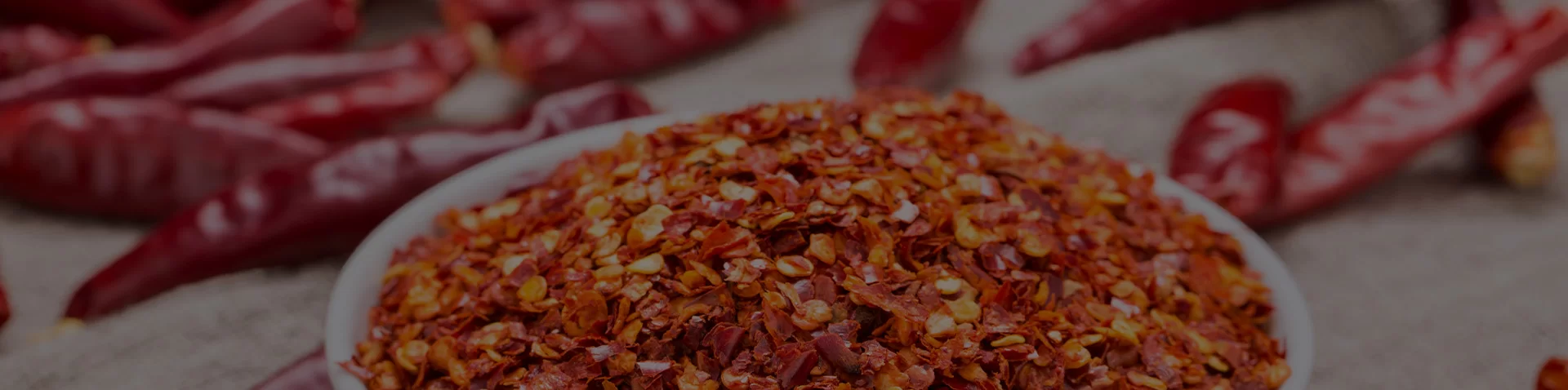

For industrial food manufacturers, sourcing high-quality odm red korean chili flakes is critical for achieving the authentic heat and vibrant color required for products like kimchi, spicy sauces, and seasoned snacks. Unlike retail spices, ODM (Original Design Manufacturing) solutions allow B2B buyers to customize specifications—ranging from mesh size to pungency—ensuring that the raw material integrates seamlessly into large-scale automated production lines without altering the final taste profile.
The challenge for procurement officers lies in maintaining consistency across massive batches. Variations in crop quality, moisture levels, and processing methods can lead to inconsistent batches that affect product shelf-life and sensory appeal. In the global spice market, especially for those exporting to the EU, USA, or Japan, adherence to strict safety certifications such as BRC, FDA, and HALAL is not optional; it is a baseline requirement for market entry and consumer safety.
This guide explores the technical parameters and procurement strategies essential for sourcing premium Korean-style chili products. We will examine how to evaluate supplier capabilities, the importance of sterilization in industrial spice handling, and the technical trade-offs between different particle sizes. By focusing on evidence-based quality metrics, food engineers and sourcing managers can mitigate risks and optimize the value of their spice supply chain.
Sourcing Industrial Korean-Style Chili Flakes
Industrial sourcing for Korean-style chili products differs significantly from standard spice procurement due to the specific requirements for "Gochugaru" style textures. The primary objective is to find a partner capable of deep processing that can transform raw pods into precise flakes. This process involves meticulously cleaning, drying, and milling the chilies to ensure no foreign matter remains. For companies operating under an ODM model, the ability to adjust the milling process to create specific cuts—whether coarse for aesthetic toppings or fine for blending into pastes—is a key competitive advantage.
A professional processing facility, such as those established since 1996, leverages decades of expertise to handle the volatility of chili crops. By managing the entire chain from dedicated farms to the final packaging, manufacturers can guarantee a stable supply of odm red korean chili flakes. This vertical integration reduces the risk of adulteration and ensures that the natural capsicum levels remain consistent, which is vital for maintaining the standardized Scoville Heat Units (SHU) required by corporate recipe specifications.
B2B Procurement and Quality Metrics
When evaluating an industrial spice supplier, the focus must shift from general quality to specific, measurable technical parameters. The following dimensions define the operational success of a chili flake integration in a commercial food formula.
Particle Size and Texture Control
The physical dimensions of the flake dictate how the spice interacts with other ingredients. Coarser flakes provide a rustic visual appeal and a slower release of heat, whereas finer particles blend more uniformly into liquids. For industrial applications, providing a range of standardized particle sizes allows manufacturers to choose the exact grade that fits their machinery and end-product goals.
| Particle Range | Typical Application | Sensory Effect | Processing Requirement |
|---|---|---|---|
| 0.5-2MM | Fine blends/Pastes | Uniform heat distribution | High-precision milling |
| 1-3MM | Seasoned snacks | Balanced texture | Standard industrial cut |
| 2-4MM | Pickling/Kimchi | Visible flake structure | Coarse milling |
| 3-5MM | Premium toppings | Rustic, bold appearance | Low-impact crushing |
| Custom Mix | Multi-layered flavors | Complex mouthfeel | Blended grades |
| Deseeded Flakes | Mild spice profiles | Pure fruit flavor | Seed separation tech |
Pungency and Heat Profiles
Heat intensity is measured in Scoville Heat Units (SHU). For B2B procurement, "medium" or "hot" are insufficient descriptions. Sourcing managers must specify a range (e.g., < 500 SHU for sweet variants) to ensure that the spice does not overwhelm the product. Consistency in pungency is achieved through careful crop selection and blending techniques that normalize the heat across different harvests.
Color Stability and Visual Appeal
The deep red hue of Korean-style flakes is a primary quality indicator. Industrial buyers must verify that the color is 100% natural and free from artificial dyes like Sudan Red. Natural color stability is maintained through optimized drying temperatures that preserve the carotenoids in the chili pods, ensuring the product does not fade during storage or processing.
Contamination and Safety Standards
Food safety is the highest priority in global trade. Suppliers must provide certifications such as ISO 9001, ISO 22000, BRC, and FDA. Rigorous testing by third-party agencies like SGS or CIQ is necessary to confirm the absence of heavy metals and pesticide residues, ensuring the product meets the stringent import laws of the EU and North America.
Customized Seed Content
Seeds can affect both the flavor and the texture of the final product. Some recipes require a higher seed percentage for a specific crunch and nutty undertone, while others demand deseeded flakes to minimize bitterness and maximize the "clean" heat of the chili flesh. Offering options such as 50%, 30-40%, or completely deseeded variants is a hallmark of a professional ODM supplier.
Sterilization Methods for Export
To meet microbial limit requirements, especially for products shipped internationally, steam sterilization is often employed. This process reduces the bio-burden of the spice without compromising the volatile oils that provide the aroma. Buyers should confirm the sterilization method to ensure it aligns with their own food safety HACCP plans.
Supply Chain Stability
For large-scale operations, a supplier's monthly capacity is a critical metric. A facility capable of delivering 500MT per month provides the necessary security for industrial food production, preventing line shutdowns due to raw material shortages. This stability is typically supported by direct access to raw materials from regions like Xinjiang, China.
FAQ
What is the main difference between crushed flakes and powder for industrial use?
Crushed flakes provide a rustic texture and a gradual release of flavor, making them ideal for toppings, pickling, and sausage blends. In contrast, powder is designed for uniform color and rapid blending into sauces or seasonings. For B2B buyers, the choice depends on whether the application requires visual "spice particles" or a homogenous mixture.
Can I request a specific seed percentage for my spice order?
Yes, professional ODM suppliers offer customizable seed content. Depending on your recipe, you can choose between 50% seeds, 30-40% seeds, or entirely deseeded flakes. This allows you to control the bitterness and the physical consistency of your food product.
How do you ensure the red chili flakes are free from Sudan Red?
Compliance is ensured through rigorous testing by international certification bodies like CIQ and SGS. Every batch is screened for synthetic dyes to guarantee that the red color is derived purely from the natural pigments of the chili pods, meeting all EU and FDA safety standards.
What are the common particle sizes available for large-scale manufacturing?
Standard industrial specifications usually include 0.5-2MM, 1-3MM, 2-4MM, and 3-5MM. Choosing the right size depends on the application—for example, 2-4MM is common for authentic kimchi, while 0.5-2MM is preferred for blended seasonings.
Is steam sterilization recommended for all export shipments?
Steam sterilization is highly recommended for buyers with strict microbial limits. It effectively reduces pathogens while preserving the organoleptic properties of the spice, ensuring that the product arrives at the destination plant ready for immediate integration into the production line.
What is the typical MOQ for bulk B2B chili shipments?
For industrial-grade crushed products, the minimum order quantity (MOQ) is typically 1000kg. These are generally shipped in 25kg kraft bags with inner plastic liners to maintain freshness and prevent moisture ingress during long-distance maritime logistics.
References and further reading
- Korean Chili Flakes (Gochugaru) - Wikipedia: https://en.wikipedia.org/wiki/Korean_chili_flakes
- ISO 22000:2018 Food Safety Management Systems Requirements
- FDA Spice and Seasoning Import Regulations Guide
Related Articles


