

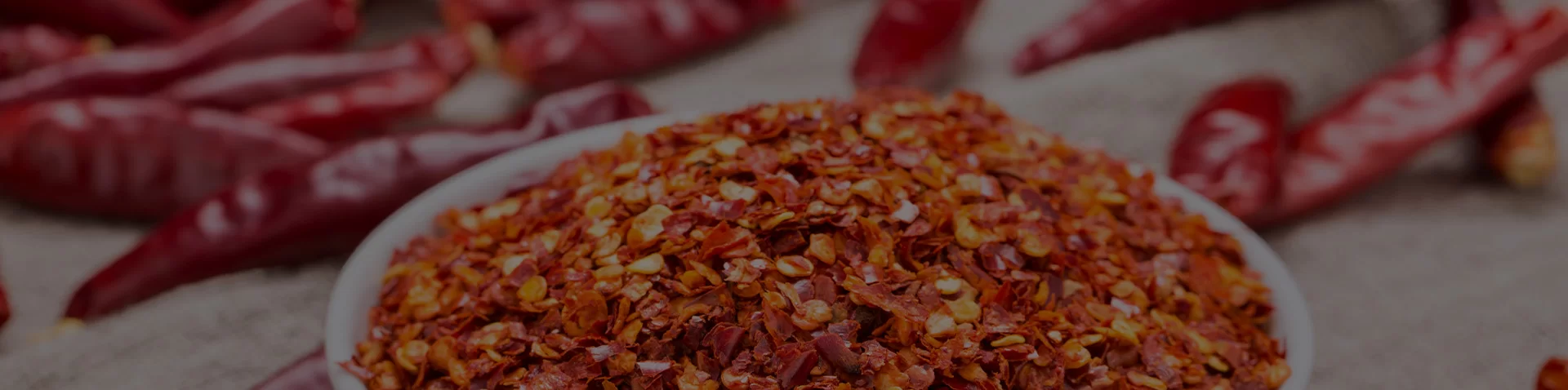

For global food manufacturers and distributors, sourcing a consistent odm cayenne chili powder requires a balance of heat intensity, color vibrancy, and strict safety certifications. In the B2B spice market, the difference between a standard product and a professional-grade ingredient lies in the precision of the Scoville Heat Units (SHU) and the reliability of the sterilization process. This guide explores the technical requirements for high-pungency chili ingredients and how to evaluate suppliers for commercial production.
Industrial spice procurement often faces challenges regarding contaminant levels, such as Aflatoxin and Ochratoxin A, which can jeopardize international shipments. The demand for "Europe Grade" materials has pushed manufacturers to adopt advanced sterilization techniques, moving beyond simple drying to microwave heat and steam processing. This ensures that the final powder is not only potent but also meets the rigorous microbial standards required for the US, EU, and Asian markets.
Readers will gain insights into the critical parameters of chili powder selection, including the role of particle size in food application and the importance of Sudan Red-free certification. By understanding the relationship between raw material sourcing—such as dedicated farm cultivation—and final product stability, procurement officers can better manage their supply chain risks and ensure consistent flavor profiles across large-scale production batches.
B2B Sourcing for Professional Chili Powders
The commercial spice industry is governed by strict specifications where "standard" is rarely sufficient. When sourcing odm cayenne chili powder, buyers must look beyond the surface-level heat. True industrial quality is defined by a combination of chemical purity, physical consistency, and regulatory compliance. For instance, the absence of Sudan Red—a prohibited synthetic dye—is a non-negotiable requirement for any product entering the European or North American food chains. This necessitates a supplier with transparent quality control systems and the ability to provide detailed lab reports for every batch.
Furthermore, the integration of vertically integrated supply chains, where the processor owns the dedicated farms, significantly reduces the risk of cross-contamination and variability in pungency. In a high-volume environment, a deviation of a few thousand SHU can alter the taste of thousands of units of finished food products. Professional processing facilities utilize multi-stage cleaning and high-precision grinding to ensure that the spice blend remains uniform, preventing "hot spots" in the final consumer product. This level of control is essential for gourmet dishes and large-scale commercial food production alike.
Selecting High-Pungency Cayenne Solutions
Selecting the right spicy ingredient involves a deep dive into technical specifications. From heat levels to microbial purity, each factor affects the shelf life and sensory experience of the end product. The following analysis breaks down the seven key dimensions that B2B buyers should evaluate when partnering with a spice manufacturer.
Pungency and SHU Standards
The Scoville Heat Unit (SHU) is the primary metric for spicy potency. For high-heat applications, a level of 80,000 SHU provides a powerful and consistent kick. Maintaining this stability across different shipments is the hallmark of a professional manufacturer. Inconsistency in SHU can lead to recipe failures in automated food production lines.
| Metric | Standard Grade | Premium Grade (Xuri) | Buyer Impact |
|---|---|---|---|
| Pungency | Variable SHU | Stable 80,000 SHU | Consistent Flavor Profile |
| Purity | Basic Cleaning | Multi-stage Sterile | Lower Contamination Risk |
| Safety | Local Standards | BRC, FDA, ISO | Global Market Access |
| Mycotoxins | Standard Limits | Strict Europe Grade | Compliance with EU Law |
| Customization | Fixed Spec | Full OEM Control | Application Specificity |
| Coloring | May vary | Sudan Red-Free | Natural Regulatory Safety |
Customization of Particle Size
The physical form of the powder dictates its interaction with other ingredients. Whether it is a fine powder for smooth integration into sauces or a coarser crushed texture for pizza sprinkles, particle size control is vital. Professional OEM services allow for precise ranges, such as 0.5-2mm or 3-5mm, ensuring the spice performs exactly as intended in the specific culinary application.
Sterilization and Microbial Safety
Traditional drying is often insufficient for global exports. Advanced facilities employ a combination of microwave heat and steam sterilization. This dual-action process eliminates pathogens and reduces microbial loads without degrading the volatile oils that provide the chili's natural aroma and color, ensuring the product is safe for immediate industrial use.
Compliance with European Grades
Entering the European market requires strict adherence to mycotoxin limits. Specifically, Aflatoxin must be kept below 5ug/kg and Ochratoxin A below 20ug/kg. Meeting these "Europe Grade" standards requires rigorous testing and a controlled sourcing environment, typically involving high-quality dried chilies sourced from certified growers.
Seed Content Management
The ratio of seeds to flesh affects both the visual appeal and the flavor profile of the spice. Depending on the client's recipe, seed content can be adjusted to 50%, 30-40%, or completely deseeded. This flexibility allows food companies to control the bitterness and texture of their final product.
Color Stability and Purity
A vibrant red hue is essential for consumer appeal, but it must be achieved naturally. The use of synthetic dyes is strictly prohibited in professional B2B spice trade. By focusing on high-quality raw materials and avoiding Sudan Red, manufacturers ensure a natural, stable color that does not fade during the cooking process.
Supply Chain Capacity
For large-scale distributors, supply stability is as important as quality. A manufacturer capable of delivering up to 500mt per month provides the necessary security for global supply chains. This capacity, combined with optimized logistics (e.g., 25MT/40’FCL), ensures that cost-effective shipping and timely delivery are maintained.
FAQ
What is the standard pungency for professional-grade cayenne powder?
Professional-grade products, such as those from Xuri Food, often target a high pungency level of 80,000 SHU. This ensures a powerful, consistent heat profile that is essential for commercial food production where flavor uniformity across batches is critical for brand consistency.
Can I customize the seed percentage and mesh size for my recipe?
Yes, OEM customization is standard for B2B spice sourcing. Seed content can typically be adjusted (e.g., 50%, 30-40%, or deseeded) and particle sizes can range from fine 0.5mm up to 5mm, depending on whether the application is a smooth sauce or a coarse sprinkle.
What certifications should I look for in a chili powder supplier?
For international trade, look for BRC, FDA, ISO22000, and ISO9001. Additionally, HALAL and KOSHER certifications are important for specific market segments. These certifications ensure the facility follows global food safety management systems and rigorous quality control.
How is microbial purity ensured in high-volume spice production?
Microbial purity is achieved through advanced sterilization methods. Combining microwave heat and steam sterilization allows manufacturers to eliminate pathogens and lower mycotoxin levels while preserving the natural color and aroma of the chili, meeting strict European Grade requirements.
What are the risks associated with Sudan Red in chili products?
Sudan Red is a prohibited synthetic dye used to artificially enhance the red color of spices. It is considered unsafe for consumption and is banned in most developed markets. Buyers must ensure their supplier provides certification that the product is strictly Sudan Red-free.
What is the typical bulk packing for industrial spice shipments?
The industry standard for bulk shipping is 25kg Kraft bags lined with plastic film. This packaging is designed to protect the powder from moisture and oxidation, preserving freshness during long-distance sea freight in 20’GP or 40’FCL containers.
References and further reading
- Food Safety Standards: BRC and ISO22000 Guidelines for Spice Processing.
- European Food Safety Authority (EFSA) on Mycotoxin Limits in Dried Peppers.
- The Scoville Scale: Measuring Capsaicinoids in Industrial Applications.
Related Articles


