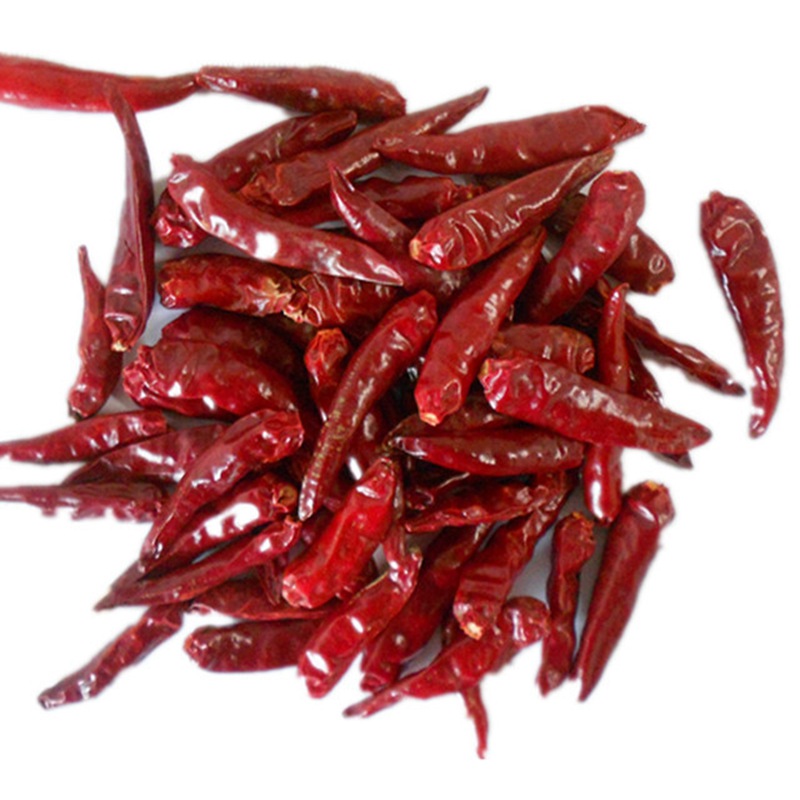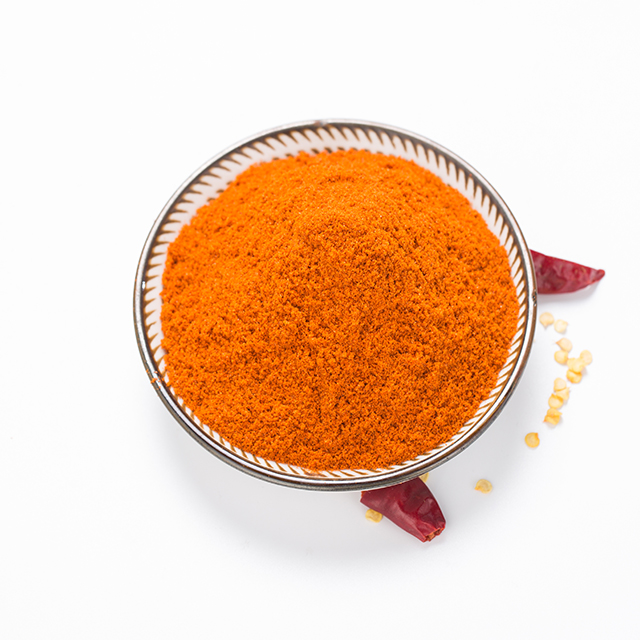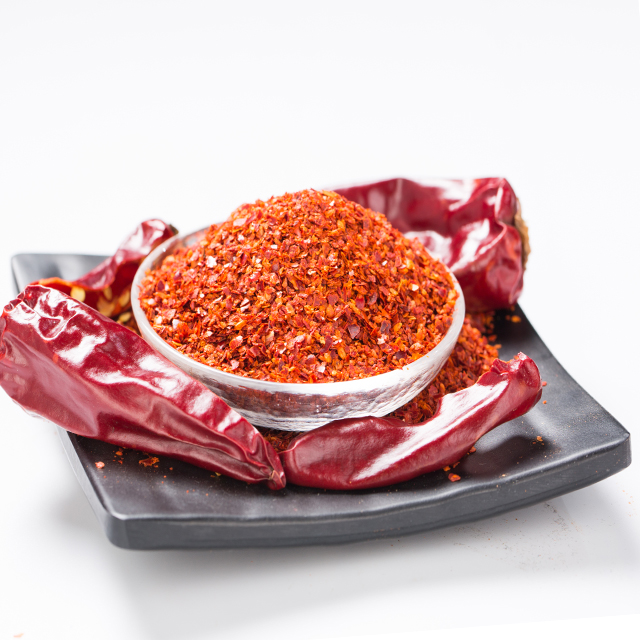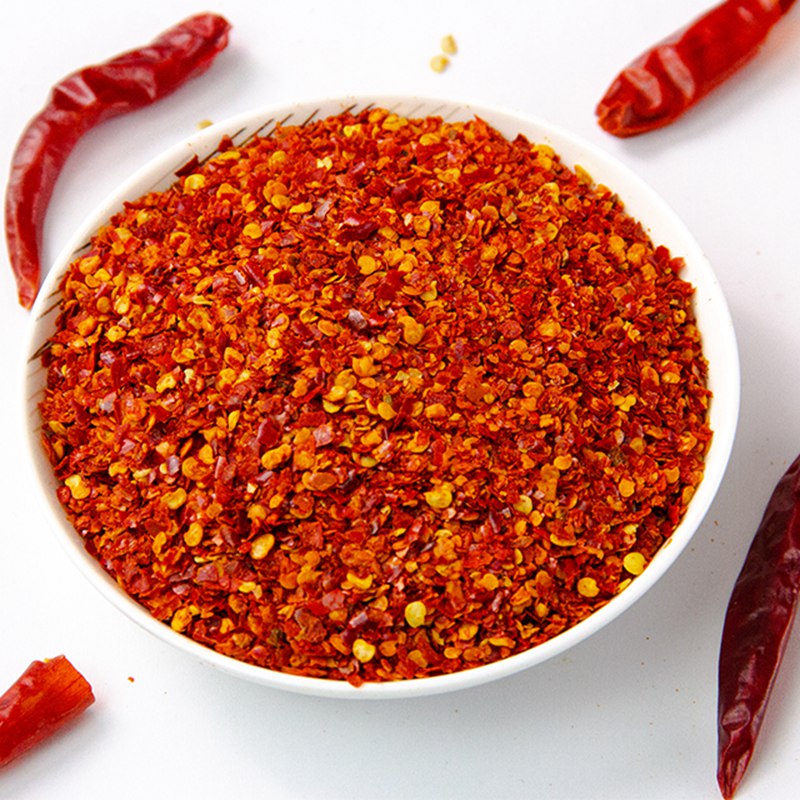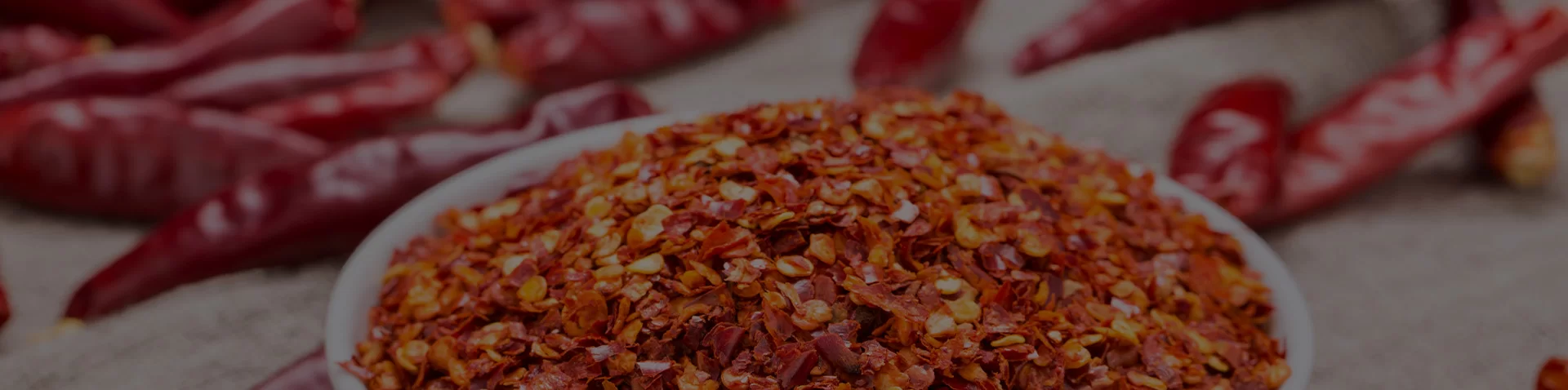
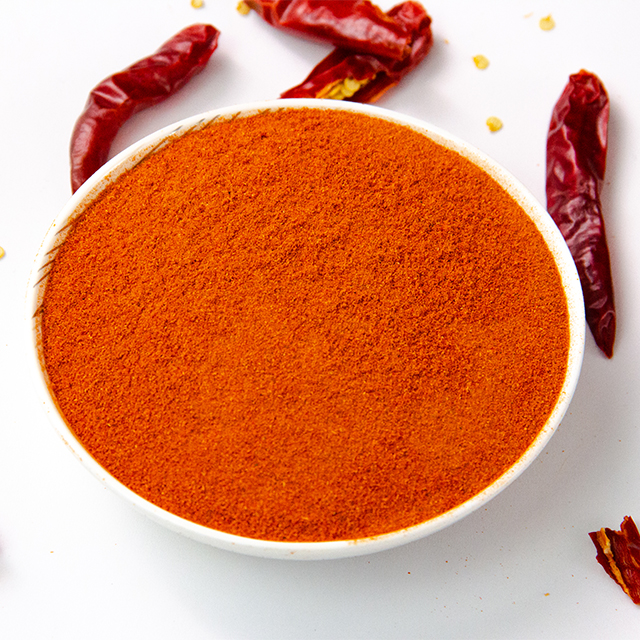
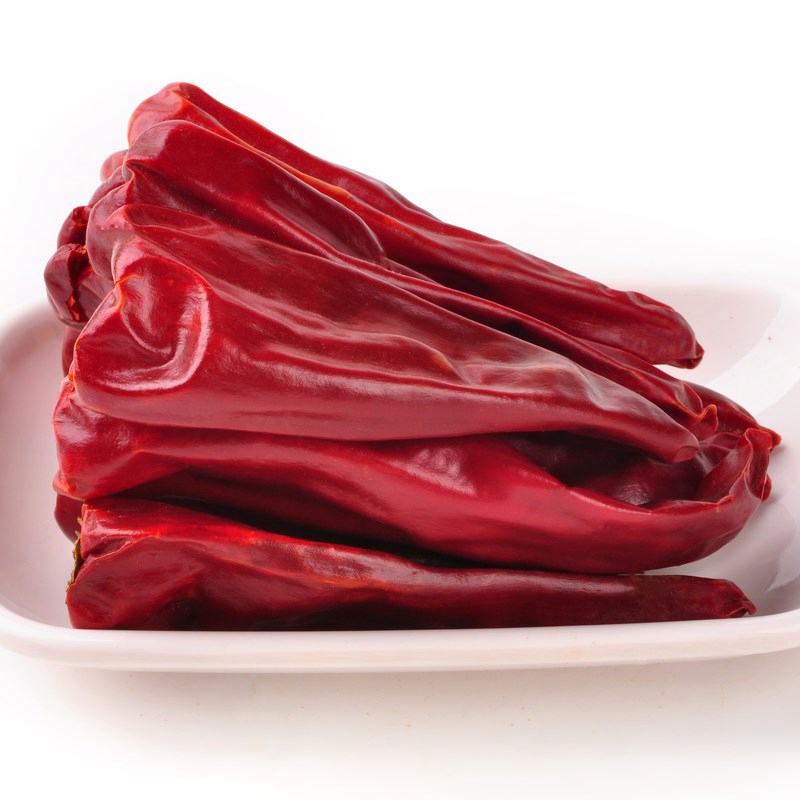
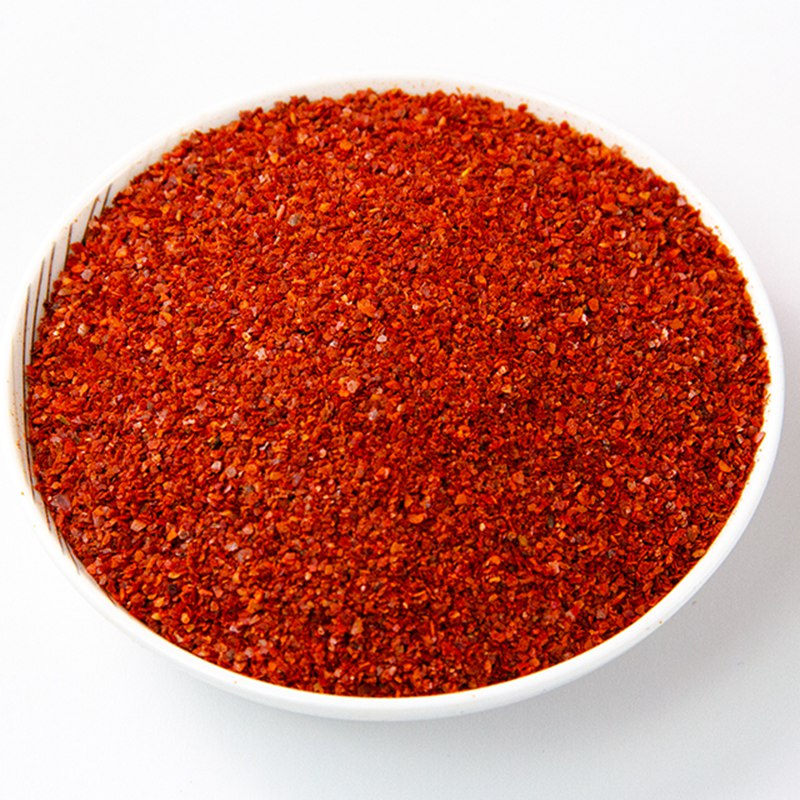
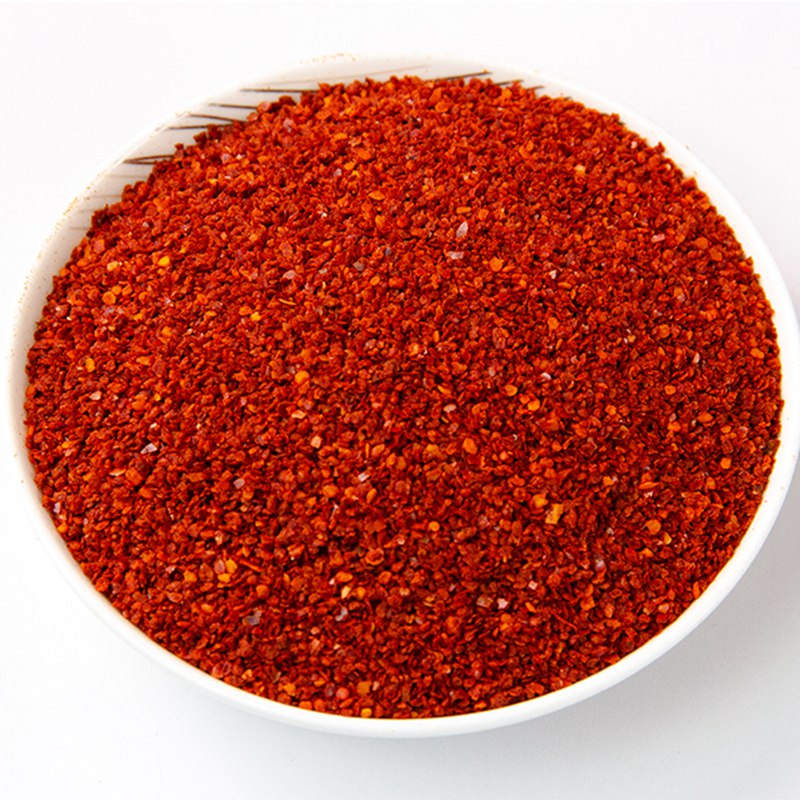
Peru's food manufacturing landscape is currently defined by a strong reliance on native Capsicum species, yet there is a growing industrial gap in the consistency of crushed chilli powder. While local markets thrive on traditional pastes, large-scale processors in Lima and Arequipa are increasingly seeking standardized imports to ensure flavor uniformity across export-grade processed foods.
The humid coastal climates of Peru present significant challenges for the storage of chili pepper crushed products. Moisture ingress often leads to clumping and color degradation, driving a market shift toward vacuum-sealed, high-stability powders that maintain their vibrant red hue without excessive artificial additives.
Economically, the rise of "Nikkei" and "Chifa" fusion cuisines has spiked the demand for versatile condiments. This has created a niche for high-quality chili seed oil, which serves as a critical base for modern Peruvian sauces that require both aromatic depth and long shelf-life stability.