Premium Chili Spice Solutions for Malaysia Food Manufacturing

Premium Chili Spice Solutions for Malaysia Food Manufacturing

Premium Chili Spice Solutions for Malaysia Food Manufacturing

Lorem ipsum dolor sit amet, consectetur adipisicing elit,

Premium Chili Spice Solutions for Malaysia Food Manufacturing

Enhancing the authentic flavors of Malaysian cuisine with high-purity chili derivatives tailored for industrial food processing and distribution.

Request Details

Industrial Grade Chili Ingredients

Sourcing professional-grade spices to optimize consistency and heat profiles in commercial food production.

Navigating the Chili Spice Supply Chain in Malaysia

Balancing heat, color, and stability for the Southeast Asian market.

The food manufacturing sector in Malaysia is characterized by a sophisticated blend of cultural influences, where the demand for consistent heat and vibrant color is paramount. For producers of sauces and ready-to-eat meals, sourcing a reliable paprika red pepper is essential not only for the flavor profile but also for achieving the specific visual standards expected by local consumers. The regional climate and humidity levels often pose challenges for spice stability, making deep-processing techniques critical for long-term shelf life.

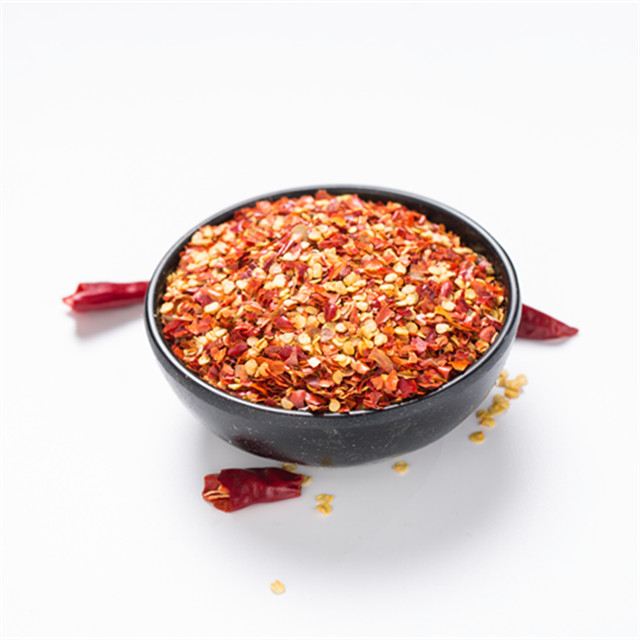
From an industrial procurement perspective, there is a growing shift toward high-efficiency ingredients that reduce preparation time. The integration of crushed chilli powder into large-scale production lines allows manufacturers to maintain precise spice concentrations across various batches. As the Halal food industry in Malaysia continues to expand globally, the requirement for traceable and pure chili derivatives becomes a strategic priority for exporters aiming for international certification.

Current market dynamics indicate a trend toward diversifying heat levels to cater to a wider demographic. While traditional spicy profiles remain dominant, the introduction of sweet chili flakes provides a versatile option for snacks and fusion condiments. For Malaysian food enterprises, the decision to partner with a vertically integrated supplier—from farm to processing—mitigates the risks of price volatility and contamination in the global spice trade.

Evolution of Spice Processing Standards

Tracing the path from traditional grinding to precision deep-processing.

Industry Evolution

1996-2005

Foundational Processing focused on basic drying and grinding techniques, establishing the core capacity for producing high-volume chili powders for regional markets.

2006-2015

Diversification Phase saw the introduction of specialized cuts and oils, expanding the product range to include advanced extracts and tailored textures for global distributors.

2016-Present

Precision Integration implementing sustainable farming and deep-processing technology to ensure pesticide-free and high-potency spice solutions for the modern food industry.

Market Transformation

  • Clean Label Demand

    Industrial users are increasingly requesting additives-free spices, driving the need for superior natural preservation and purity.

  • Customized Heat Profiles

    A move toward bespoke Scoville levels allows food brands to create signature tastes that differentiate them in crowded retail shelves.

  • Supply Chain Transparency

    End-to-end traceability from the chili farm to the final packaging is becoming a mandatory requirement for corporate compliance.

Future Outlook for Malaysia's Chili Manufacturing

Strategic shifts toward sustainability and technological optimization.

Process Efficiency
Adopting automated sorting and grading to ensure uniform particle size and color intensity across all shipments.
Sustainability
Implementing eco-friendly farming practices and reducing waste during the deep-processing stage to meet green standards.
Pure Extract Tech
Developing higher purity chili seed oil for specialized culinary applications and cosmetic uses.
Cold Chain Logistics
Optimizing the transport of sensitive chili extracts to preserve volatile aromatic compounds during transit.

From an industry evolution perspective, the next five years will likely see a convergence of biotech and food processing. We expect a surge in the demand for standardized capsaicin levels, where manufacturers no longer rely on "average" heat but on precise chemical specifications to ensure product uniformity across global markets.

For the Malaysian ecosystem, the focus will shift toward regional collaboration. Strengthening the partnership between deep-processing facilities and local food hubs will reduce lead times and enable a more agile response to shifting consumer tastes in Southeast Asia.

Commercial Application Scenarios in Malaysia

Integrating premium chili products into diverse food sectors.

01
Industrial Sauce Production

Using chili pepper crushed in local manufacturing plants to create consistent sambals and hot sauces for nationwide retail distribution.

02
Snack Food Manufacturing

Applying fine-grain chili powders in urban industrial parks to coat savory snacks, ensuring an even distribution of heat and flavor.

03
Hotel and Catering Chains

Providing high-stability spice blends to large-scale kitchens in city commercial districts to maintain taste consistency across multiple outlets.

04
Ready-to-Eat (RTE) Meals

Integrating processed chili extracts into retort-packaged meals, ensuring the spice retains its potency through high-temperature sterilization.

05
Specialty Condiment Export

Supporting local exporters at regional logistics centers with premium paprika and crushed chilies that meet strict EU and US import standards.

About Longyao County Xuri Food Co., Ltd.

A legacy of passion and precision in chili deep-processing.

1996
Company Establishment

Founded with a bold vision to bring the intense flavors of homegrown chilies to the world through dedicated farming and processing.

Growth Era
Process Optimization

Perfected deep-processing methods to produce a wide array of high-quality products, including gochugaru and sweet paprika.

Present
Global Footprint

Established strong partnerships in Japan, Korea, Germany, USA, and beyond, redefining the spice industry through quality and innovation.

Frequently Asked Questions

Expert insights into chili procurement and application.

How do you ensure the consistency of heat levels in crushed chilli powder for industrial batches?

We utilize a combination of dedicated farm sourcing and precision deep-processing. By blending specific chili varieties based on their natural Scoville ratings, we create a standardized product that ensures every batch delivers the same heat profile, which is critical for Malaysian food manufacturers.

What are the storage recommendations for chili seed oil to prevent oxidation in humid climates?

In high-humidity environments like Malaysia, it is recommended to store chili seed oil in airtight, opaque containers away from direct sunlight. Maintaining a cool, dry warehouse environment prevents the degradation of aromatic compounds and extends the product's shelf life.

Can your sweet chili flakes be customized for specific textures required in snack food coating?

Yes, we offer various granulation sizes. Depending on whether you are coating a thin crisp or a dense nugget, we can adjust the flake size to ensure optimal adhesion and a visually appealing distribution of spice on the food surface.

What quality certifications do your paprika red pepper products adhere to for international export?

Our products are processed in facilities that prioritize food safety and purity. We focus on meeting the rigorous standards required for export to markets like the USA, EU, and Japan, ensuring that our paprika is free from contaminants and compliant with international food grade regulations.

How does the deep-processing method improve the stability of chili pepper crushed for long-term storage?

Deep-processing involves controlled dehydration and precise milling, which removes excess moisture and reduces the surface area prone to oxidation. This results in a more stable product that retains its color and pungency far longer than traditionally dried chilies.

What is the typical lead time for bulk shipments of chili products to Malaysia?

Lead times vary based on order volume and specific processing requirements. However, our established global logistics network allows us to efficiently coordinate shipments to major Malaysian ports, ensuring a steady supply for your production lines.

Optimize Your Spice Supply in Malaysia

Partner with a global leader in chili processing to enhance your food product quality and production efficiency in Malaysia.

Talk to Experts

If you are interested in our products, you can choose to leave your information here, and we will be in touch with you shortly.