

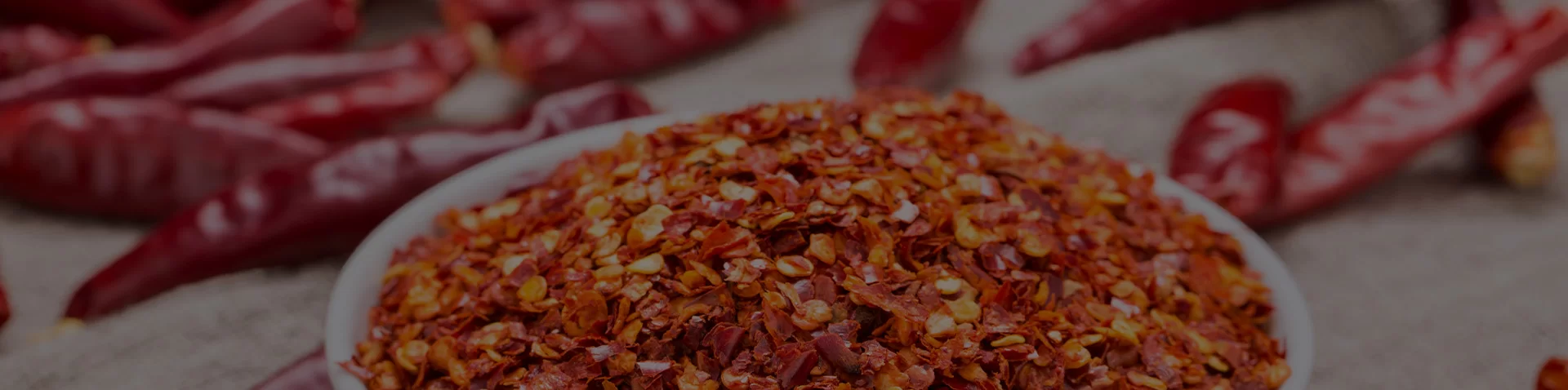
Spice Supply Thailand Premium Chili Processing Solutions for the Thailand Food Industry
Lorem ipsum dolor sit amet, consectetur adipisicing elit,
High-capacity supply of deep-processed chili products tailored for seasoning and condiment production.


Balancing authentic pungency with industrial stability across Thai food processing chains.
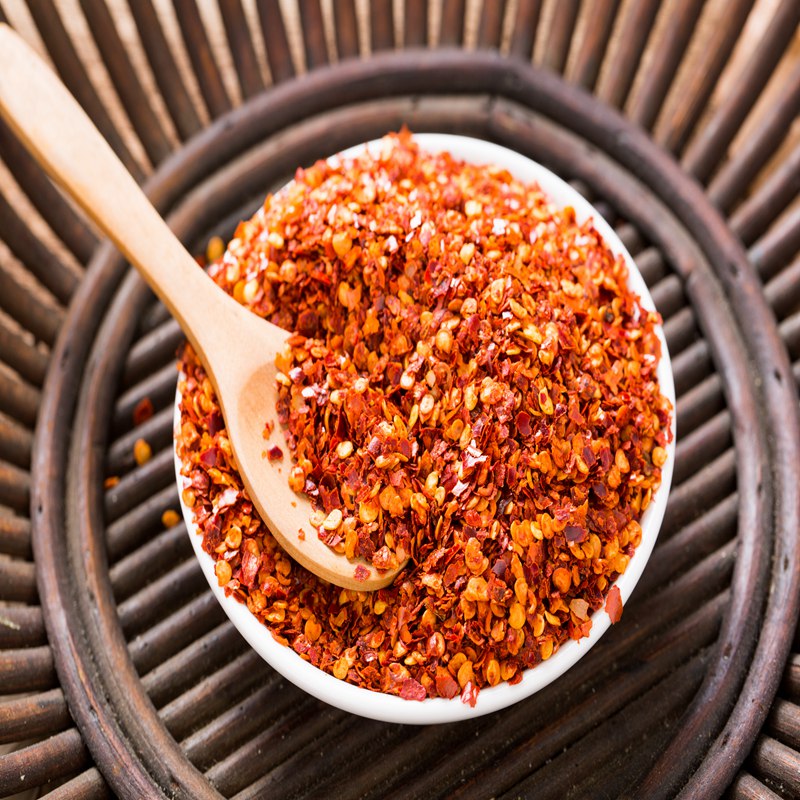
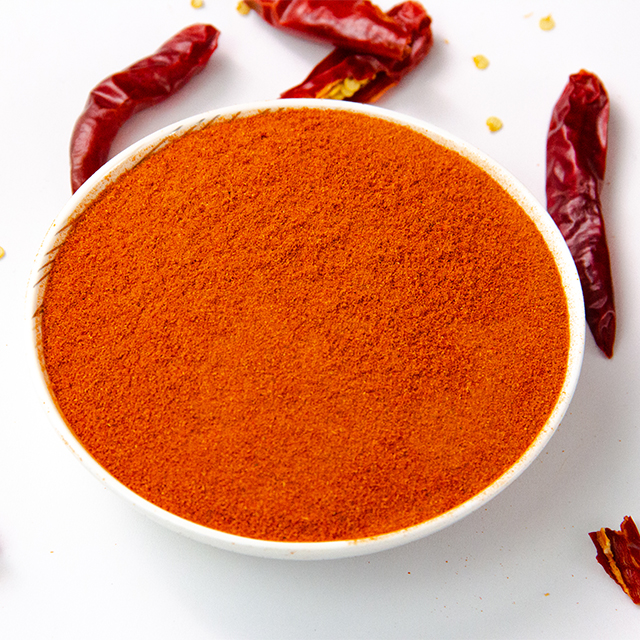
The Thai food manufacturing landscape is characterized by a high demand for precise heat levels and vibrant natural colors. For producers of sauces and ready-to-eat meals, sourcing consistent crushed chilli powder is critical to avoid batch-to-batch variance in pungency, which can alienate local consumers accustomed to specific spice profiles.
Supply chain efficiency in the region often hinges on the ability to source deep-processed ingredients that reduce on-site labor. The shift toward pre-processed, high-purity spices allows manufacturers to scale production without compromising the traditional flavor characteristics required for Southeast Asian markets.
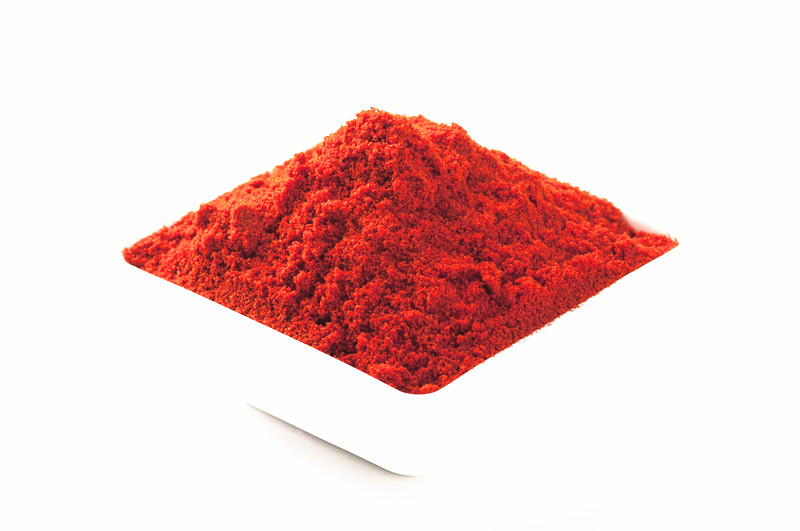
For procurement managers, this means prioritizing suppliers who control the raw material source. By utilizing a dedicated farm-to-factory model, manufacturers in Thailand can ensure that their paprika red pepper and other chili derivatives meet strict quality benchmarks for both color stability and microbial safety.
From basic grinding to advanced deep processing for global exports.
Focus on basic drying and coarse grinding for local market distribution.
Adoption of specialized cuts, oils, and precision powders for industrial food use.
Implementation of farm-to-factory traceability and customized spice solutions for worldwide markets.
Manufacturers are moving away from generic powders toward specific Scoville ranges to maintain brand consistency.
Increased demand for pure, additive-free chili pepper crushed products to meet health-conscious consumer trends.
Rising use of infused oils to provide immediate flavor release in processed snack foods.
Adapting to the technical requirements of the next decade.
Moving toward micron-level control of particle size for better suspension in sauces.
Prioritizing direct-farm sourcing to ensure environmental compliance and ethical labor.
Enhanced techniques for chili seed oil to preserve volatile aromatic compounds.
Developing pre-mixed industrial bases that combine heat and color for efficiency.
As the Thai food industry integrates more with global export markets, the requirement for rigorous quality control becomes paramount. The transition toward standardized deep processing ensures that the aromatic profile of the chili remains stable during long-distance shipping and extended shelf life.
Buyers should evaluate suppliers based on their ability to provide consistent technical specifications. A supplier with a dedicated farm can better guarantee the raw material purity, which directly impacts the final color and pungency of the processed food product.
Practical deployments of processed chili across diverse food sectors.
Using sweet chili flakes to provide texture and controlled heat in bulk sriracha or sweet chili sauce lines, ensuring consistent viscosity and appearance.
Applying fine crushed chili powder to extruded snacks, where uniform particle size is essential for even coating and preventing flavor clumps in high-volume production.
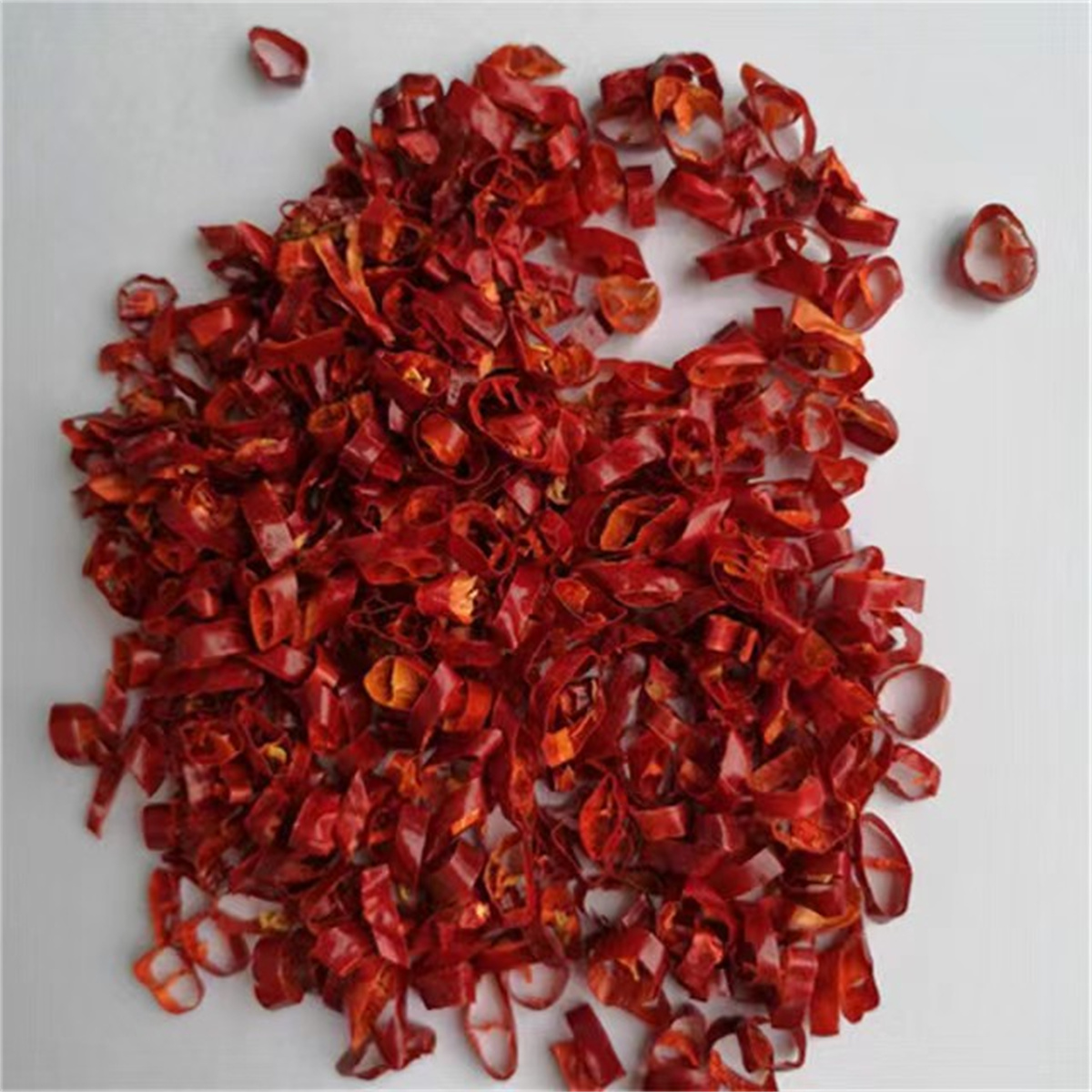
Integrating precision-cut chili and seeds to provide authentic visual appeal and pungent flavor in dehydrated meal components for the export market.
Utilizing high-purity seed oil for the creation of premium chili oils used in upscale Thai restaurants and gourmet retail products.
Mixing paprika red pepper with other regional spices to create a standardized color base for large-scale seasoning blends used in the meat processing industry.
From local roots to a global footprint in chili processing.
Established as a dedicated facility specializing in the deep processing of chili products, focusing on quality from the source.
Developed dedicated farming operations to control raw material quality, enabling the production of premium chili powder, cuts, and oils.
Expanded influence to Japan, Korea, Germany, the USA, Canada, Australia, New Zealand, and other global markets through strong distribution partnerships.
High-performance ingredients for global food manufacturers and distributors.
Technical and procurement guidance for industrial spice buyers.
Looking for consistent, industrial-grade chili solutions in Asia - Thailand? Our deep processing capabilities can support your food manufacturing needs with precision and scale.
Discuss Your Requirements