



Market Insights
The Chili Spice Landscape in Kenya
Understanding the demand dynamics for industrial-grade chili products in East Africa.
Kenya's food manufacturing sector is characterized by a growing appetite for bold, spicy flavor profiles, driven by both traditional culinary habits and the rise of processed convenience foods. The market relies heavily on imported high-grade chilies to maintain the pungent heat and vivid red color required for sauces, snacks, and seasoned meats. While local farming exists, the gap in deep-processing infrastructure means that most industrial users seek partners who can provide pre-processed, stabilized ingredients like sweet chili flakes to ensure operational efficiency.
Current trends show a shift toward "clean label" ingredients. Kenyan food companies are increasingly demanding spices that are free from artificial fillers and contaminants. This shift is driving a move away from generic wholesalers toward direct relationships with specialized processing plants. Furthermore, the demand for specialized oils, such as chili seed oil, is rising as the local cosmetics and gourmet food sectors expand, requiring high-purity extracts that can maintain stability under tropical temperatures.
The outlook for the Kenyan market is bullish, provided that supply chains can overcome logistical bottlenecks. The primary opportunity lies in providing consistent, high-volume shipments of standardized spice grades that allow local factories to scale without fearing recipe drift. However, stringent import regulations and food safety checks mean that only suppliers with transparent traceability—from the farm to the final powder—can successfully penetrate the high-end industrial segment in Nairobi and Mombasa.
Our Growth
Evolution of Spice Processing
From a local vision to a global presence in the chili deep processing industry.
1996
Founding Phase
Established as a dedicated facility focusing on the basic processing of homegrown chilies to bring authentic spice to the regional market.
Expansion Era
Deep Processing Shift
Transitioned from simple drying to advanced deep processing, introducing specialized products like Gochugaru and sweet paprika.
Current Phase
Global Integration
Now operating as a global leader, supplying high-quality chili products to Japan, Korea, Germany, USA, Canada, and Australia.
Vertical Integration Model
By combining our own dedicated farms with a high-tech processing plant, we have closed the gap between cultivation and delivery. This model ensures that the raw chili is processed immediately after harvest, preserving the peak potency and color that industrial clients in Kenya require for their formulations.
Technological Refinement
The shift toward automated grinding and sorting has reduced human error and contamination. Our current processes focus on precise micron-level control for powders, ensuring that a food manufacturer in East Africa receives the exact texture needed for seamless integration into their mixing vats.
Sustainable Sourcing
Innovation now focuses on sustainable farming and energy-efficient drying. We are redefining the spice industry by implementing values of sustainability, ensuring that the global demand for chili products does not compromise the ecological health of our dedicated growing regions.
Future Outlook
Global Trends in Chili Manufacturing
How innovation is reshaping the way the world sources and uses capsaicin-based products.
Precision Heat Grading
The industry is moving toward Scoville-specific grading. Manufacturers now require exact heat levels to maintain consistent taste profiles, leading to a surge in demand for scientifically analyzed chili powders.
Cold-Press Extraction
To preserve the natural aroma and nutrients, there is a shift toward cold-processing techniques for oils. This prevents the degradation of volatile compounds, resulting in a superior grade of chili seed oil.
Packaging Innovation
Vacuum-sealed and nitrogen-flushed packaging are becoming standard to prevent oxidation. This is critical for long-distance shipping to Africa, ensuring the product arrives as fresh as it left the factory.
Functional Spice Blends
The market is evolving from single-ingredient sourcing to complex ODM blends. Companies now request specific "base powders" that can be easily customized into regional flavor profiles.
The convergence of biotechnology and traditional farming is allowing for the development of chili varieties with higher capsaicin content and more vivid colors. For industrial users, this means a lower volume of spice is required to achieve the same sensory impact, effectively reducing the cost per unit of the final food product. This efficiency is particularly valuable for large-scale manufacturers in Kenya who are looking to optimize their raw material expenditures without compromising the bold taste their customers expect.
Furthermore, the global focus on traceability is no longer optional. AI-driven supply chain tracking is enabling buyers to verify the origin of their spices, ensuring they are sustainably sourced and free from unethical labor practices. Xuri Food’s model of direct farm ownership places us at the forefront of this trend, providing an audited path from the soil to the shipping container, which significantly reduces the regulatory risk for our international partners.
Application Guide
Industrial Use Cases in Kenya
How our deep-processed chili products are applied across various Kenyan sectors.
01
Commercial Snack Production in Nairobi
A large-scale snack manufacturer requires a consistent coating for spicy potato chips. Using our chili pepper crushed, they achieve a uniform distribution of heat and color. The standardized mesh size prevents clumping in the seasoning drums, ensuring every chip has an identical flavor profile, which is critical for maintaining brand loyalty in the competitive urban market.
02
Industrial Sauce Manufacturing in Mombasa
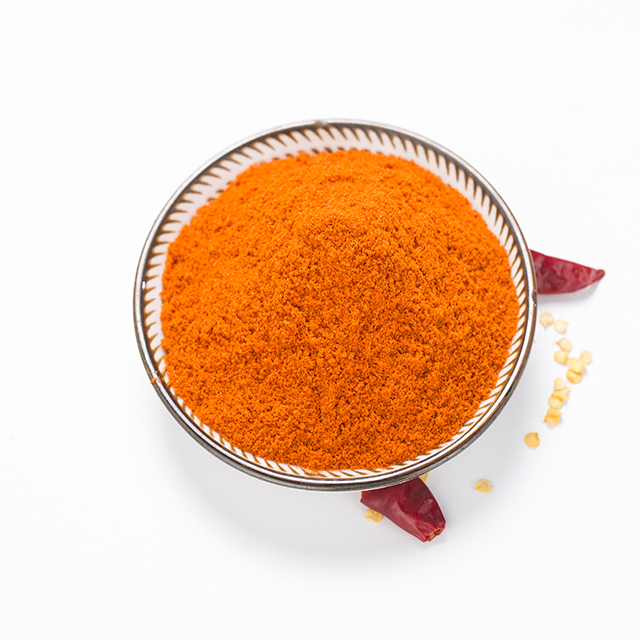
A hot sauce producer needs a high-vibrancy red base. By utilizing our paprika red pepper, they can achieve a deep, rich color without adding artificial dyes. The low moisture content of the powder ensures the sauce remains stable during long-term storage in the humid coastal environment, reducing the need for excessive preservatives.
03
Gourmet Restaurant Chains in East Africa
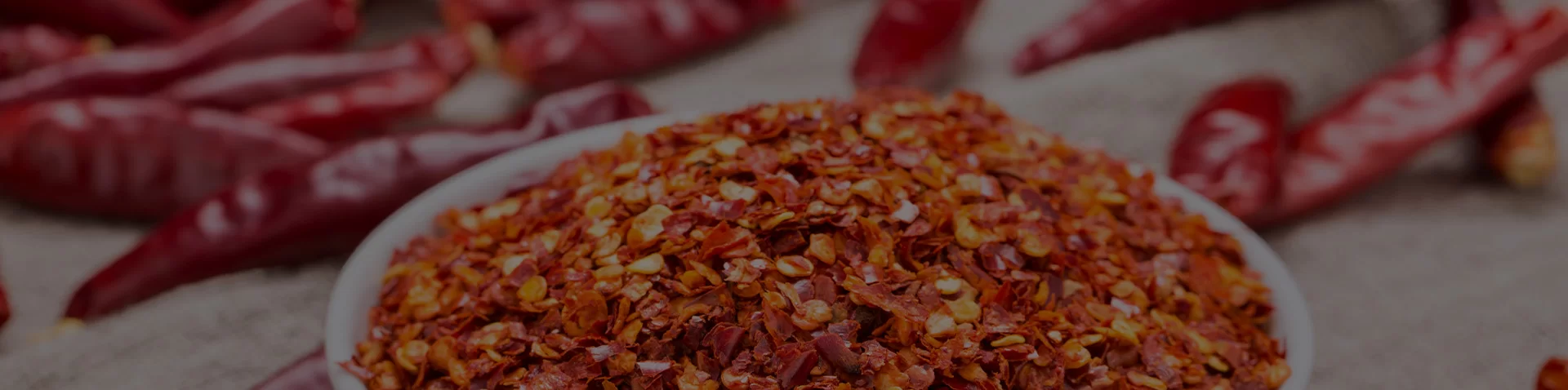
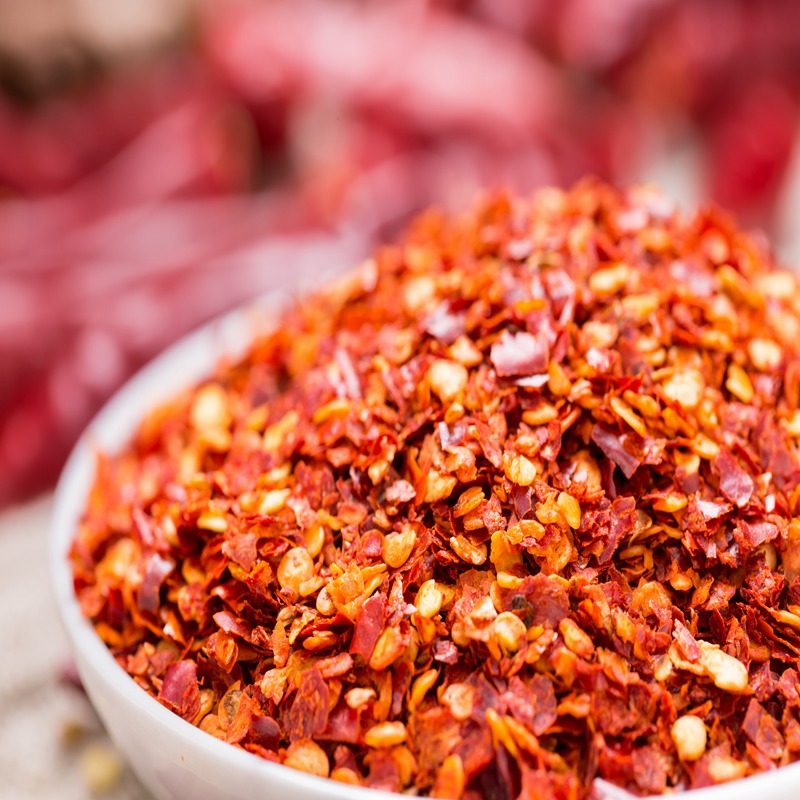
High-end culinary groups use our sweet chili flakes as a premium garnish and ingredient. Because our flakes are processed to retain their physical structure and aromatic oils, they provide a visual and olfactory appeal that lower-grade local alternatives lack, elevating the presentation and taste of fusion dishes.
04
Cosmetic and Wellness Labs in Kenya
Local wellness companies incorporate chili seed oil into topical warming creams. The high purity and lack of impurities in our oil prevent skin irritation and ensure the active capsaicin is delivered consistently. This requires a level of deep processing that only a dedicated industrial facility can provide.
05
Meat Processing Plants in Central Kenya
Industrial sausage and deli meat producers use our crushed chilli powder for curing and seasoning. The consistent heat grade prevents "hot spots" in the meat, ensuring a balanced flavor that meets consumer expectations across different batches, while the professional drying prevents microbial growth in the raw product.
Industry Perspectives
Representative Deployment Scenarios
How professional spice procurement transforms food production efficiency.
Implementing a direct-from-factory supply chain for chili powders allows a manufacturer to eliminate the variance found in local markets. By using standardized grades, a company can lock in its flavor profile and reduce the time spent on batch adjustments during production.
For distributors, the key is shelf-life and purity. Sourcing from a facility that controls the farm means less risk of contamination and better moisture control, which is essential when transporting spices through varying climates to reach end consumers.
Precision in mesh size and color is what separates premium brands from generic ones. Utilizing professional deep-processed paprika ensures a consistent visual identity for the product, which is a major driver in consumer purchasing decisions.
Our Legacy
The Story of Xuri Food
A journey of passion, quality, and global expansion in the world of spices.
1996
Company Foundation
Longyao County Xuri Food Co., Ltd. was established with a bold vision to bring the intense, authentic flavors of homegrown chilies to a wider audience, focusing on quality and authenticity from day one.
Growth Phase
Deep Processing Mastery
We evolved into a leading deep processing facility, perfecting our ability to produce a diverse range of products including chili powder, crushed chili, and specialized paprika, while establishing our own dedicated farm for total quality control.
Present
Global Footprint
Today, Xuri Food is a global leader, with a presence in Japan, Korea, Germany, USA, Canada, Australia, and New Zealand, partnering with distributors to redefine the spice industry through innovation and sustainability.

Premium New Generation Dried Chili Peppers Suppliers and Factory in China

Premium Sweet Paprika Powder China Suppliers High ASTA Factory

Premium Sweet Paprika Powder Suppliers in China | High ASTA Quality Factory

Premium Hot Chili Powder 1000015000 SHU China Factory Suppliers
Expert Support
Frequently Asked Questions
Everything you need to know about sourcing industrial chili products from Xuri Food.
What makes Xuri Food's deep processing different from standard drying?
Standard drying often results in uneven heat distribution and loss of volatile oils. Our deep processing involves controlled temperature environments, precision grinding, and systematic purification. This mechanism ensures that the capsaicin levels and color pigments are preserved, providing an industrial-grade product that remains stable throughout its shelf life, which is essential for manufacturers who cannot afford flavor drift between batches.
How do you ensure the consistency of heat levels across different shipments?
Consistency is achieved through vertical integration. Because we operate our own dedicated farms, we control the variety of seeds, soil conditions, and harvest timing. After harvest, we use blending techniques to normalize the heat and color of the batch before processing. This means that whether you order today or in six months, the sensory profile of our chili powder will remain identical, allowing you to maintain a constant recipe.
Can your products handle the humidity and temperature of the Kenyan market?
Yes. We specifically optimize the water activity (aw) of our powders and flakes during the drying process to prevent mold and clumping in tropical climates. Additionally, we offer industrial-grade packaging options, including moisture-barrier liners and vacuum sealing, which protect the product from the humid conditions found in coastal areas like Mombasa, ensuring it arrives in peak condition.
What are the typical lead times for bulk orders shipping to East Africa?
Lead times depend on the volume and specific product grade. Because we are a high-capacity facility, we maintain strategic buffers of our most popular products. Once an order is confirmed, processing is rapid. However, shipping to Kenya involves international maritime logistics, so we recommend planning orders 8-12 weeks in advance to account for transit and customs clearance, though we work with experienced logistics partners to optimize this flow.
Do you offer ODM services for customized spice blends for the Kenyan market?
Absolutely. We provide ODM (Original Design Manufacturing) services where we can adjust the grind size, heat level, and blend ratios to meet your specific product requirements. Whether you need a milder paprika for a mass-market snack or an intense crushed chili for a specialty sauce, our technical team can develop a specification that aligns with your target consumer's palate in Kenya.
How should I choose between crushed chili and fine powder for my application?
The choice depends on the desired sensory impact. Fine powder is best for homogeneous mixing in sauces, meats, and seasonings where a smooth texture is required. Crushed chili or flakes are ideal for products where visual appeal and "bursts" of heat are desired, such as in garnishes or artisanal snacks. We recommend requesting samples of both to test the integration into your specific production process.
Ready to Scale
Secure Your Premium Chili Supply Chain in Kenya
Whether you are a large-scale food manufacturer in Nairobi or a growing spice distributor in Mombasa, Xuri Food provides the stability, purity, and scale your business needs. Avoid the risks of inconsistent local sourcing and elevate your product quality with our certified deep-processed chili solutions. Contact us today to discuss your volume requirements and request a technical specification sheet.
Discuss Your Requirements


