

SPICE MANUFACTURING Premium crushed chilli powder Supply Chain Solutions for Myanmar Markets
Lorem ipsum dolor sit amet, consectetur adipisicing elit,
Providing high-stability spice solutions for food manufacturers and wholesale distributors across Myanmar, ensuring consistent heat and color profiles.
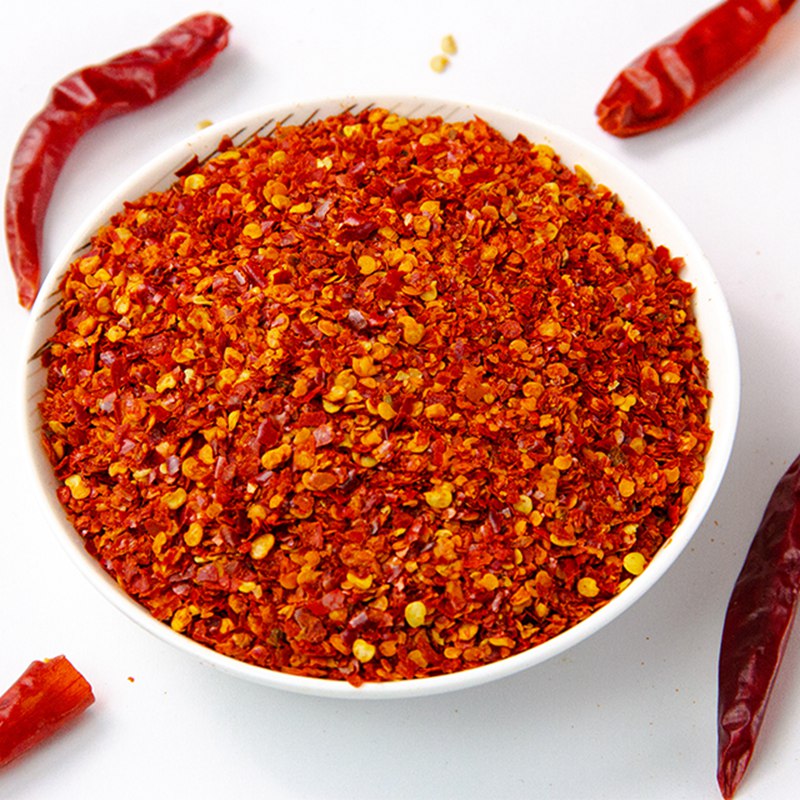
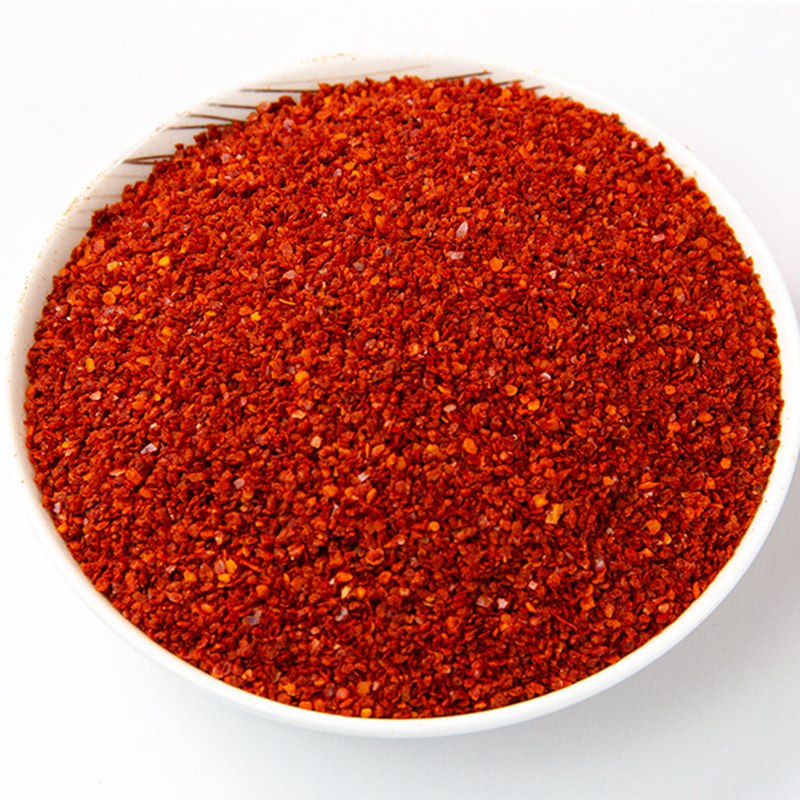

Analyzing the transition from raw spice sourcing to processed industrial ingredients.
The Myanmar food industry is characterized by a strong cultural preference for bold, pungent flavors. In cities like Yangon and Mandalay, the rise of processed food manufacturing has created a significant gap in the supply of standardized spices. Local producers often struggle with consistency in heat levels and color, making the import of professionally deep-processed chili products essential for maintaining brand quality in the competitive snack and condiment sectors.
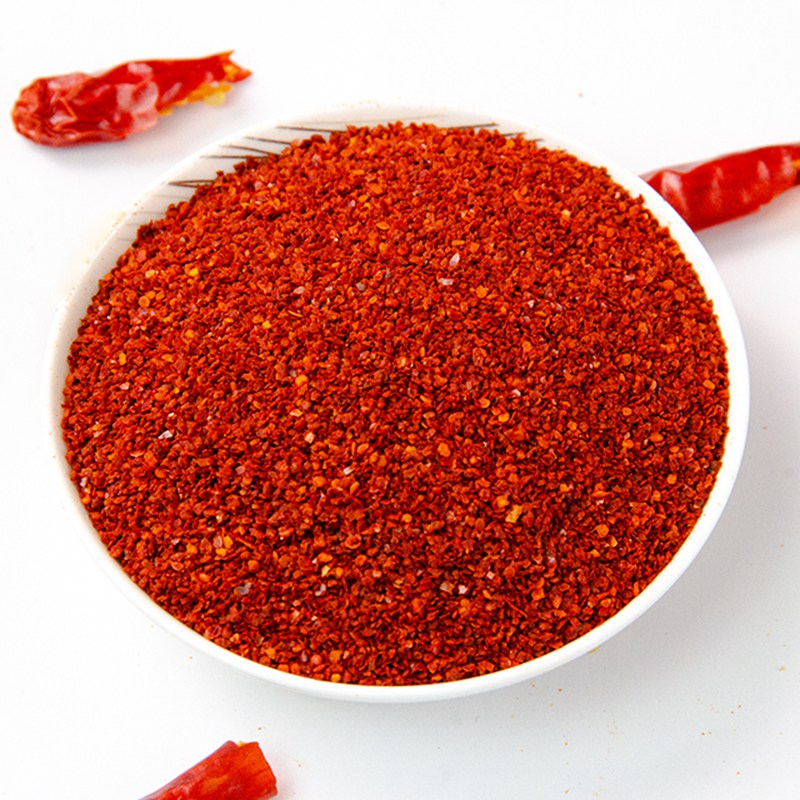
One of the primary challenges for Myanmar's distributors is the volatility of local crop quality and the lack of advanced drying and grinding facilities. This lead to issues with moisture content and fungal contamination. By integrating a reliable global supply chain, businesses can access high-grade chili pepper crushed that meets international food safety standards, reducing waste and improving the efficiency of large-scale food production.
The opportunity now lies in the diversification of the palate. There is a growing trend toward gourmet and fusion products, increasing the demand for specific textures and heat profiles. Whether it is the vibrant hue of premium paprika or the specific viscosity of specialized oils, Myanmar's food industry is shifting toward a "solution-based" procurement model where consistency and purity are the primary drivers of commercial value.
From traditional farm-drying to precision deep-processing and international distribution.
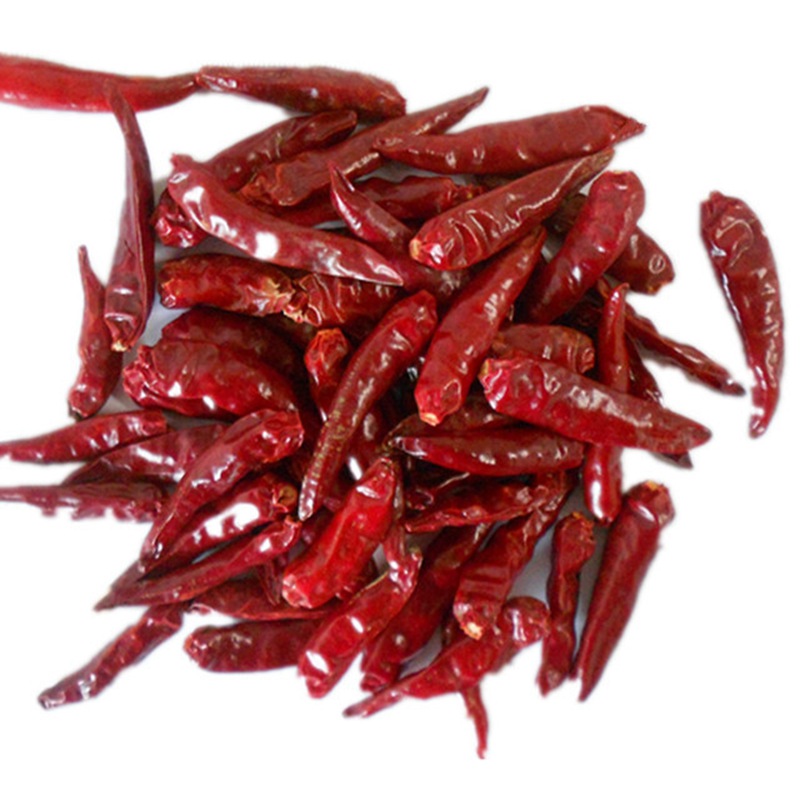
Reliance on open-air drying and manual grinding, resulting in high variability in spice potency and purity.
Introduction of mechanized milling and controlled drying, allowing for the first standardized export grades.
Implementation of precision cutting, seed oil extraction, and ODM powder solutions for global food giants.
How technology and consumer preferences are reshaping chili product manufacturing.
The shift toward micron-level consistency in powder and flakes to ensure automated mixing systems in factories operate without clogging.
Utilizing advanced drying techniques that preserve the natural capsaicin and antioxidants, maintaining the biological value of the pepper.
The rise of "Original Design Manufacturing" where spice profiles are tailored to specific regional tastes, such as the unique requirements of the SE Asian market.
Increased demand for "Farm-to-Fork" traceability, ensuring that chili products are free from illegal additives and pesticides.
The future of the spice industry in regions like Myanmar depends on the ability to transition from bulk commodity trading to value-added processing. By focusing on high-purity derivatives, manufacturers can capture more value and provide a more stable product to the end consumer.
From a logistics perspective, the integration of specialized storage and moisture-controlled transport is becoming the new standard for maintaining the integrity of crushed and powdered chili during long-distance transit.
Integrating professional chili derivatives into diverse food production environments.
Large-scale manufacturers in Yangon use standardized crushed chili powder to create consistent flavor coatings for spicy snacks, ensuring every batch meets the exact heat profile required by the brand.
Commercial kitchens and sauce plants utilize premium chili seed oil as a base for spicy emulsions, providing a deep, aromatic heat that is more stable than traditionally infused oils.
High-end hospitality services in Myanmar's tourism hubs employ sweet chili flakes to add visual appeal and a balanced, sweet-spicy contrast to international fusion dishes.
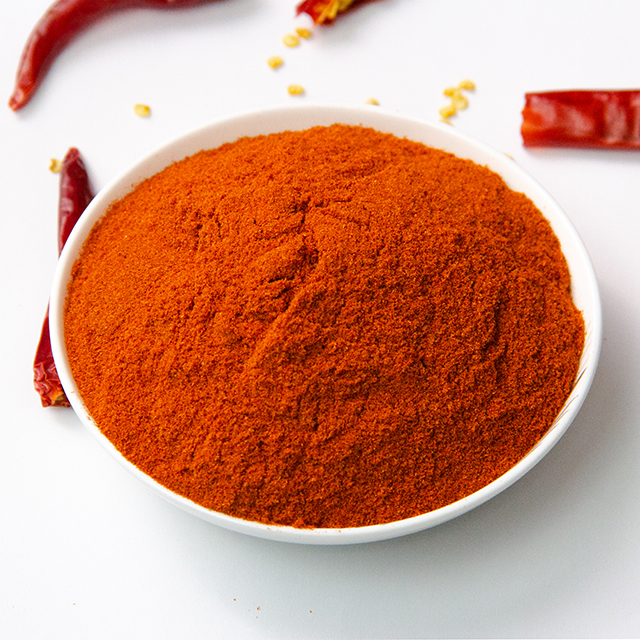
Local distributors repackage high-purity paprika red pepper for the retail market, catering to home cooks who demand a professional, vibrant red color without artificial dyes.
Regional franchise operators use pre-mixed chili solutions to ensure that a dish served in Mandalay tastes exactly the same as one served in Naypyidaw, eliminating human error in spice dosing.
The global development journey of Longyao County Xuri Food Co., Ltd.
Established with a vision to bring the intense, authentic flavors of homegrown chilies to a wider audience through professional processing.
Focused on perfecting deep-processing techniques, expanding the product line to include various cuts, powders, and specialized oils.
Established strong partnerships with distributors in Japan, Korea, Germany, the USA, Canada, Australia, and New Zealand.
Developed dedicated farms to secure the highest quality raw materials, ensuring total control from seed to final product.
Operating as a leading deep processing facility committed to quality, innovation, and sustainability in the global spice market.
Striving to redefine the industry by providing not just ingredients, but culinary experiences that empower food companies worldwide.
Explore our full range of deep-processed chili solutions designed for wholesalers, food manufacturers, and spice enthusiasts.
Expert answers to common questions regarding industrial chili product sourcing and application.
Partner with Longyao County Xuri Food Co., Ltd. to access professional deep-processed chili products that ensure consistency, quality, and commercial success for your brand.
Request Industrial Quote