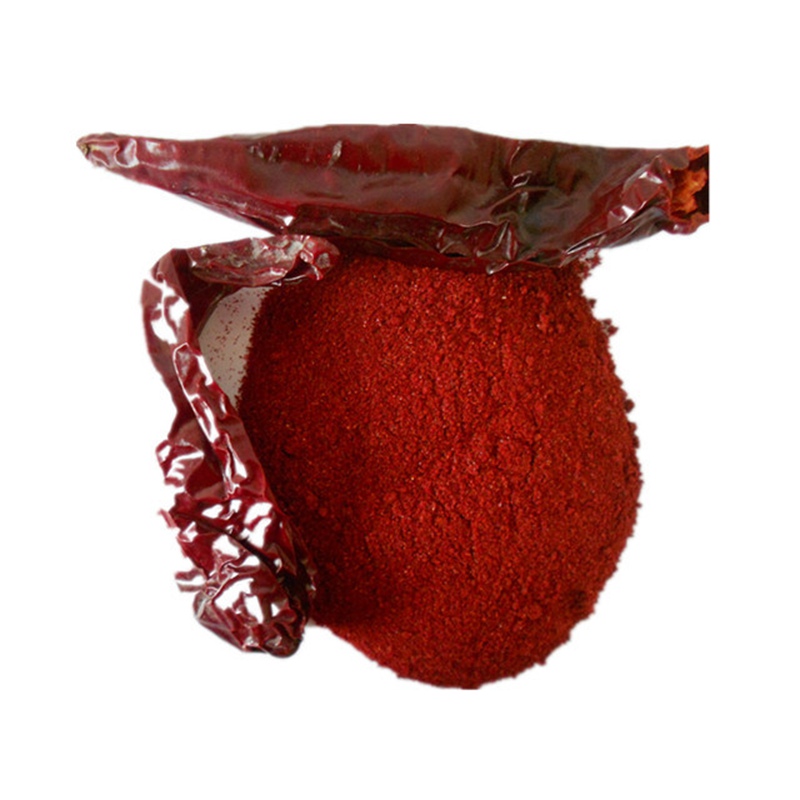
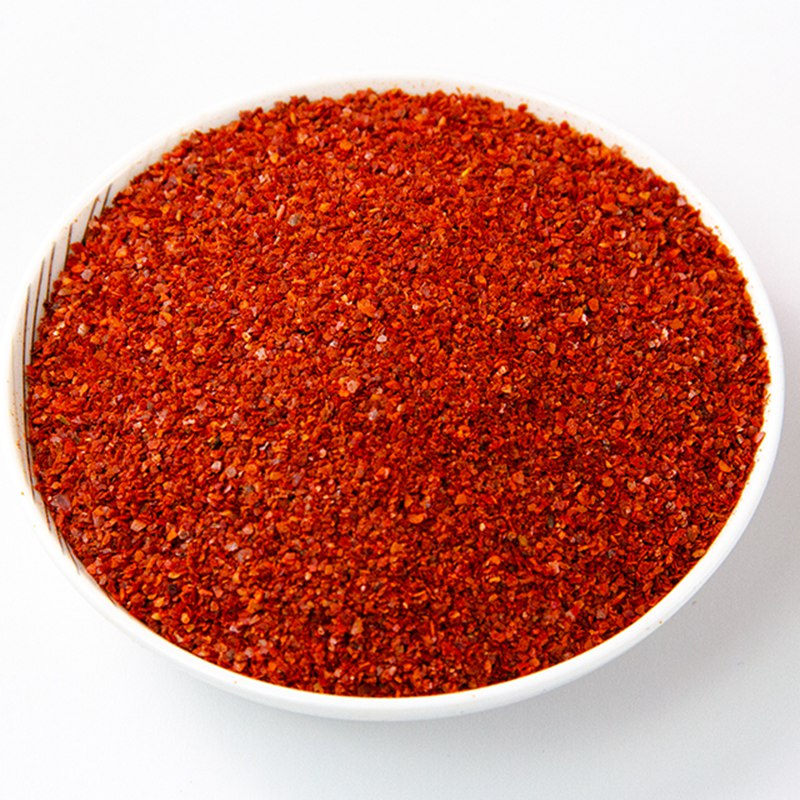
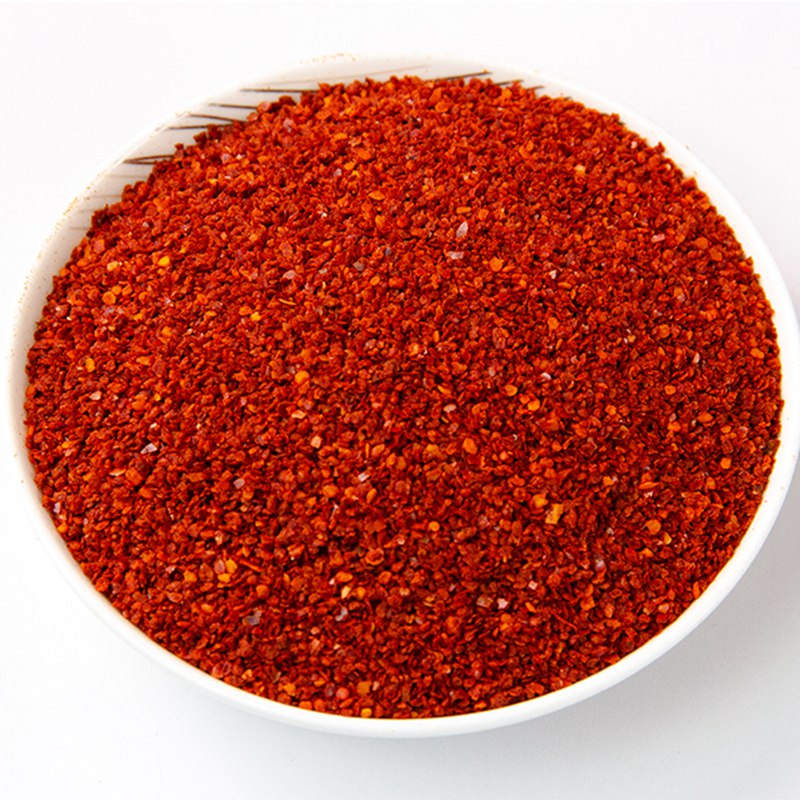
Premium paprika red pepper Solutions for Philippines Food Industry

Premium paprika red pepper Solutions for Philippines Food Industry

Premium paprika red pepper Solutions for Philippines Food Industry

Lorem ipsum dolor sit amet, consectetur adipisicing elit,

Premium paprika red pepper Solutions for Philippines Food Industry

Elevating the flavor profiles of Southeast Asian cuisine with industrial-grade spice manufacturing and consistent heat levels.

Premium paprika red pepper Solutions for Philippines Food Industry

Providing the Philippines' food processing sector with high-stability, vibrant, and aromatic chili derivatives designed for large-scale production.

Spice Manufacturing Landscape in the Philippines

Analyzing the intersection of tropical climate challenges and the rising demand for processed condiments.

The Philippines' condiment market is characterized by a strong preference for a balance of sweet, sour, and spicy flavors. However, the humid tropical climate often poses significant challenges for the storage and shelf-life of sweet chili flakes, leading to rapid moisture absorption and loss of potency if not processed with advanced dehydration technology.

Currently, local food manufacturers are shifting from artisanal batch processing to standardized industrial inputs. There is a critical need for consistent chili seed oil that maintains a stable capsaicin level, ensuring that mass-produced sauces and snacks maintain a uniform taste across different regions from Luzon to Mindanao.

Economic growth in the urban centers like Metro Manila has accelerated the demand for "convenience spices." This has created a surge in the import and local processing of crushed chilli powder to supply the growing quick-service restaurant (QSR) sector and the expanding frozen food industry.
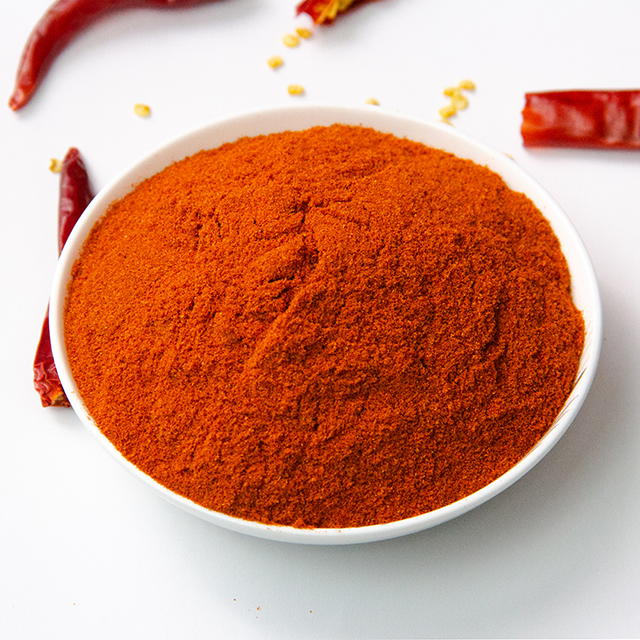
Evolution of Chili Processing Technology

From traditional sun-drying to precision-controlled industrial fermentation and milling.

Market Development History

In the early 2000s, the Philippine market relied heavily on traditional sun-drying methods. While authentic, this led to high contamination rates and inconsistent moisture levels in chili pepper crushed products, making them unsuitable for strict international export standards.

Between 2010 and 2020, the industry transitioned toward mechanical dehydration and cold-grinding technology. This period saw the introduction of standardized paprika red pepper powders that offered vibrant colors without the use of artificial dyes, catering to a more health-conscious consumer base.

Since 2021, the focus has shifted toward "Precision Flavoring." The integration of centrifugal extraction for oils and vacuum-sealed packaging has revolutionized how the industry handles high-volatility aromatics, ensuring peak freshness upon delivery.

Future Development Trends

AI-Driven Heat Mapping

Future production will utilize AI to analyze the Scoville heat units (SHU) of raw harvests in real-time, allowing for the precise blending of batches to achieve an exact heat profile for every client.

Sustainable Hydroponic Sourcing

To combat climate volatility in Asia, there is a trend toward hydroponically grown chilies, ensuring a year-round supply of raw materials for sweet chili flakes regardless of typhoon seasons.

Clean-Label Extraction

Movement toward CO2 supercritical extraction for chili seed oil to remove all chemical solvents, meeting the strictest global "Clean Label" requirements.

Industry Outlook and Strategic Forecast

Predicting the trajectory of the Philippine seasoning market over the next 5 years.

Hyper-Local Flavorization
Customized heat levels specifically tuned for regional Philippine palates, moving beyond "one size fits all" spicy profiles.
Eco-Friendly Processing
Adoption of solar-powered drying and biodegradable packaging to meet the growing "Green Food" demand in Southeast Asia.
Functional Spices
Integrating health-boosting nutrients into crushed chilli powder, targeting the wellness market.
Digital Supply Chain
Blockchain tracking from the farm to the food factory to guarantee the purity of chili pepper crushed products.

Industry Outlook

Based on Google Search trends in Southeast Asia, there is a marked increase in queries for "natural food colorants" and "low-sodium spicy seasonings." This indicates a shift where the role of paprika red pepper is expanding from a mere flavor agent to a primary natural coloring agent in the Philippine food industry.

We anticipate that the integration of smart-manufacturing will reduce waste by 15-20% over the next three years, making high-quality spice extracts more accessible to SMEs (Small and Medium Enterprises) across the archipelago.

Localized Application Scenarios in the Philippines

Practical integration of premium chili products into popular Filipino culinary applications.

1. Industrial Siling Labuyo Sauce Production

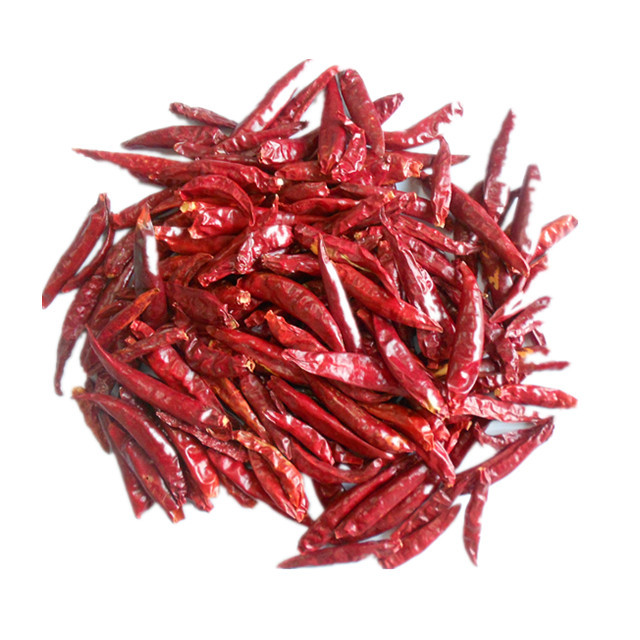
Using high-potency chili pepper crushed to create the base for traditional Filipino hot sauces, ensuring consistent heat levels across thousands of bottles.

2. Gourmet Adobo Spice Blends

Integrating crushed chilli powder into pre-mixed Adobo seasoning packets for the export market, providing a modern spicy twist to a national staple.

3. Commercial Chili Garlic Oil

Utilizing purified chili seed oil as the carrier for fried garlic, creating a shelf-stable, aromatic condiment popular in Filipino households.

4. Savory Snack Extrusions

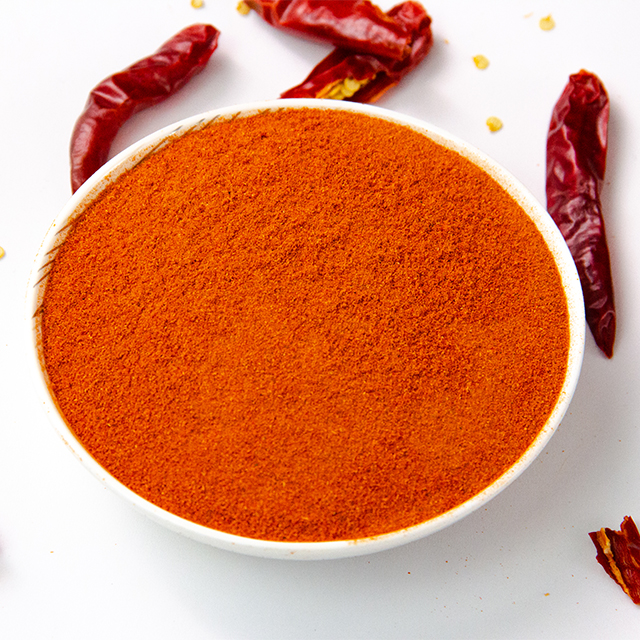
Applying paprika red pepper to corn-based snacks and chicharon to achieve a vibrant red hue and a mild, smoky flavor profile.

5. Sweet-Spicy Glazes for Lechon

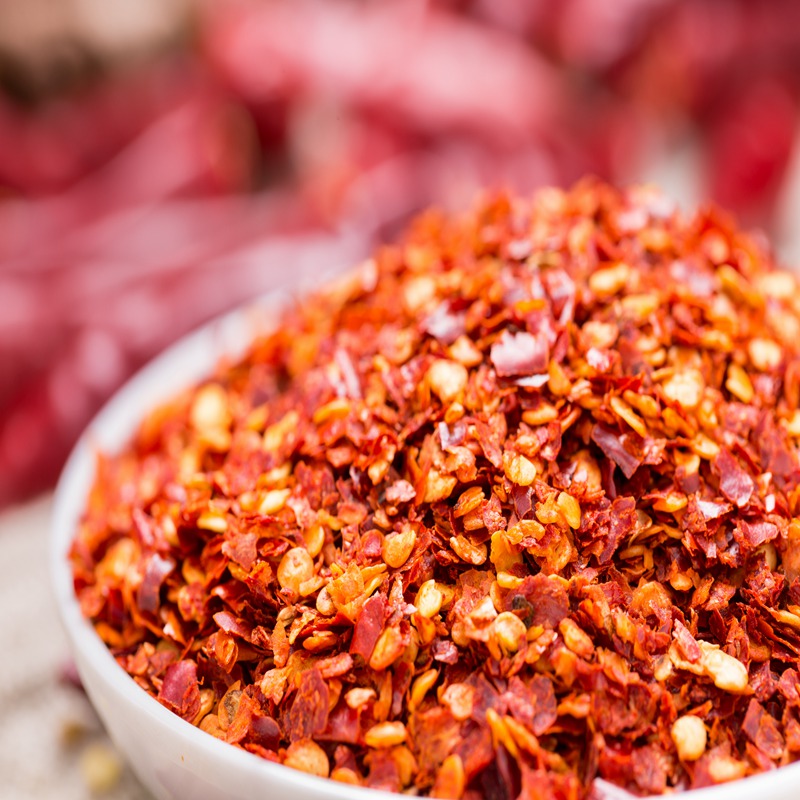
Incorporating sweet chili flakes into basting glazes for roasted meats, adding visual texture and a balanced heat that complements the richness of the meat.

Brand Story

Global Development Journey of Longyao Xuri Food Co., Ltd.

Foundational Excellence

Established with a commitment to purity, we began by mastering the art of chili dehydration, solving the age-old problem of spoilage in raw spice processing.

Technological Leap

We invested in advanced milling and extraction technologies to ensure that our particles are uniform, catering to the precise needs of industrial food manufacturers.

Global Standardization

By achieving international food safety certifications, we bridged the gap between traditional farming and the stringent requirements of the global export market.

Asia-Pacific Expansion

Focusing on Southeast Asian markets, we tailored our product range to suit the unique humidity and flavor preferences of regions like the Philippines.

Vision for the Future

Our mission is to remain the world's most reliable partner in spice manufacturing, eliminating batch inconsistency for food brands worldwide.

Complete Chili Product Portfolio for the Philippines

A comprehensive range of heat and color solutions designed for industrial food production.

Frequently Asked Questions - Philippines Market

Expert answers to common technical and logistical queries regarding spice imports.

How do you ensure the stability of sweet chili flakes in humid climates?

We utilize low-temperature vacuum drying and multi-layer moisture-proof packaging to prevent clumping and maintain flavor intensity during transit to the Philippines.

Can the Scoville heat units of your crushed chilli powder be customized?

Yes, we provide precision blending services to meet specific SHU requirements, ensuring your product maintains the exact same heat level in every batch.

Is your paprika red pepper free from artificial coloring agents?

Absolutely. Our paprika is 100% natural, derived from high-quality peppers through a controlled drying process that preserves the natural carotenoids.

What is the shelf life of industrial chili seed oil?

Our oils are processed to remove impurities that cause oxidation, typically offering a shelf life of 12-24 months when stored in cool, dark environments.

Do you provide samples for chili pepper crushed testing?

We offer industrial-grade samples to food technologists for lab testing to ensure our product integrates perfectly with your existing formulations.

What certifications do you hold for food safety exports?

We adhere to global standards including ISO and HACCP, ensuring that all exports to the Philippines meet strict hygiene and quality benchmarks.

Ready to Scale Your Production?

Contact our spice experts today for customized bulk solutions tailored for the food industry in Philippines.

Contact Us Now

If you are interested in our products, you can choose to leave your information here, and we will be in touch with you shortly.