



Market Insights
The Spice Landscape in Qatar
Analyzing the demand and operational dynamics of the Qatari food processing sector.
Qatar's culinary market is characterized by a diverse expatriate population and a growing gourmet food sector, driving a high demand for premium condiments. The local food manufacturing industry relies heavily on imported raw materials, specifically deep-processed chili products. Given the arid climate, local production of high-heat chilies is limited, making the region dependent on international suppliers who can provide consistent quality and large-scale volume. The market is shifting towards "clean label" ingredients, where transparency in the supply chain is highly valued by B2B buyers.
Current trends in Qatar indicate an increasing preference for specialized spice formats. There is a notable rise in the demand for sweet chili flakes for the hospitality sector and high-purity chili seed oil for industrial sauce production. This shift is driven by the expansion of the Qatari HORECA (Hotel, Restaurant, and Catering) sector and a growing consumer interest in authentic, bold flavors. Consequently, distributors are seeking partners who can provide customized particle sizes and heat levels to meet specific regional taste profiles.
The outlook for the Qatari spice market is one of professionalization. Importers are moving away from generic trading companies toward direct partnerships with processing facilities. The primary constraint remains the logistical challenge of maintaining spice potency during long-distance shipping. However, companies that implement vacuum packaging and humidity-controlled transport are gaining a competitive edge. The opportunity lies in providing high-stability, organic-compliant chili products that can withstand the regional temperature extremes while maintaining flavor integrity.
Industry Evolution
The Progression of Chili Processing
From traditional sun-drying to industrial-scale deep processing technology.
Traditional Era
Basic Drying
Early spice production relied on open-air sun drying, which was subject to weather instability and contamination, resulting in inconsistent quality and low shelf life.
Industrialization
Mechanical Milling
The introduction of mechanical grinders and industrial dryers allowed for larger volumes and more uniform powders, though heat control remained a challenge.
Modern Phase
Deep Processing
Current standards focus on deep processing, integrating farm management with precision milling and scientific grading to ensure absolute consistency in color and heat.
Precision Heat Standardization
The industry has moved beyond "hot" or "mild" to specific Scoville scale targets. Modern processors use blending technology to ensure that every shipment has the exact same pungency, eliminating the risk of recipe failure for food manufacturers.
Enhanced Color Preservation
The focus has shifted to preserving natural astaxanthin and capsanthin. By optimizing the drying temperature and avoiding oxidation, processors can now deliver vibrant red powders that replace synthetic dyes in commercial food production.
Traceable Supply Chains
Digital traceability from seed to shipment is becoming mandatory. The integration of farm-level data allows buyers to verify the origin, pesticide use, and harvesting date, meeting the growing demand for food safety transparency.
Future Outlook
Emerging Trends in Global Spice Processing
How technology and consumer behavior are reshaping the chili industry.
Cold-Press Extraction Tech
Increased adoption of low-temperature extraction for chili oils to preserve volatile aromatic compounds that are usually lost in high-heat processing, resulting in a more complex flavor profile.
Clean-Label Certification
The industry is moving towards zero-additive processing. This involves removing anti-caking agents and artificial colors, relying instead on purity and precise processing to meet consumer health demands.
Customized Particle Mesh
Moving beyond "powder" to specific micron-level mesh sizes. Manufacturers now request exact particle diameters to control the rate of dissolution and visual appearance in high-end sauces.
Sustainable Sourcing
Integrating regenerative farming practices to reduce water usage and soil degradation. This ensures long-term raw material security and appeals to the environmentally conscious corporate buyer.
The global transition toward deep processing is essentially a move toward scientific predictability. For the Qatari market, this means that the risk of "bad batches" is being mitigated by facilities that can prove their process control. The integration of automated sorting and precise moisture analysis ensures that the final product has a stable shelf life, which is critical for the logistics of importing into the Middle East.
Furthermore, the rise of ethnic fusion cuisine in Qatar is creating niche demands for hybrid products, such as gochugaru-style blends or smoked paprika. Processors who can pivot their production lines to create these specific flavor profiles while maintaining industrial volume will dominate the next decade of the spice trade, shifting the value proposition from simple commodity supply to specialized solution providing.
Practical Applications
Industrial Use Cases in Qatar
How our chili products are integrated into local commercial operations.
01
Doha-Based Commercial Sauce Manufacturing
A local sauce plant requires large volumes of consistent crushed chilli powder. Due to high humidity in coastal areas, they face clumping issues. By using our deep-processed powder with optimized moisture levels, they achieve a smooth emulsion in their automated mixing tanks, reducing production downtime and eliminating the need for excessive anti-caking agents.
02
Luxury Hotel Kitchens in Lusail
Executive chefs in high-end resorts demand vibrant, visually striking garnishes. They utilize our sweet chili flakes, which provide the perfect balance of mild heat and intense red color. Because our flakes are processed to maintain structural integrity, they do not bleed into the dish, providing a professional aesthetic and consistent taste across multiple outlets.
03
Industrial Snack Food Production
A snack manufacturer producing spicy crisps needs a powder that adheres evenly to the product surface. By utilizing our precision-milled paprika red pepper, they ensure a uniform coating that doesn't settle at the bottom of the bag. This results in consistent flavor delivery per serving and reduces raw material waste during the seasoning process.
04
Specialty Spice Importers in Hamad Port
Trading companies importing bulk spices often struggle with degradation during transit. By partnering with Xuri Food, they receive vacuum-sealed, high-density packaging. The deep-processed nature of our products ensures that the volatile oils remain trapped, allowing the importer to sell a product that tastes "freshly milled" even after the journey from Asia to Qatar.
05
Artisan Condiment Startups in Doha
Small-scale producers of gourmet chili oils require a high-purity base. They utilize our chili seed oil as a foundation. The purity of the oil prevents rancidity and provides a clean, sharp heat that allows their unique flavor infusions (like garlic or lemongrass) to stand out, ensuring a premium product for the local artisan market.
Representative Use Cases
Industry Deployment Perspectives
Typical outcomes and operational benefits experienced by our professional partners.
Transitioning to a direct processing partner eliminated the variance in heat levels we previously saw with trading companies. The consistency in Scoville units has allowed for a complete standardization of our hot sauce line, reducing quality control rejects by a significant margin.
The vibrant color of the paprika and crushed chili is a game-changer for our presentation. We no longer need to worry about the powder fading during storage or requiring synthetic enhancements to maintain the deep red hue required by our chefs.
Sourcing directly from a facility with its own farms has stabilized our inventory levels. The lead times are predictable, and the bulk packaging is designed for industrial use, which has streamlined our warehouse operations and reduced overall waste.
Our Legacy
The Story of Xuri Food
Building a global legacy of spice excellence through quality and innovation.
1996
Foundation and Early Vision
Established with a bold mission to bring the intense, authentic flavors of homegrown chilies to the global market, focusing on purity and traditional taste profiles.
Growth Phase
Deep Processing Integration
Expanded operations to include comprehensive deep processing facilities and dedicated farms, enabling full control over the production chain from seed to powder.
Global Expansion
International Market Presence
Established strong partnerships across Japan, Korea, Germany, the USA, Canada, Australia, and New Zealand, becoming a trusted supplier for global food companies.

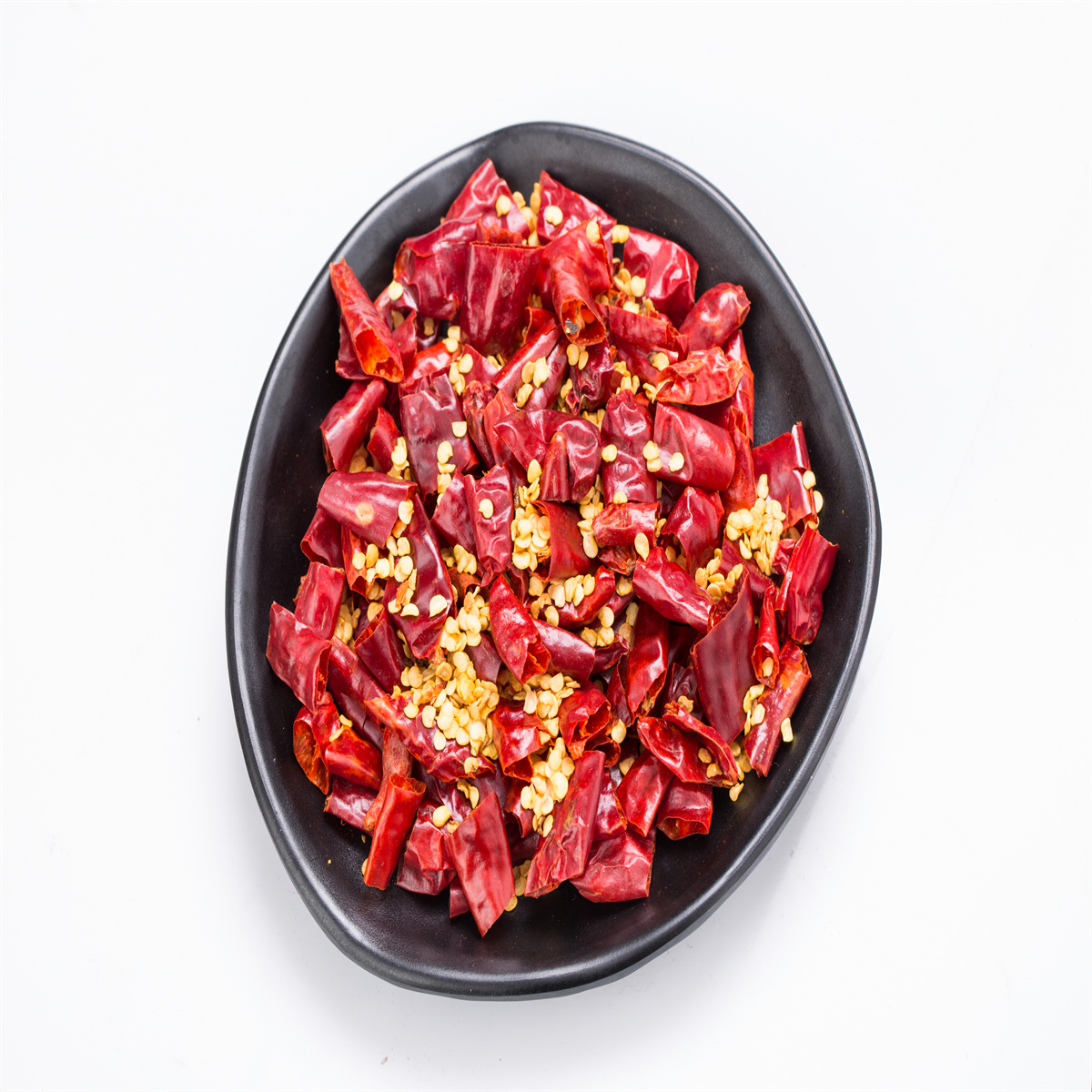
Premium Sweet Paprika Crushed China Factory | Professional Bulk Spices Suppliers

Premium Crushed Red Chili 35000 SHU Suppliers and Factory in China
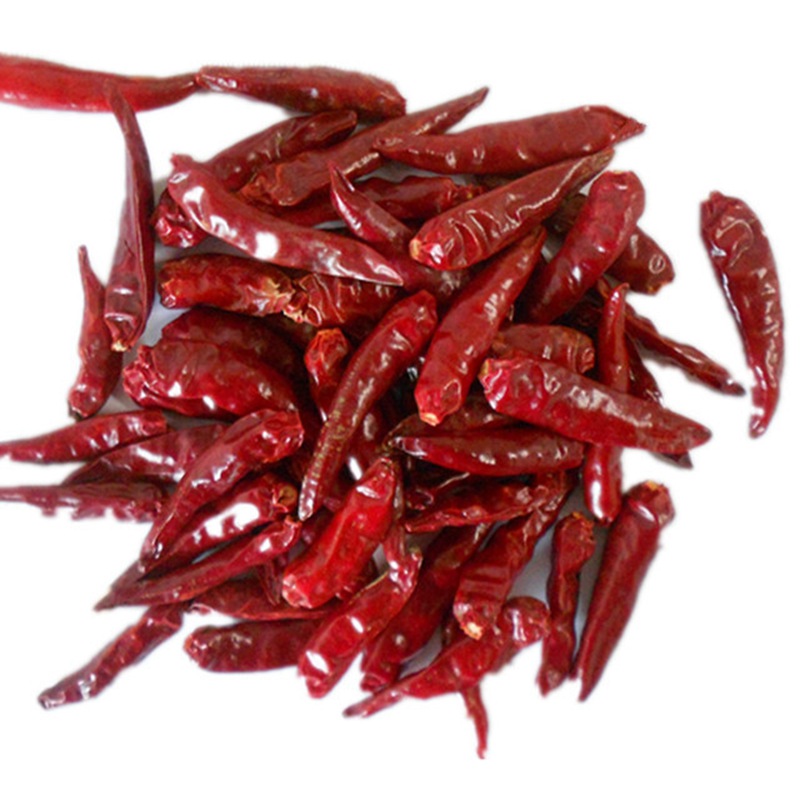
New generation dried chili

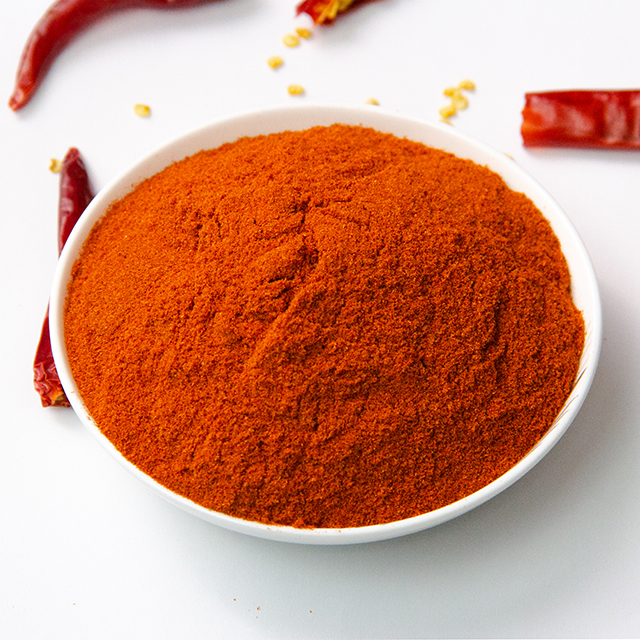
Premium Sweet Paprika Powder China Suppliers High ASTA Quality Factory
Expert Answers
Frequently Asked Questions
Technical and commercial insights for spice procurement professionals.
What distinguishes deep processing from standard chili milling?
Standard milling typically focuses on size reduction. Deep processing involves a scientific approach to maintain the chemical integrity of the chili. This includes controlled low-temperature drying to preserve natural colors (carotenoids) and precise blending to standardize the Scoville heat units. This ensures that every batch of crushed chilli powder provides the same flavor profile, which is essential for industrial food manufacturing where recipe consistency is non-negotiable.
How do you ensure the stability of chili products during shipping to Qatar?
We employ a combination of moisture-controlled processing and advanced packaging. By ensuring the final moisture content is within a strict threshold, we prevent microbial growth and clumping. For shipments to the Middle East, we use high-barrier vacuum packaging or multi-layer industrial bags that protect the spices from humidity and oxidation during the long transit through Hamad Port, preserving the potency and aroma of the product.
Can Xuri Food provide customized heat levels for specific regional tastes?
Yes, we specialize in customized blends. Because we control the raw material from our own farms, we can blend different varieties of chilies to reach a specific Scoville target. Whether your application requires a mild, sweet flavor for flakes or an intense, sharp heat for oil, we can calibrate the processing to meet your exact specifications, providing a tailored solution for the Qatari market.
What quality certifications and safety protocols are in place for your exports?
Our facility operates under strict hygiene and quality control protocols. We implement multi-stage cleaning and screening to remove all foreign materials and impurities. Every batch undergoes testing for moisture, color stability, and microbial safety. This commitment to purity ensures that our products meet the stringent food safety regulations required for import into Qatar and other global markets like the USA and Germany.
What is the typical lead time for bulk industrial orders shipped to Doha?
Lead times vary based on order volume and customization requirements. However, because we are a direct manufacturer with our own farm and processing plant, we eliminate the delays associated with third-party sourcing. Typical timelines include processing, quality verification, and international shipping. We recommend scheduling orders in alignment with your production cycles to ensure a seamless supply chain.
How do I start a procurement partnership with Xuri Food for the Qatar market?
The process begins with a detailed requirement analysis. We invite potential partners to share their specific needs regarding product type (e.g., powder, flakes, oil), desired heat levels, and monthly volume. Once the specifications are clear, we can provide samples for quality testing. After sample approval, we move to the contracting phase, focusing on volume commitments and logistics planning to ensure a stable supply of premium spices to your facility.
Get a Quote
Optimize Your Spice Supply Chain in Qatar
Whether you are a food manufacturer, a gourmet distributor, or a large-scale catering operator in Qatar, Xuri Food provides the industrial stability and product purity your brand deserves. Avoid the risks of inconsistent heat and color degradation by partnering with a direct, farm-integrated processing facility. Contact our export team today to discuss your specific requirements and request industrial samples.
Discuss Your Requirements


