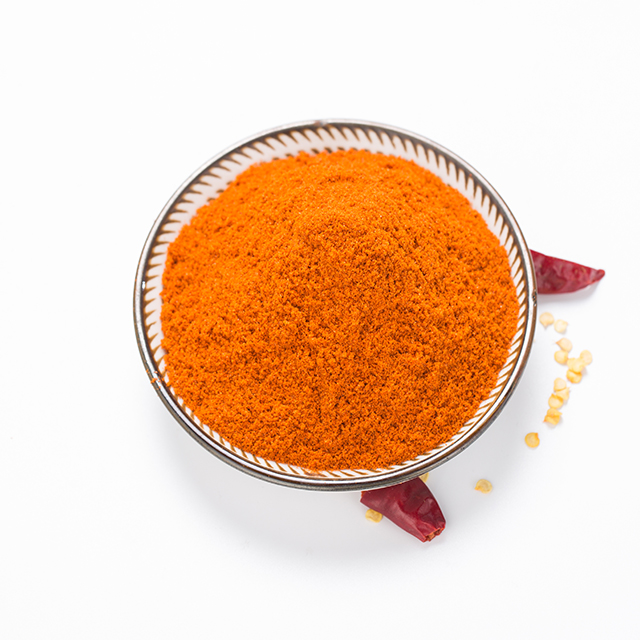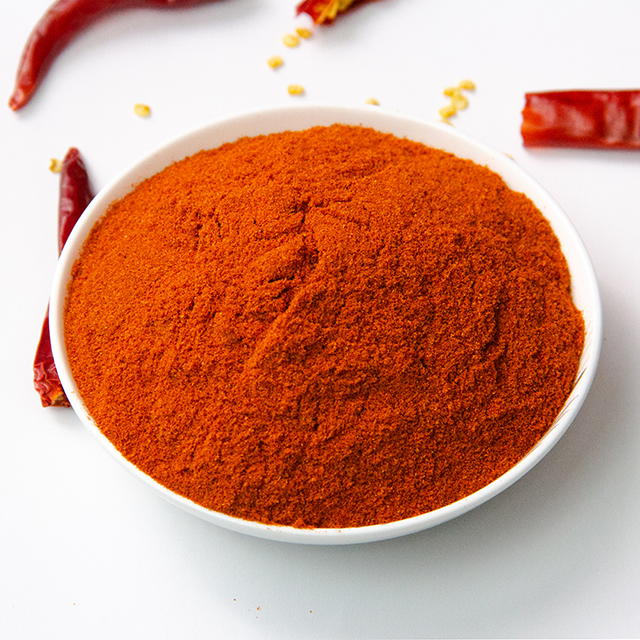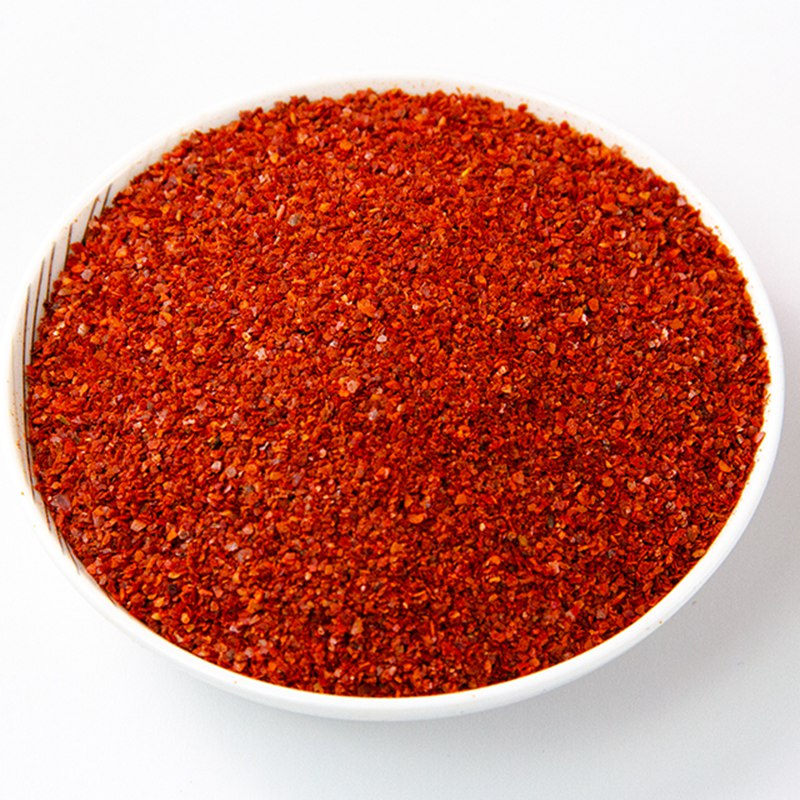
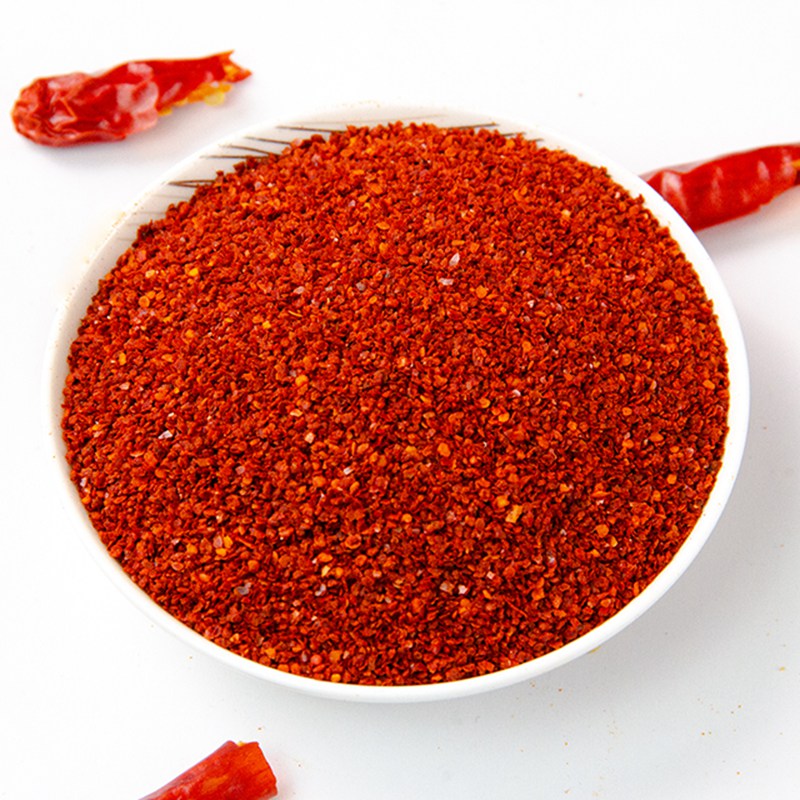
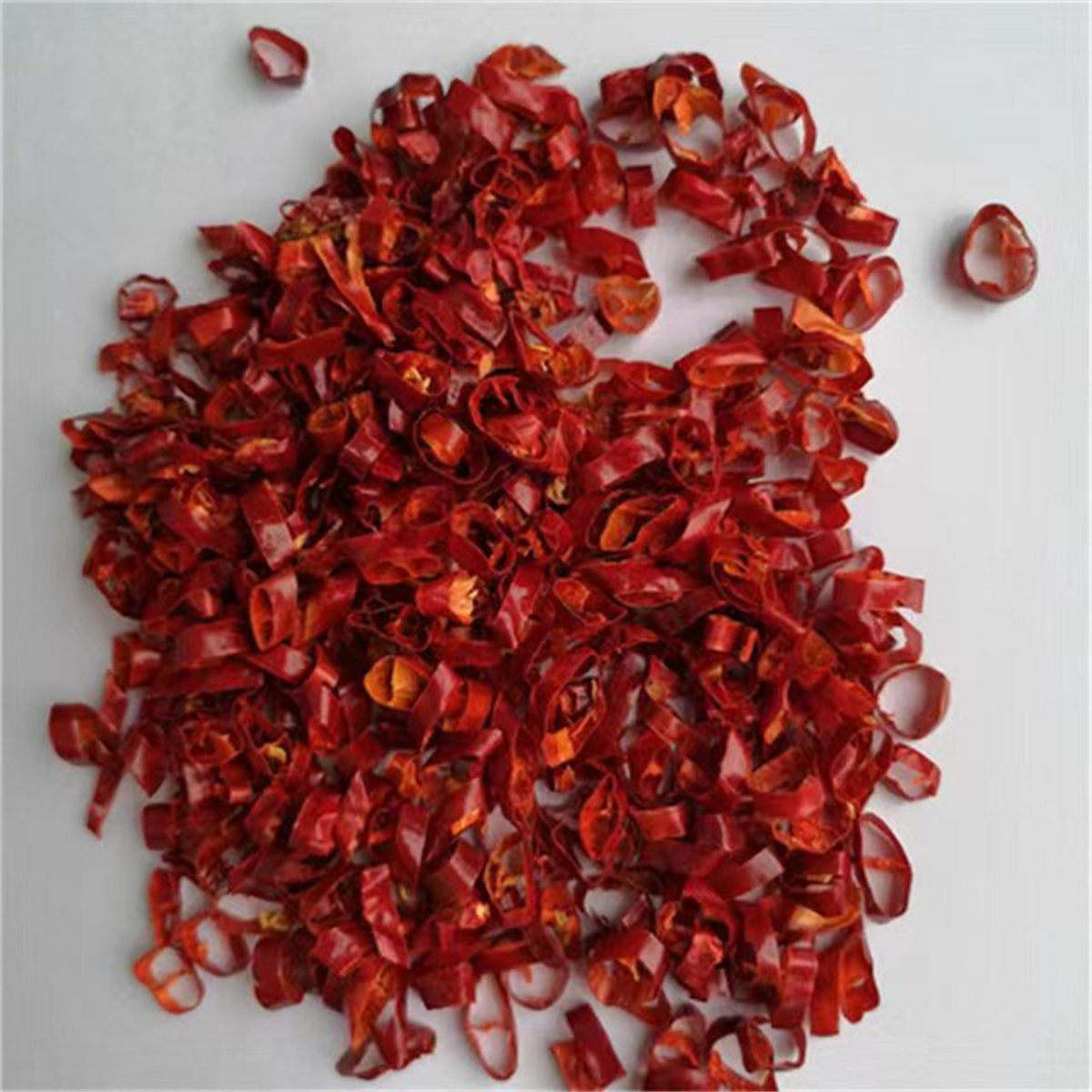
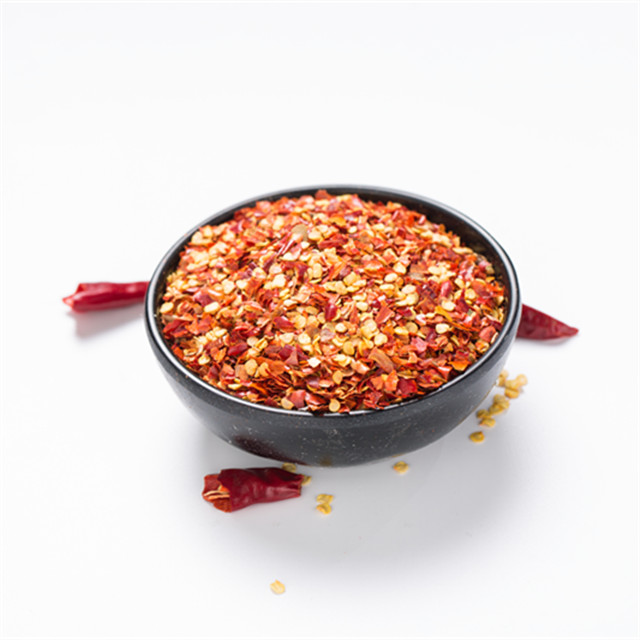
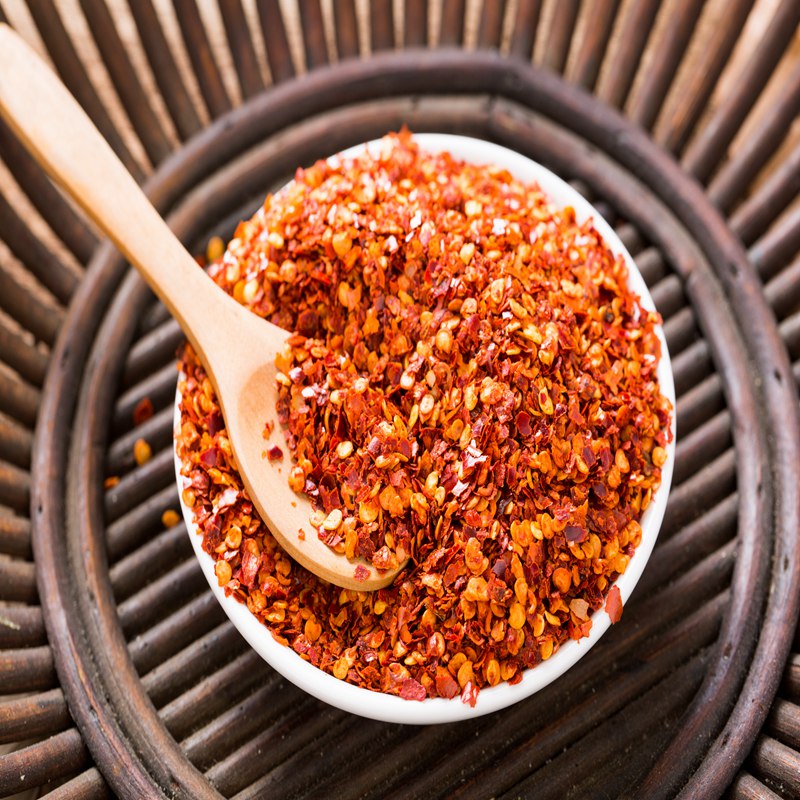
Rwanda's food manufacturing sector is currently witnessing a transition from artisanal grinding to semi-industrialized processing. The demand for sweet chili flakes has risen significantly as urban centers like Kigali embrace diverse culinary influences, creating a gap for standardized, high-purity spice supplies.
Geographically, Rwanda's volcanic soils provide a strong foundation for agriculture, yet the volatility of local climate patterns often leads to inconsistencies in the capsaicin levels of raw produce. This has led local manufacturers to seek imported, standardized crushed chilli powder to maintain product uniformity across large-scale production runs.
Currently, the market is dominated by small-scale distributors, but there is a growing movement toward integrated "Farm-to-Fork" processing plants. These plants are increasingly utilizing advanced extraction methods to produce chili seed oil, catering to both the food service industry and the burgeoning organic cosmetic sector in Rwanda.