



Regional Analysis
The Chili Spice Landscape in Uganda
Understanding the intersection of local culinary demand and global processing standards.
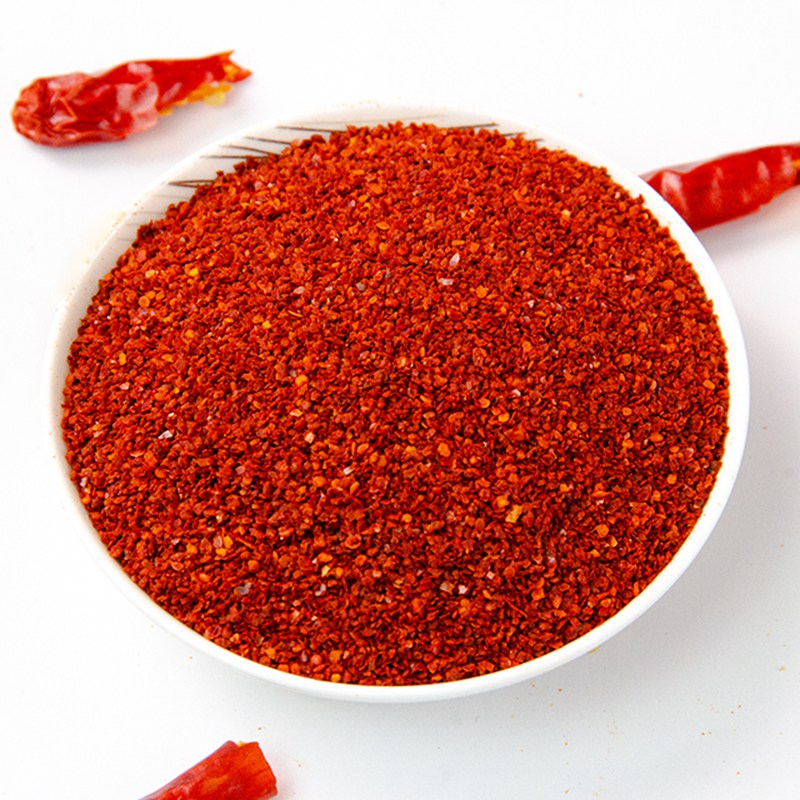
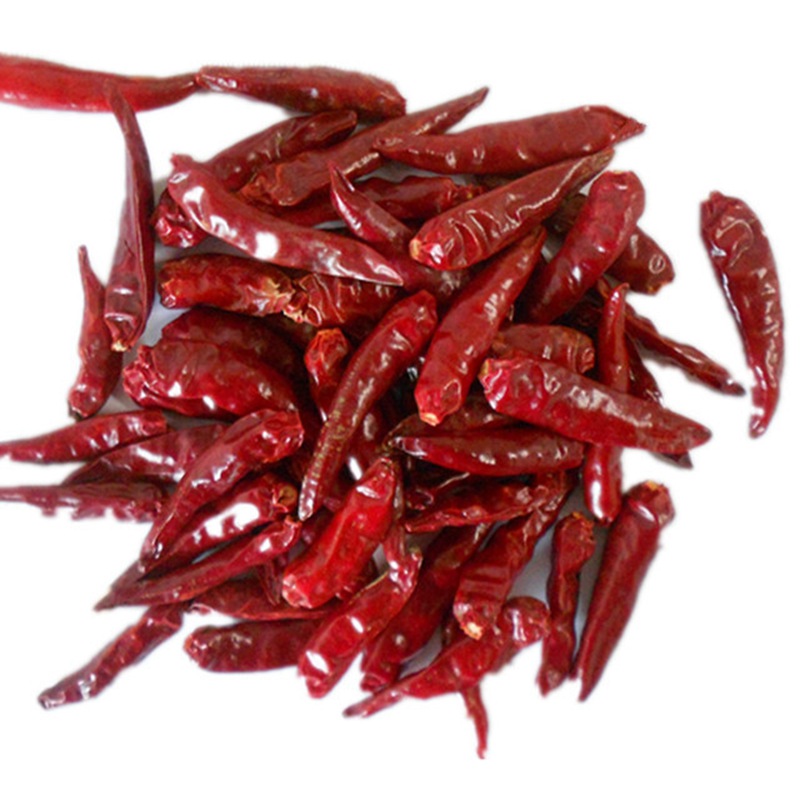
Uganda possesses a vibrant culinary culture where spicy profiles are integral to many traditional and modern dishes. The market is characterized by a high demand for red pepper products, ranging from raw dried chilies to refined powders. Currently, the industry is transitioning from small-scale artisanal production to more structured industrial processing. However, the reliance on variable local harvests often creates gaps in the supply of high-consistency, deep-processed chili products, leaving a significant opportunity for standardized international imports that can guarantee quality across all batches.
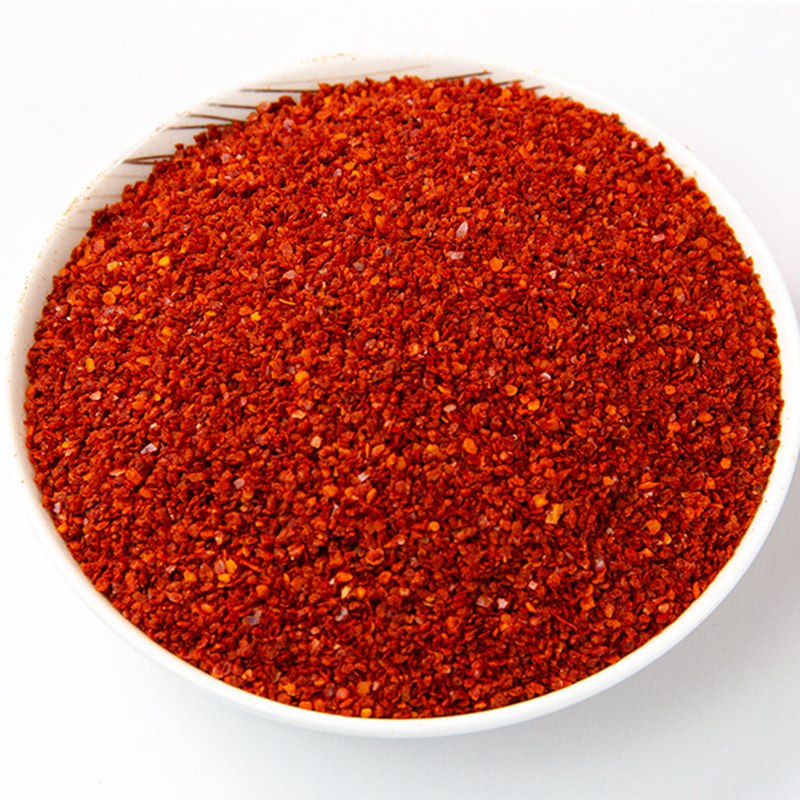
Current trends indicate a shift toward specialized spice applications. There is an increasing demand for "value-added" chili products, such as chili pepper crushed with specific grit sizes for the snack industry and high-clarity seed oils for gourmet cooking. This shift is driven by the growth of the urban middle class in cities like Kampala and the expansion of the local hospitality sector, both of which demand professional-grade ingredients that offer consistent taste, aroma, and visual appeal without the need for extensive pre-processing.
While the opportunity for growth is substantial, constraints remain in the form of logistics and quality control infrastructure. The primary challenge for Ugandan importers is finding a partner who combines agricultural control with industrial processing expertise. By integrating direct farm sourcing with advanced processing, companies can bypass the instability of open-market trading. The outlook for the Ugandan spice market remains bullish, with a clear trajectory toward higher purity standards and a broader variety of specialized chili derivatives to support food innovation.
Industry Progress
The Evolution of Chili Processing
From basic sun-drying to advanced deep-processing technology.
Early Phase
Basic Processing
Industry relied on simple sun-drying and manual grinding, leading to high impurity levels and inconsistent moisture content across different harvests.
Growth Phase
Mechanized Grinding
Introduction of industrial mills allowed for finer powders and larger volumes, though heat control during grinding remained a challenge for color retention.
Current Phase
Deep Processing
Modern systems integrate farm management with precise temperature-controlled drying and customized cutting, enabling specialized products like seed oils and specific flakes.
Precision Micronization
The industry is moving beyond simple "powder" toward specific particle size distributions. By controlling the micron level of crushed chilies, manufacturers can dictate how quickly the spice releases its heat in a dish, enhancing the sensory experience for the end-user.
Sustainability in Sourcing
There is a strong movement toward "closed-loop" supply chains. Companies that own their farms can ensure sustainable agricultural practices and eliminate the carbon footprint associated with multiple middle-men in the spice trade.
Purity-Driven Standards
Consumer demand for "clean label" ingredients is forcing a transition toward zero-additive processing. The focus has shifted to achieving intense color and flavor solely through biological selection and mechanical precision rather than synthetic enhancers.
Future Outlook
Global Trends in the Chili Industry
How technological shifts are redefining the way the world consumes spice.
Cold-Press Extraction
The rise of seed oil extraction is increasing. Using cold-press methods allows for the retention of volatile aromatic compounds, creating a more potent and natural oil base for the condiment industry.
Custom Heat Profiles
Buyers are no longer satisfied with "hot" or "mild." There is a trend toward tailored blends that combine different chili varieties to achieve a specific flavor arc (initial sweetness followed by a lingering heat).
Smart Packaging
To preserve the potency of deep-processed spices, there is a shift toward vacuum-sealed, UV-protected packaging that prevents oxidation and preserves the natural red color of paprika.
Ethical Traceability
The demand for "Farm-to-Fork" transparency is growing. Buyers want to know the exact origin of their chilies, the soil conditions, and the processing steps taken to ensure purity.
The convergence of these trends indicates a move toward a more "scientific" approach to spice production. In markets like Uganda, where culinary diversity is high, the ability to provide a wide range of processed formats—from oils to coarse flakes—allows local food companies to diversify their own product offerings. This technological maturity reduces waste and ensures that the inherent value of the raw chili is fully extracted, whether it is for the heat, the color, or the aromatic oil.
Furthermore, the integration of sustainable farming with industrial efficiency creates a competitive advantage. By reducing the number of intermediaries and focusing on deep processing, producers can offer premium quality at a stable price point. This is particularly critical for industrial users who operate on thin margins and cannot afford the cost spikes associated with seasonal raw material shortages or poor batch quality.
Practical Applications
Application Scenarios for Chili Products in Uganda
How different deep-processed chili products solve specific operational challenges for local businesses.
01
Industrial Sauce Manufacturers in Kampala
Large-scale sauce producers require a consistent base for their hot sauces. By using standardized crushed chilli powder, they eliminate the need to manually calibrate heat levels for every batch. This ensures that a bottle of sauce produced in January tastes exactly like one produced in July, maintaining brand loyalty and reducing waste caused by "off-spec" batches.
02
Gourmet Snack Producers for Export
Companies producing spicy nuts or chips for the regional market need visually appealing coatings. Using sweet chili flakes provides a professional "speckled" look and a balanced heat profile. Because these products are processed for color retention, the snacks maintain a vibrant red appearance on the shelf without the need for artificial dyes.
03
High-End Restaurant Chains in Entebbe
Culinary teams in luxury hotels often require high-purity oils for finishing dishes. Utilizing processed chili seed oil allows chefs to infuse deep, aromatic heat into oils without the residue of crushed seeds. This results in a cleaner presentation and a more refined flavor profile that appeals to international tourists and gourmet diners.
04
Regional Spice Distributors in Jinja
Distributors facing high storage costs benefit from the low-moisture profile of deep-processed paprika red pepper. Because the moisture is precision-controlled, the risk of mold during transit in humid conditions is drastically reduced, lowering insurance costs and reducing product loss during the last-mile delivery to smaller retailers.
05
Artisanal Condiment Makers
Small-batch producers creating "signature" chili oils need a consistent starting point. By sourcing chili pepper crushed with uniform grit, they can ensure their oil infusion process is efficient and the heat distribution is even, allowing them to scale their production from home kitchens to small commercial units without losing quality.
Use Case Insights
Representative Industry Perspectives
Illustrative scenarios reflecting how our products impact professional spice operations.
Transitioning to a deep-processed supplier solved our biggest issue: heat volatility. By using standardized powders, we've eliminated the need for batch-by-batch adjustment, which has significantly stabilized our production costs and improved the consistency of our hot sauce line across all regional outlets.
The color stability of the paprika and crushed flakes is what sets this product apart. In the snack industry, visual appeal is half the battle. Having a supplier that can guarantee the same deep red hue regardless of the season allows us to maintain a premium brand image on the shelf.
Sourcing from a company with its own farms provides a level of security that is rare in the spice trade. Knowing that the supply chain is closed-loop means we don't have to worry about sudden shortages or purity drops during the lean harvest months.
Our Heritage
Legacy of Spice Excellence
From a bold idea to a global footprint in chili deep processing.
1996
Founding and Vision
Longyao County Xuri Food Co., Ltd. was established with the bold mission of bringing the intense, authentic flavors of homegrown chilies to the global market, focusing on purity and quality from the start.
Evolution
Deep Processing Specialization
Over the years, the company transitioned from simple trade to becoming a leading deep processing facility, developing its own dedicated farms to ensure total control over the raw material quality.
Expansion
Global Footprint Establishment
Xuri Food expanded its reach to the most demanding markets, including Japan, Korea, Germany, the USA, Canada, Australia, and New Zealand, building strong partnerships with distributors worldwide.
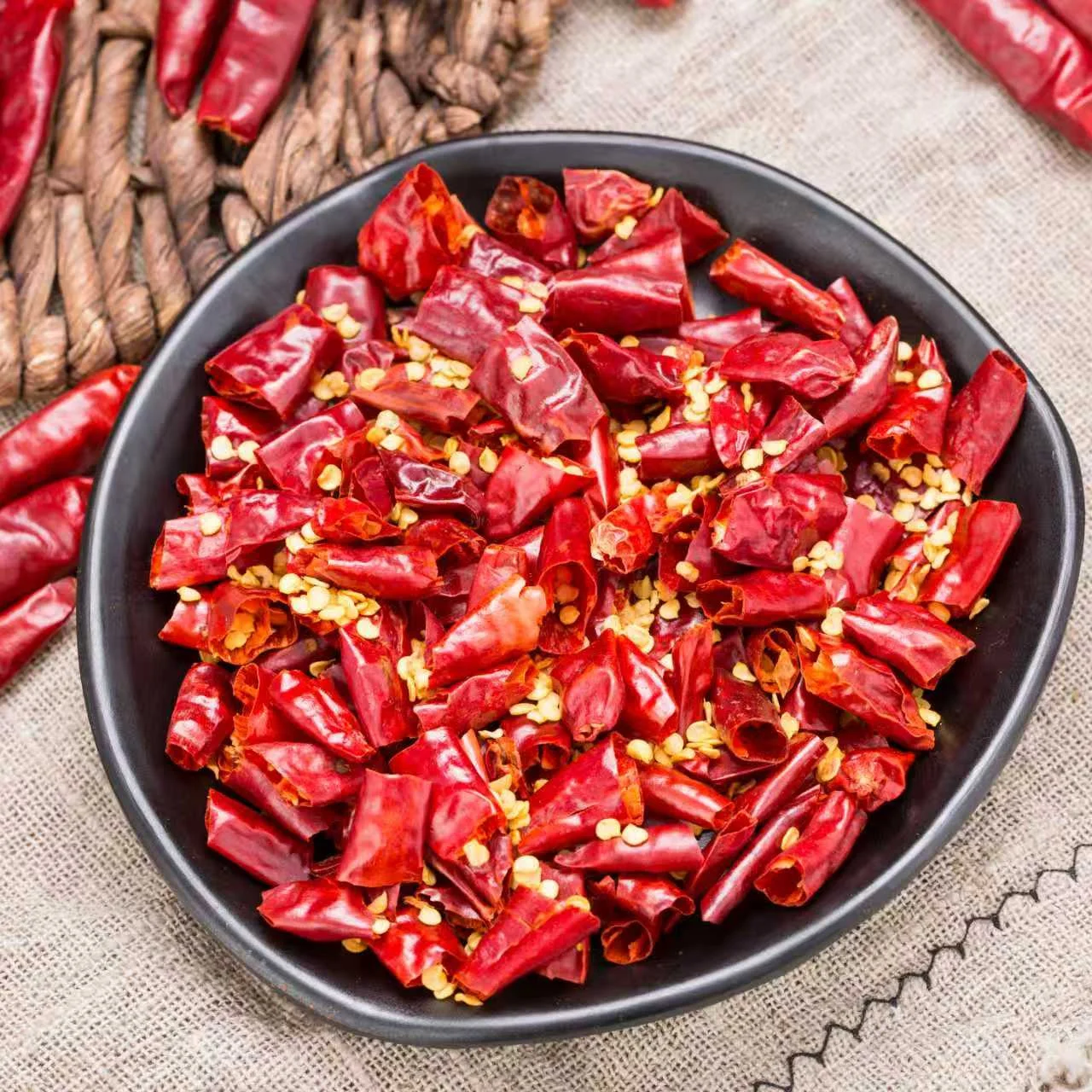
Tianying cut

Premium Sweet Paprika Crushed China Factory and Bulk Suppliers

Premium Extra Spicy Chili Powder 40k50k SHU China Factory Suppliers
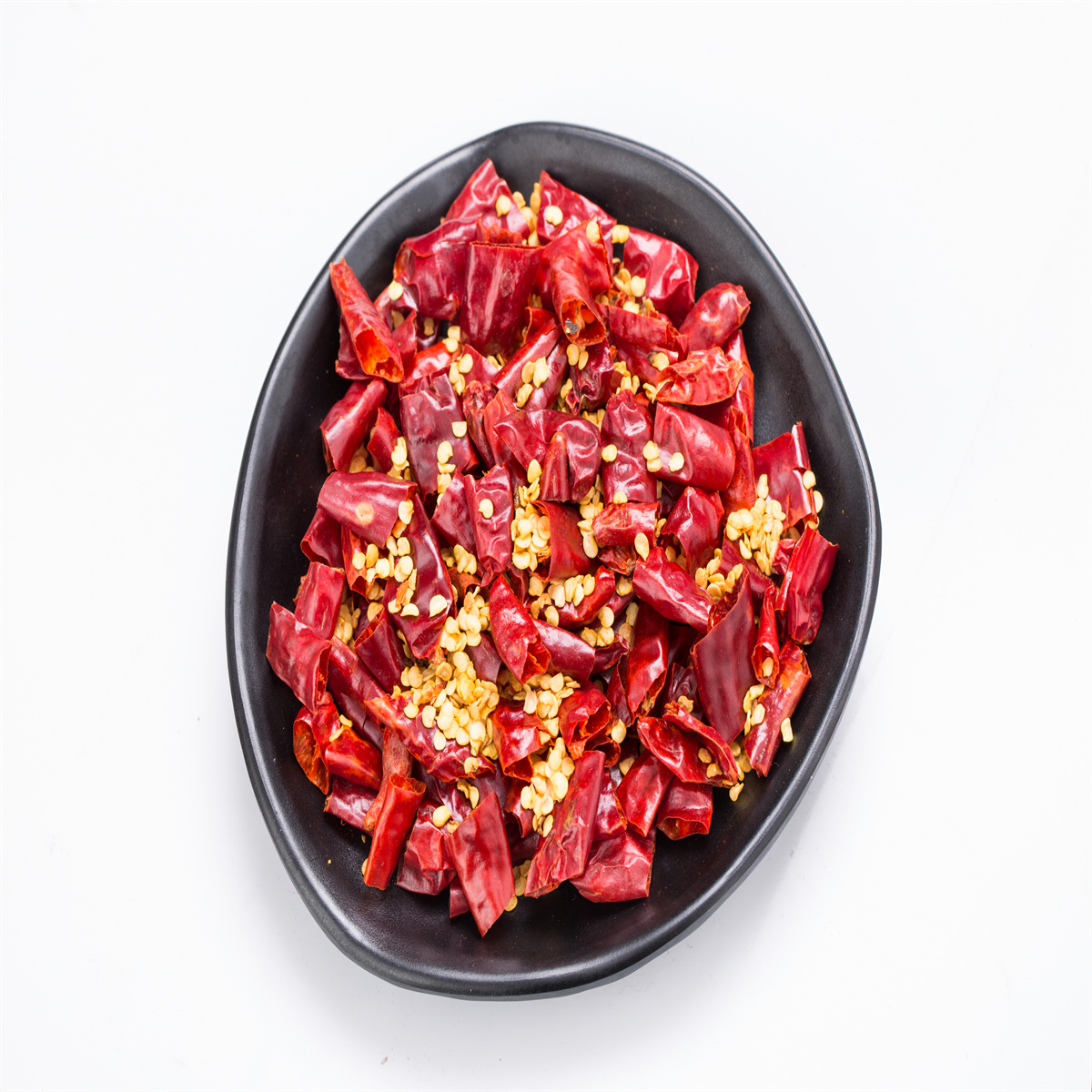
New generation chili cut
Expert Support
Common Inquiries on Chili Sourcing
Detailed answers to help you make the right procurement decisions for your business.
What exactly is "deep processing" in the context of chili products?
Deep processing refers to the transformation of raw chilies into high-value derivatives using advanced technology. Unlike basic drying, this involves scientific temperature control, micronized grinding, and specialized extraction (such as for seed oils). This process allows for the standardization of heat levels, the preservation of natural colors, and the removal of all impurities, resulting in a professional-grade ingredient suitable for industrial food production.
How do you ensure the heat level remains consistent across large bulk orders?
We achieve consistency through a combination of raw material grading and precision blending. First, chilies from our dedicated farms are tested for pungency. We then blend different batches to reach a specific, predetermined Scoville heat unit (SHU) target. This scientific approach ensures that whether you order one ton or one hundred, the flavor profile and heat intensity remain identical, eliminating the need for recipe adjustments in your facility.
Can your products meet the food safety and purity requirements for Ugandan imports?
Yes. Our facility is designed to eliminate contamination at every stage. From the initial cleaning of the raw pods to the final packaging in a controlled environment, we adhere to strict quality protocols. By controlling the entire process from our own farms, we ensure there are no undisclosed fillers or additives, making our products ideal for companies that must comply with rigorous health and safety inspections in Uganda and beyond.
What is the benefit of using chili seed oil over standard infused oils?
Standard infused oils often contain sediment and can have an inconsistent flavor depending on the soaking time. Our processed chili seed oil is a refined extract that captures the essence and aromatic compounds of the chili without the solids. This results in a clear, professional oil that is easier to incorporate into emulsions, dressings, and gourmet finishes, providing a cleaner mouthfeel and a more stable shelf life.
How does the moisture content in your powders affect long-term storage?
Moisture is the primary enemy of spice shelf life, as it encourages mold and causes clumping. We use industrial dehydrators to bring moisture levels down to an optimal threshold that prevents microbial growth while preserving the aromatic oils. For importers in humid regions like Uganda, this means a significantly lower risk of spoilage and a longer usable lifespan, reducing the frequency of stock replacement and overall waste.
How should I choose between crushed chili powder and whole cut chilies for my product?
The choice depends on your desired "flavor release" and visual goal. Powder is best for sauces and seasonings where you want an immediate, uniform heat distribution. Whole cut chilies or flakes are ideal for snacks, oils, or pickled products where you want the consumer to see the spice and experience a slower, more textured release of heat. We recommend sampling both to determine which aligns best with your specific product's sensory profile.
Partner with Xuri Food
Ready to Elevate Your Spice Supply in Uganda?
Whether you are a food manufacturer in Kampala or a large-scale distributor, the quality of your chili ingredients defines your product. Partner with a company that controls the entire journey from the farm to the final deep-processed powder. Let us help you achieve perfect consistency and vibrant quality in every batch. Contact us today to discuss your specific heat requirements and bulk sourcing needs.
Discuss Your Requirements


