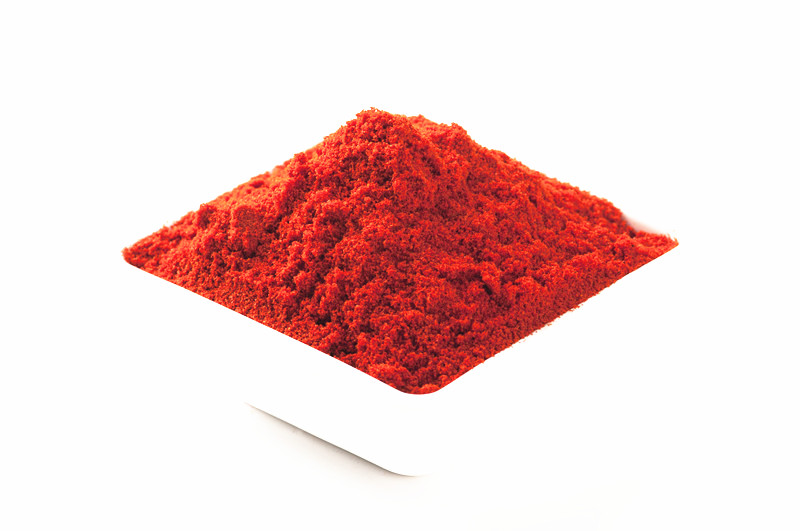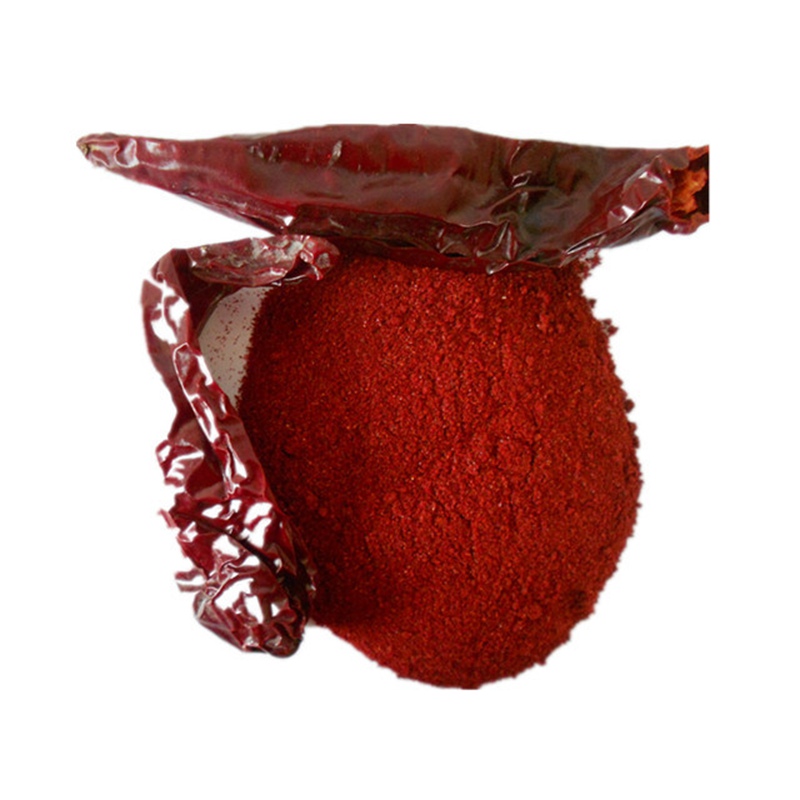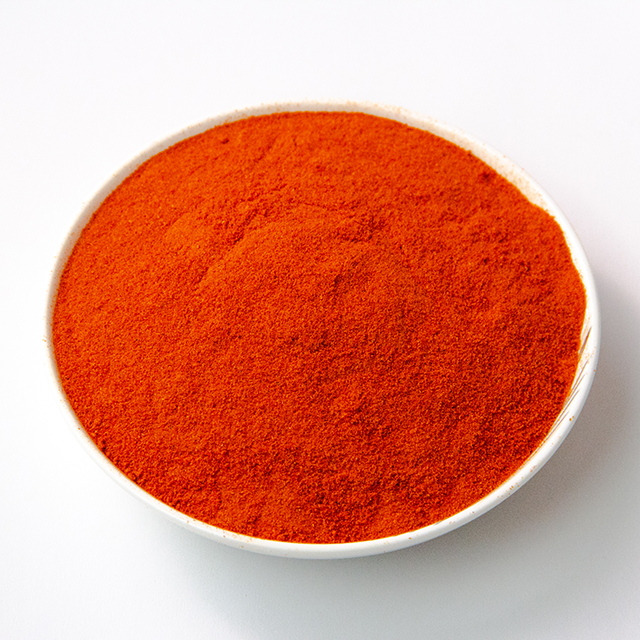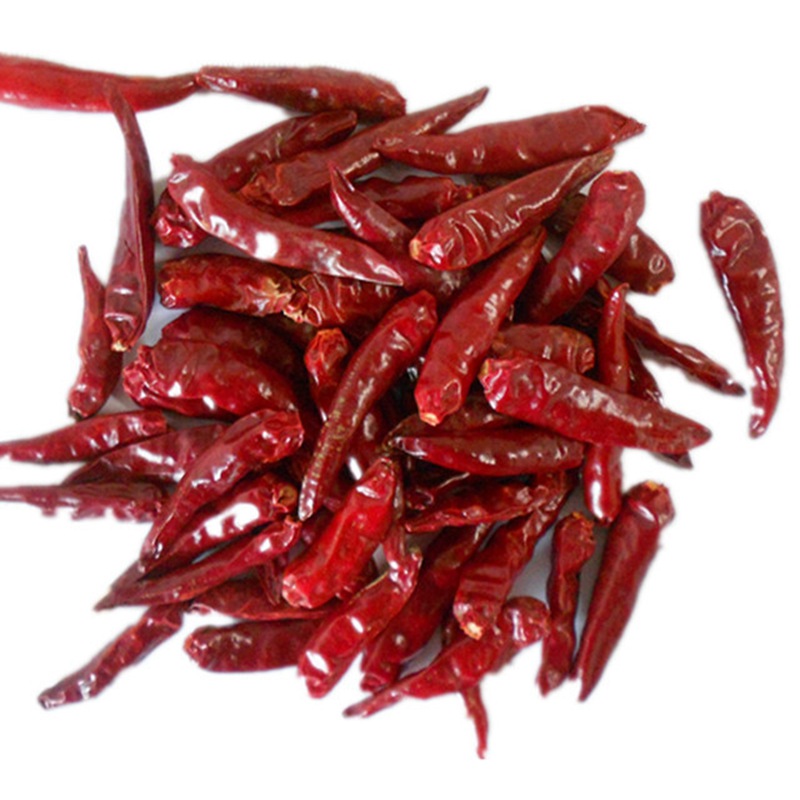
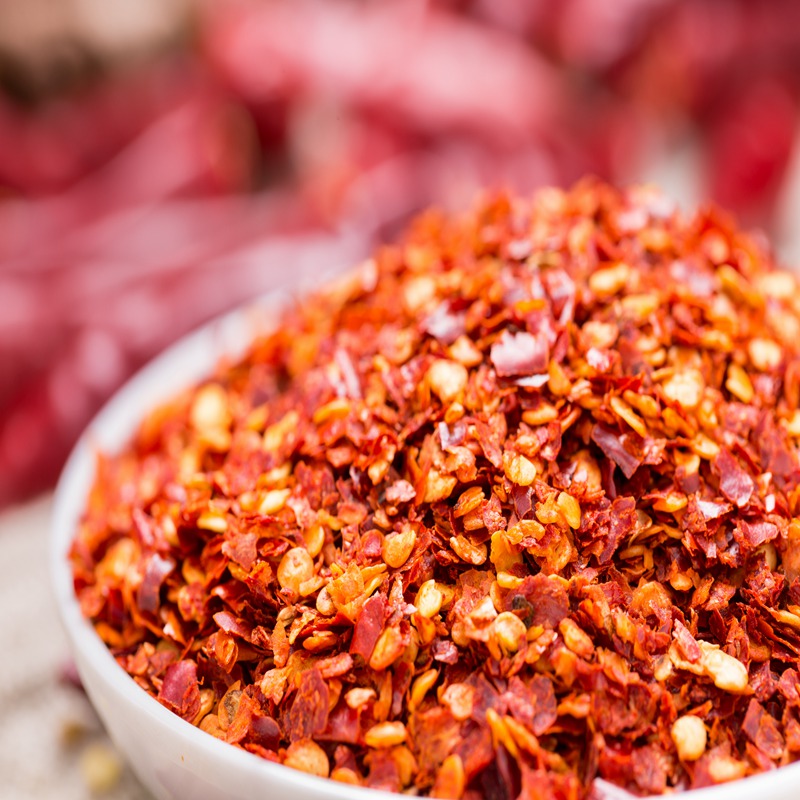
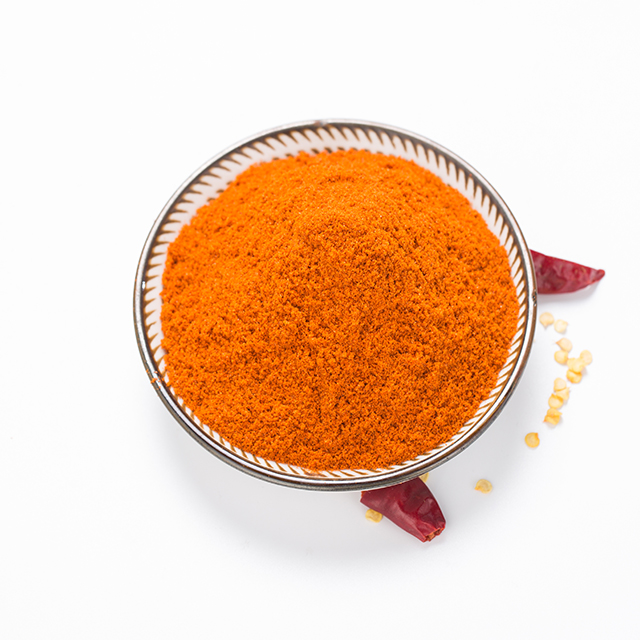
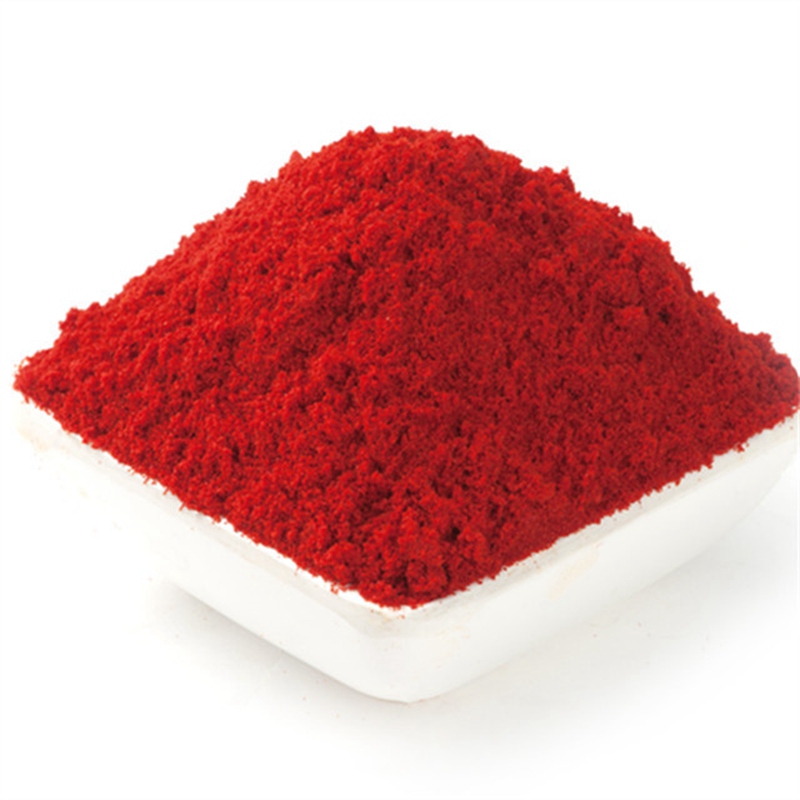
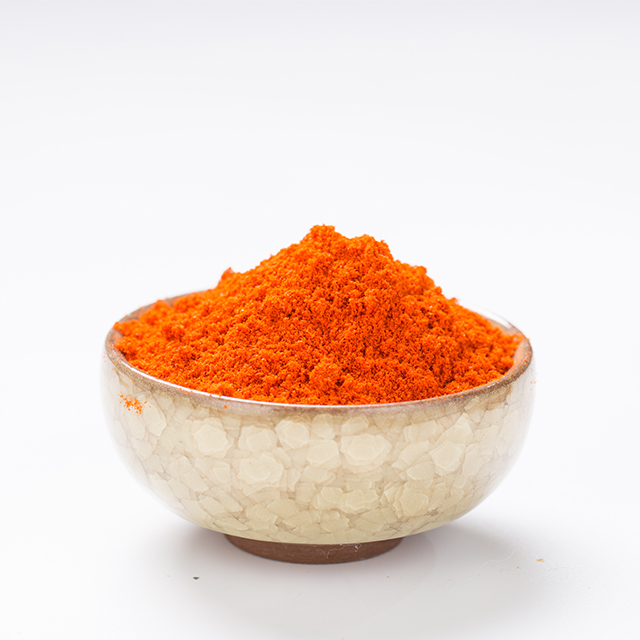
Nigeria's spice market is characterized by a high demand for pungent and aromatic heat, deeply rooted in the local culinary identity. However, the industry currently faces significant challenges in standardized quality control, where traditional open-air drying methods often lead to inconsistent moisture levels in crushed chilli powder, affecting shelf-life and potency.
The economic landscape in West Africa has seen a surge in processed food consumption, driving the need for stable, bulk-supplied ingredients like chili pepper crushed. Despite the abundance of local raw materials, the lack of advanced fermentation and stabilization technology often results in a reliance on imported high-grade concentrates to maintain global quality standards.
Climate factors, specifically high humidity in coastal regions like Lagos, create a critical need for moisture-proof packaging and precision processing of sweet chili flakes to prevent microbial growth and maintain the vibrant red hue essential for consumer appeal in the Nigerian market.