

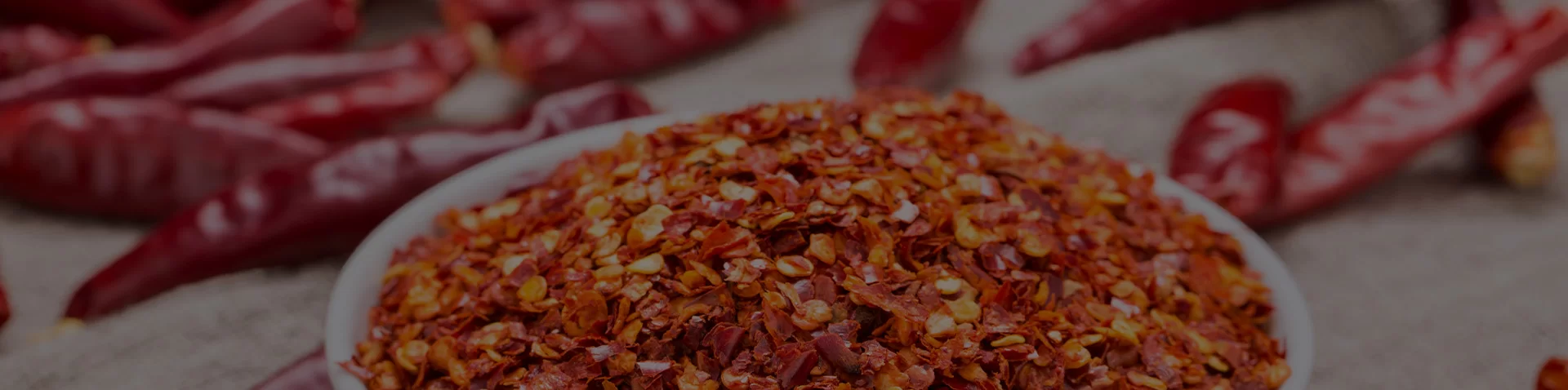

Specialized chili-derived oils, particularly those focused on seed infusion, provide a concentrated delivery of both heat and aromatic depth in commercial food production. Understanding the nuances of odm red pepper seed oil involves analyzing how the oils naturally present in the seeds interact with the capsaicinoids of the pepper flesh to create a stable, vibrant condiment base for global markets.
For B2B procurement officers and food technologists, the challenge lies in ensuring batch-to-batch consistency in pungency and color. The industrial transition from raw chili crops to a refined oil product requires rigorous control over temperature and moisture, as these factors directly impact the oxidation rate and the sensory profile of the final seasoning.
This technical guide examines the critical parameters of chili oil production, from seed ratio customization to advanced sterilization methods. By evaluating these specifications, manufacturers can better align their raw material procurement with the specific requirements of their end-product formulations, whether for snacks, sauces, or artisan condiments.
The Mechanics of Chili Seed Oil Extraction
The production of premium chili seed oil relies on the synergy between lipid extraction and the infusion of flavor compounds. Unlike simple infusions, professional-grade oils leverage the high natural oil content within the seeds, which acts as a carrier for the fat-soluble capsaicin. In a deep-processing environment, this process begins with the careful selection of chili varieties and the precise control of particle size to maximize the surface area for extraction. The goal is to isolate the vibrant red pigments (carotenoids) and the pungent heat while eliminating contaminants. Modern facilities employ a combination of thermal processing and mechanical filtration to ensure that the resulting oil is clear, stable, and free from excessive sediment, providing a professional-grade ingredient suitable for high-volume food industry applications across Europe, North America, and Asia.
Strategic Sourcing and Quality Evaluation
Selecting a supplier for industrial seasonings requires a deep dive into the technical specifications that govern food safety and sensory performance. The following seven dimensions outline the essential criteria for evaluating a high-capacity chili processing partner.
Seed Content and Flavor Profiles
The ratio of seeds to flesh fundamentally alters the flavor profile and the viscosity of the oil. Higher seed content typically increases the nutty undertones and the natural oil volume, whereas deseeded options prioritize a cleaner, sharper heat. Customization of seed content allows manufacturers to tailor the texture and "mouthfeel" of their final product to meet specific regional preferences.
| Seed Ratio | Flavor Characteristic | Viscosity Impact | Best Application |
|---|---|---|---|
| 50% Seeds | Strong nutty, robust body | High | Traditional Asian Oils |
| 30-40% Seeds | Balanced heat and aroma | Medium | Commercial Hot Sauces |
| Deseeded | Pure pungent heat | Low | Clear Spicy Glazes |
| Custom Mix | Tailored sensory profile | Variable | Artisan Pizza Toppings |
| Low Seed | Sharp, clean finish | Low-Medium | Industrial Seasonings |
| High Seed | Deep, earthy richness | High | Pickling Base Oils |
Sterilization and Microbial Control
To meet international food safety laws, advanced sterilization is non-negotiable. The use of microwave heat and steam sterilization effectively reduces the microbial load without degrading the volatile aromatic compounds of the chili. This dual-action approach ensures that the product remains shelf-stable and safe for global distribution while preserving the authentic spicy aroma that is often lost in traditional high-heat drying.
Pungency and SHU Calibration
Precision-controlled heat levels, such as a consistent 15,000 SHU (Scoville Heat Units), are critical for food manufacturers to maintain predictable results across different production batches. Variations in pungency can lead to inconsistent product taste, which risks consumer dissatisfaction. A professional facility ensures that the raw materials are calibrated before processing to guarantee a uniform spice profile.
Color Integrity and Purity
The visual appeal of chili oil depends on a natural, vibrant red color. A primary concern in the industry is the illegal use of artificial dyes like Sudan Red. Ensuring a product is 100% natural and guaranteed to be Sudan Red free is essential for compliance with FDA and BRC standards, ensuring the safety of the consumer and the reputation of the brand.
Customization for Industrial Use
Beyond seed content, particle size (ranging from 0.5mm to 5mm) and moisture levels (maximum 11%) must be optimized based on the application. Whether the oil is intended for a sprinkle-on condiment or a blended sauce, the physical properties of the crushed chili components influence how the oil is released and distributed within the food matrix.
Regulatory Compliance and Safety
Global market access requires a comprehensive suite of certifications. Adherence to ISO9001, ISO22000, BRC, FDA, and HALAL standards provides a framework for contaminant-free production. Specifically, controlling Aflatoxin (<5ug/kg) and Ochratoxin A (<20ug/kg) is mandatory for entering the European and North American markets.
Logistics and Supply Continuity
For large-scale production, a supplier's capacity—such as 500MT per month—and their logistics efficiency are vital. Secure packaging, such as 25kg kraft bags with plastic linings, prevents moisture ingress during long-distance shipping in 20’GP or 40’FCL containers, ensuring that the oil's quality remains intact from the factory to the warehouse.
FAQ
How does seed content affect the quality of red pepper seed oil?
Seed content determines the balance between the "nutty" aromatic profile and the sharp pungency of the chili. Higher seed ratios increase the natural oil volume and earthy flavor, while deseeded options provide a cleaner, more intense heat. In professional ODM services, this is customizable to fit specific recipe requirements, such as 50%, 30-40%, or completely deseeded.
What is the significance of 15,000 SHU in industrial applications?
15,000 SHU represents a strong, fiery heat profile that is highly versatile. It is ideal for products like pizza sprinkles, spicy sausage formulations, and commercial hot sauces. By maintaining a precision-controlled SHU level, manufacturers can ensure that every batch of their final product has the exact same level of spice, avoiding inconsistent consumer experiences.
How can a buyer verify if the chili oil is free from Sudan Red?
Buyers should request a Certificate of Analysis (CoA) and check for certifications from recognized bodies like the FDA or BRC. A reputable supplier will explicitly guarantee that the product is 100% natural and Sudan Red non-storage. Rigorous testing for synthetic dyes is a standard part of the quality control process in high-end deep processing facilities.
Which sterilization methods are most effective for preserving chili flavor?
A combination of microwave heat and steam sterilization is highly effective. Unlike traditional prolonged heating, these methods rapidly eliminate pathogens and reduce microbial loads while keeping the volatile oils and natural colors intact. This ensures a safe product that still possesses the vibrant sensory characteristics of fresh chilies.
What are the typical procurement MOQs for industrial chili products?
For industrial-grade products and OEM customization, a typical Minimum Order Quantity (MOQ) is around 1,000kg. This volume allows for efficient production runs and cost-effective shipping in bulk packaging, such as 25kg bags, making it suitable for wholesalers and large-scale food manufacturers.
Can the particle size of the crushed chili in the oil be adjusted?
Yes, particle size is usually customizable to meet specific texture needs. Common ranges include 0.5-2mm, 1-3mm, 2-4mm, and 3-5mm. Smaller particles integrate more smoothly into sauces, while larger flakes are preferred for visual appeal in pizza toppings or artisan condiments.
References and further reading
- International Standards for Food Safety: ISO 22000 and BRC Global Standard for Food Safety.
- FDA Compliance Guidelines for Imported Spices and Chili Products.
- Analysis of Capsaicinoid Stability in Lipid-Based Infusions.


