

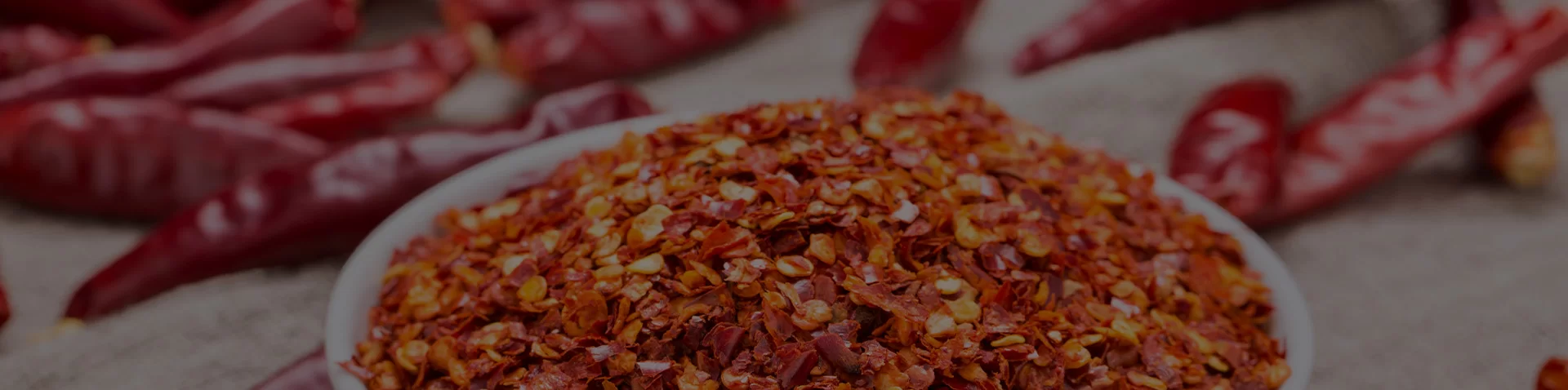

For food manufacturers and distributors, securing a consistent supply of high-quality capsicum products—specifically cayenne and paprika—is essential for maintaining product standardization. These spices are not merely flavor additives but critical components for color and heat profiles in processed meats, sauces, and snacks. This guide examines the technical specifications and procurement logic required to select the right odm cayenne and paprika solutions for industrial scales.
The challenge in bulk spice sourcing lies in the variability of natural crops. Factors such as the origin of the pods, drying temperatures, and grinding precision directly impact the final ASTA color value and SHU heat level. For enterprises operating in the B2B space, moving beyond basic grade specifications to precise technical parameters is the only way to avoid batch-to-batch inconsistency in end-products.
Readers will explore the critical metrics of spice quality, including purity standards and sterilization techniques, while learning how to evaluate supplier capabilities based on certifications and production capacity. By understanding these industrial benchmarks, procurement officers can better align their material requirements with the actual capabilities of a deep-processing facility.
Sourcing High-Potency Capsicum Powders
The industrial production of chili and paprika powders requires a sophisticated deep-processing approach to ensure that the volatile oils and natural pigments remain intact. In the context of large-scale manufacturing, "quality" is defined by stability. A manufacturer must manage the entire supply chain—from the cultivation of pods in regions like Xinjiang, known for its ideal climate for capsicum, to the final steam sterilization process. The goal is to produce a powder that delivers a predictable sensory experience regardless of the season. This involves rigorous screening for purity, ensuring that only 100% pure pods are ground, and eliminating the risk of adulterants such as Sudan Red, which is strictly prohibited in international food safety regulations. For companies seeking custom formulations, the ability of a supplier to adjust mesh size and heat levels is what distinguishes a basic commodity trader from a professional ODM partner.
Technical Guide for Industrial Spice Procurement
Selecting the optimal spice profile requires a data-driven approach. Instead of relying on qualitative descriptions like "bright red" or "mild," professional buyers focus on quantitative markers that can be verified through laboratory analysis. The following seven dimensions outline the critical technical considerations for sourcing bulk paprika and cayenne powders.
Color Intensity and ASTA Values
The American Spice Trade Association (ASTA) provides the global standard for measuring the color of paprika. High ASTA values indicate a deeper, more vibrant red, which is essential for products like sausages and gourmet sauces. For industrial use, a range of 80-240 ASTA is typically sought to ensure visual appeal without needing artificial dyes.
| Color Grade | ASTA Range | Visual Effect | Primary Application |
|---|---|---|---|
| Standard Grade | Below 80 | Pale Red/Orange | Basic Seasonings |
| Premium Grade | 80 - 150 | Bright Red | General Food Processing |
| High Intensity | 150 - 240 | Deep Crimson | High-end Sausages/Sauces |
| Specialty | Above 240 | Intense Dark Red | Natural Color Concentrates |
| Low Grade | Variable | Dull/Brownish | Animal Feed/Low-cost Mixes |
| Custom Blend | Specified | Tailored Hue | Brand-specific Product Lines |
Pungency Control and SHU Metrics
Heat is measured in Scoville Heat Units (SHU). While sweet paprika is designed for color and mild flavor (< 500 SHU), cayenne is utilized for its pungent kick. A reliable supplier must be able to provide specific SHU ranges to ensure that the "heat" of the final food product does not fluctuate between production lots, which could otherwise alienate consumers.
Particle Size and Mesh Consistency
The "Mesh" size determines the texture and dispersion rate of the powder. A 60 Mesh powder is standard for most industrial applications, providing a balance between solubility and visual presence. If the particle size is too coarse, it may create "hot spots" in a sauce; if too fine, it may clump during the mixing process.
Contaminant Screening and Safety
Safety is the non-negotiable pillar of B2B spice sourcing. The most critical check is the absence of Sudan Red, a synthetic dye that is carcinogenic and banned. Professional facilities implement strict testing protocols to guarantee "Non-detected" status, ensuring that shipments pass customs and health inspections in markets like the USA, EU, and Japan.
Microbiological Sterilization Methods
Raw agricultural products carry natural microbial loads. To meet FDA and BRC standards, advanced steam sterilization is employed. This process reduces yeast, mold, and bacteria without degrading the natural flavor or color of the spice, making it safe for direct integration into "ready-to-eat" food products.
Moisture Content and Shelf Stability
Moisture is the primary driver of spice degradation. A maximum moisture level of 11% is critical to prevent mold growth and caking. When paired with professional packaging—such as Kraft bags with plastic film lining—this ensures that the product remains potent and free-flowing during long-distance ocean freight.
Global Certification Compliance
Certifications serve as a proxy for trust in B2B transactions. ISO9001 and ISO22000 cover quality and food safety management, while BRC and FDA certifications are essential for entry into Western markets. HALAL certification further expands the marketability of the product to diverse global demographics.
FAQ
What is the difference between ASTA and SHU in paprika powder?
ASTA refers to the color value, measuring the intensity of the red pigment; a higher ASTA value means a deeper red color. SHU (Scoville Heat Units) measures the pungency or "heat" of the spice. Sweet paprika typically has high ASTA values for color but very low SHU values for a mild taste, whereas cayenne has higher SHU values for heat.
How do you ensure the spice powder is free from Sudan Red?
We implement strict raw material sourcing and rigorous laboratory testing for every batch. By using 100% pure paprika pods and avoiding artificial additives, we ensure that our products are Sudan Red-free, complying with global food safety regulations and passing third-party certifications.
Can you provide steam sterilization for bulk orders?
Yes, advanced steam sterilization is available as a standard option for industrial clients. This process effectively eliminates microbiological contaminants to meet the strictest sanitary import requirements for the USA, Europe, and other highly regulated markets without compromising the spice's natural properties.
What is the typical MOQ for industrial spice procurement?
For professional-grade, deep-processed spice powders, the Minimum Order Quantity (MOQ) is typically 1000kg. This allows for efficient production cycles and cost-effective global shipping, often optimized at 25MT per 40'FCL to reduce logistics expenses for the buyer.
How should bulk paprika powder be stored to maintain quality?
Bulk powder should be stored in a cool, dry environment away from direct sunlight and moisture. Our use of Kraft bags with internal plastic linings provides a primary barrier, but maintaining a climate-controlled warehouse prevents flavor degradation and prevents the powder from clumping over time.
Do you support various international payment terms for B2B orders?
Yes, to facilitate seamless international trade, we support a variety of flexible payment methods including T/T, LC, DP, and Alibaba Credit orders, ensuring that global distributors and food manufacturers can manage their cash flow and procurement risk effectively.
References and further reading
- American Spice Trade Association (ASTA) - Standards for Paprika Color Analysis.
- ISO 22000:2018 - Food Safety Management Systems Requirements.
- FDA Food Safety Modernization Act (FSMA) - Guidelines for Imported Spices.
- BRC Global Standard for Food Safety - Issue 9.


