

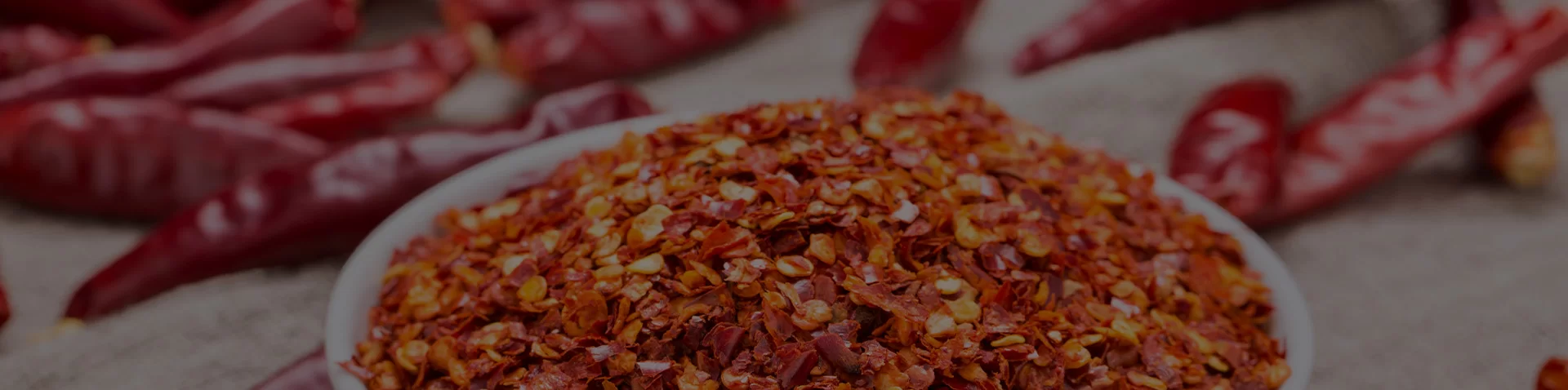

Selecting the right dried chili profile is a critical decision for food manufacturers and spice distributors who require consistent heat, color, and flavor across large-scale production. For those seeking specialized odm round dried chilli solutions, the focus extends beyond simple sourcing to the technical precision of deep processing. This article examines the technical criteria for high-quality dried chilies and how industrial specifications impact the final gastronomic outcome.
In the B2B spice sector, the transition from raw farm harvest to a processed industrial ingredient involves rigorous quality control. From the soil of Xinjiang to global kitchens, the stability of the supply chain depends on adhering to international certifications such as ISO22000 and BRC. Understanding the interplay between moisture levels, ASTA color values, and microbiological safety is essential for any procurement professional aiming to reduce risk and maintain product excellence.
Readers will explore the comprehensive parameters required for evaluating dried chili suppliers, including the importance of steam sterilization and the avoidance of contaminants like Sudan Red. By analyzing the trade-offs between different grades and the logistics of bulk shipping, this guide provides a roadmap for optimizing spice procurement and ensuring that the raw ingredients enhance the visual and taste profile of professional culinary creations.
The Fundamentals of Dried Chili Processing
Dried chili production is a sophisticated deep-processing operation that begins with the selection of specific cultivars. The goal is to preserve the natural capsaicin levels and vibrant carotenoids while removing enough water to prevent microbial growth. Professional processing involves a sequence of cleaning, sorting, and controlled drying. In industrial settings, "round" chilies are often preferred for specific aesthetic and textural applications in snacks and traditional sauces, requiring a precise drying curve to prevent the pods from shriveling excessively or cracking. This stage determines the product's final density and how it will interact with oils or liquids during further food production. Quality at this stage is verified through strict adherence to ISO9001 standards, ensuring that every batch meets the baseline requirement for purity and physical integrity before moving to the sterilization phase.
Strategic Sourcing and Specification Guide
For industrial buyers, a specification sheet is the only reliable tool for ensuring batch-to-batch consistency. When evaluating a supplier's capability, one must look at the synergy between their farming origins and their processing technology. The following seven dimensions break down the critical evaluation points for professional-grade dried chili procurement.
Morphological Standards for Round Chilies
The physical shape and size distribution of dried chilies affect both the visual appeal of the final product and the efficiency of automated filling machines. Round chilies must maintain a consistent diameter and length to ensure uniform heat distribution during cooking and a standardized appearance in retail packaging. Procurement officers should request samples to verify the percentage of broken pods, as a high breakage rate can lead to inconsistent flavor release and a less premium aesthetic in gourmet applications.
| Metric | Industrial Requirement | Impact on Quality | Buyer's Check |
|---|---|---|---|
| Pod Integrity | >95% Whole | Visual Consistency | Sample Sieve Analysis |
| Shape Profile | Uniform Round | Packaging Volume | Diameter Variance |
| Color Uniformity | Consistent Hue | Brand Identity | Comparison Chart |
| Foreign Matter | Zero Tolerance | Food Safety | Magnetic Separation |
| Size Range | Specified mm | Machine Compatibility | Caliper Measurement |
| Skin Texture | Smooth/Non-wrinkled | Freshness Perception | Visual Inspection |
Pungency and Heat Level Calibration
Heat levels, measured in Scoville Heat Units (SHU), can vary significantly even within the same crop. For industrial applications, "standard" heat is often insufficient; buyers require a specific range to ensure that their recipe tastes the same in every batch. Suppliers with deep processing expertise can blend different harvests to achieve a stable SHU target, which is vital for food manufacturers producing sauces or snacks where a sudden spike in heat could alienate consumers.
Color Stability and ASTA Values
In the spice industry, color is a proxy for quality. The ASTA (American Spice Trade Association) color value measures the intensity of the red pigment. A high ASTA value ensures that a product looks vibrant without the need for artificial dyes. For those utilizing paprika-based products, values ranging from 80 to 240 ASTA are common, providing everything from a mild golden-red to a deep, intense crimson that is essential for sausages and paprika-heavy seasonings.
Moisture Control and Shelf-Life
Moisture is the primary enemy of spice stability. A maximum moisture content of 11% is typically required to inhibit mold growth and enzymatic degradation. Proper drying and the use of moisture-barrier packaging, such as Kraft bags with plastic film lining, are non-negotiable. If moisture levels fluctuate, the product becomes susceptible to clumping and a loss of potency, significantly shortening the usable shelf-life in a warehouse environment.
Contamination Prevention and Safety
Food safety compliance is the highest priority in international trade. The presence of Sudan Red—an illegal synthetic dye—is a critical risk that can lead to massive recalls and legal penalties. Reliable suppliers provide laboratory certificates confirming that products are Sudan Red free. Furthermore, advanced steam sterilization is often employed to reduce the microbial load, ensuring the product meets the stringent sanitary import requirements of the USA, EU, and Japan.
Bulk Supply Chain Logistics
Moving 500 metric tons per month requires a robust logistics framework. To optimize costs, shipping is typically managed in 40'FCL containers, loading approximately 25MT per container. The coordination between the Xinjiang sourcing hubs and the final destination port must be seamless to avoid delays that could expose the product to humidity. Professional exporters utilize specialized storage logic to prevent flavor degradation during transit.
Customization for OEM/ODM Brands
ODM services allow food companies to specify the exact parameters of their chili products—from the grind size (e.g., 60 Mesh) to the specific sterilization method. Xuri Food leverages its internal farm and processing facility to offer this level of customization, enabling brands to create a unique flavor profile that sets their product apart in the market. This integration from farm to final packaging reduces the number of intermediaries and increases quality transparency.
FAQ
What is the difference between standard grade and premium grade dried chilies?
Premium grade chilies are characterized by higher ASTA color values (typically 80-240), 100% purity from selected pods, and strict adherence to certifications like BRC, FDA, and HALAL. Standard grades may have mixed pod origins, lower color intensity, and less rigorous sterilization processes, making them suitable for low-cost applications but less ideal for high-end artisanal or strictly regulated industrial food production.
Why is steam sterilization necessary for international chili exports?
Steam sterilization is used to eliminate pathogens and reduce the microbiological load without compromising the spice's natural flavor and color. Many countries, particularly in Europe and North America, have strict sanitary import laws regarding raw agricultural products. Steam treatment ensures the product is safe for consumption and compliant with these international health regulations, preventing shipment rejections at customs.
How do you ensure that the dried chili is free from Sudan Red?
Safety is ensured through a combination of sourcing 100% pure pods and conducting rigorous laboratory testing. By controlling the supply chain from the farm to the processing facility, contamination can be prevented at the source. Each batch is tested against global food safety regulations to confirm the total absence of artificial additives or harmful dyes, providing a certificate of analysis (COA) to the buyer.
What are the best packaging options for bulk chili powder or whole pods?
For bulk industrial orders, the gold standard is 25kg Kraft bags with an internal plastic film lining. This dual-layer approach provides mechanical strength for shipping and a moisture-proof barrier to preserve the volatile oils and color of the chili. For smaller retail-ready ODM orders, vacuum-sealed foil packaging is recommended to extend shelf-life and maintain aromatic potency.
Can you handle monthly high-volume requirements for large food manufacturers?
Yes, a robust production capacity is essential for B2B reliability. With a capacity of up to 500 metric tons per month, the facility can support large-scale industrial demands without compromising on quality. This scale is supported by a dedicated farm and an optimized supply chain, ensuring that monthly deliveries remain consistent regardless of seasonal fluctuations in the raw chili market.
Which certifications should I look for when choosing a spice supplier?
A professional supplier should hold a combination of quality management and food safety certifications. ISO9001 indicates a consistent management system, while ISO22000 and BRC (British Retail Consortium) specifically address food safety and hazard analysis. Additionally, FDA registration is mandatory for US exports, and HALAL certification is necessary for markets in Muslim-majority regions, ensuring the product meets diverse cultural and legal requirements.
References and further reading
- ASTA (American Spice Trade Association) - Standards for Color Measurement of Paprika and Chili Products.
- ISO 22000:2018 - Food safety management systems — Requirements for any organization in the food chain.
- BRC Global Standard for Food Safety - Issue 9 Guidelines for Spice Processing and Packaging.


