

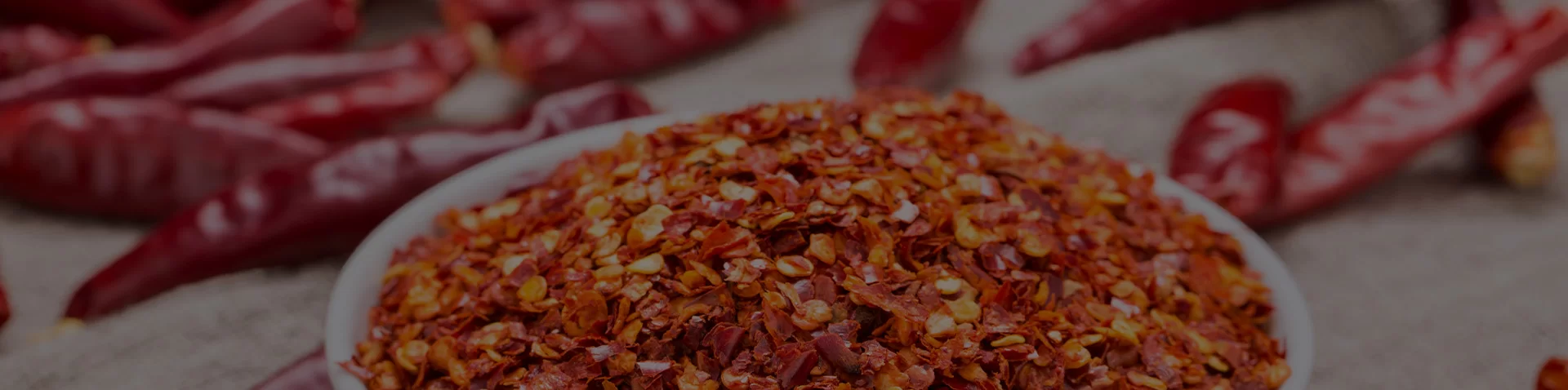

Korean red chili flakes, known globally as Gochugaru, represent a critical ingredient in the intersection of traditional Asian gastronomy and modern food manufacturing. For B2B buyers and food processors, sourcing these flakes requires more than just a supplier; it necessitates a strategic partner capable of delivering consistent heat levels, vibrant colors, and strict adherence to safety standards. This article examines the technical requirements for industrial-grade chili products and how to evaluate suppliers for large-scale production.
The complexity of producing odm korean red chili pepper flakes powder gochugaru lies in the precision of deep processing. From the initial harvest to the final milling, variables such as moisture content, particle size, and the removal of Sudan Red additives determine the product's market value and safety compliance. In an era of heightened regulatory scrutiny, understanding the difference between standard grade and premium processed chili is essential for brand owners aiming for global export.
Readers will explore the essential metrics for evaluating chili powder quality, the impact of sterilization on shelf-life, and the logistics of bulk procurement. By analyzing technical parameters like SHU (Scoville Heat Units) and particle distribution, procurement managers can make informed decisions that ensure their final culinary products maintain a professional gourmet standard across different international markets.
The Industrial Significance of Korean Chili Flakes
In the global spice trade, the demand for high-quality red chili products has shifted toward customized ODM (Original Design Manufacturing) solutions. Food companies no longer seek a generic powder; they require specific profiles that match their recipe's regional target. The industrial processing of chilies involves sophisticated drying and milling techniques that prevent the degradation of natural oils and capsicum pigments. A professional facility must manage the entire chain—from dedicated farms to deep processing units—to eliminate cross-contamination and ensure the absence of artificial dyes. For industrial applications, the stability of the supply chain is as vital as the product itself, as fluctuations in crop quality can lead to inconsistent tastes in mass-produced sauces, snacks, and seasoned meats. Consequently, the focus has moved toward certified quality systems that can guarantee a consistent 500MT monthly capacity while meeting international food safety certifications.
Professional Sourcing and Quality Parameters
Evaluating a chili supplier requires a deep dive into technical specifications. The following seven dimensions outline the critical factors that determine the industrial utility and commercial value of red chili flakes and powders.
Granularity and Texture Analysis
Particle size directly influences how a spice integrates into a food matrix. Coarse flakes are preferred for visual appeal in toppings, while fine powders are essential for smooth emulsions in sauces. Industrial standards typically categorize these by millimeter ranges to ensure recipe consistency.
| Particle Size | Texture Profile | Primary Application | Integration Speed |
|---|---|---|---|
| 0.5-2mm | Fine Grain | Spice Blends & Rubs | Fast |
| 1-3mm | Medium Flake | Kimchi & Stews | Moderate |
| 2-4mm | Coarse Cut | Pizza & Toppings | Slow |
| 3-5mm | Crushed Pod | Pickling Spices | Very Slow |
| Powder | Ultra-Fine | Industrial Sauces | Instant |
| Custom | Specified | Bespoke ODM needs | Variable |
Pungency and Heat Profiles
The heat level, measured in Scoville Heat Units (SHU), defines the product's category. For "Sweet" profiles, pungency is typically kept below 500 SHU, making it suitable for a broader consumer base. Industrial buyers must verify that the heat level remains stable across different batches to avoid altering the flavor profile of their end products.
Color Intensity and Natural Pigmentation
A vibrant, high-saturation red is a hallmark of premium chili. The goal is to achieve this through sun-ripened pods rather than chemical additives. High-quality processing ensures that the natural carotenoids are preserved, providing visual brilliance to processed meats and soups without the need for artificial coloring.
Microbial Control and Sterilization
To meet the strict import regulations of the EU, USA, and Japan, microbial loads must be minimized. Steam sterilization is a critical optional process that reduces pathogens without compromising the flavor profile, ensuring the product is safe for direct consumption in various food applications.
Seed Content Optimization
Seeds can affect both the texture and the heat of the final product. Offering flexible seed content—ranging from 50% retained to completely deseeded—allows manufacturers to control the bitterness and mouthfeel of their seasoning blends, providing a tailored experience based on the target dish.
Purity and Contaminant Testing
The presence of Sudan Red, a prohibited artificial dye, is a major risk in the spice industry. Professional suppliers utilize rigorous testing through agencies like CIQ and SGS to certify that products are 100% natural. This purity is non-negotiable for companies maintaining ISO22000 or BRC certifications.
Supply Chain Stability for ODM
For B2B operations, a capacity of 500MT per month ensures that production lines never stop. Strategic location near major logistics hubs, such as Tianjin Port, reduces transit times and costs. Flexible payment terms like L/C and Alibaba Credit further facilitate smooth international trade for global distributors.
FAQ
What are the key differences between standard and premium red chili flakes?
Premium flakes are distinguished by their vibrant, high-saturation red color derived from pure pods, a strictly controlled pungency level (e.g., <500 SHU for sweet varieties), and the total absence of artificial dyes like Sudan Red. While standard grades may have mixed particle sizes and inconsistent color, premium versions offer customized granularity and certified purity (ISO, BRC, FDA).
Can the seed content in the chili powder be customized for industrial use?
Yes, seed content is a customizable parameter. Depending on the required flavor profile and texture, buyers can choose between 50% seeds, 30-40% seeds, or a completely deseeded version. Deseeded products are often preferred for smooth integration in industrial sauces, while retained seeds provide a more traditional, complex texture for pickling and gourmet toppings.
How is the safety of the product guaranteed for export to the USA or EU?
Safety is guaranteed through a combination of certifications and testing. Compliance with ISO9001, ISO22000, BRC, FDA, and HALAL ensures that the production environment meets global standards. Additionally, rigorous testing by third-party bodies like SGS and CIQ verifies the absence of prohibited additives, and optional steam sterilization is used to meet strict microbial limits.
What is the impact of particle size on food application?
Particle size determines the visual appeal and the rate of flavor release. Fine powders (0.5-2mm) integrate quickly into liquids for consistent seasoning, whereas coarser flakes (2-5mm) are ideal for visual brilliance on pizzas or as aromatic bases in soups. Selecting the correct granularity ensures that the spice does not clump or separate during the manufacturing process.
What are the typical packaging and loading standards for bulk spice shipments?
For optimal preservation, products are typically packed in 25kg Kraft bags lined with plastic film. In terms of logistics, loading efficiency is optimized at 15-16MT per 20’GP or 25MT per 40’FCL. This standardized approach minimizes moisture ingress and ensures efficient handling during international shipping via major ports.
Is it possible to order a custom heat level for a specific brand recipe?
Yes, through ODM services, heat levels can be tailored to specific requirements. By blending different chili varieties or adjusting the processing method, suppliers can achieve the precise SHU level required for a brand's signature taste. This customization is essential for maintaining brand consistency across different global markets.
References and further reading
- International Organization for Standardization (ISO) - Food Safety Management Systems (ISO 22000).
- FDA Food Safety Modernization Act (FSMA) guidelines for imported spices.
- BRC Global Standard for Food Safety - Requirements for processing plants.


