

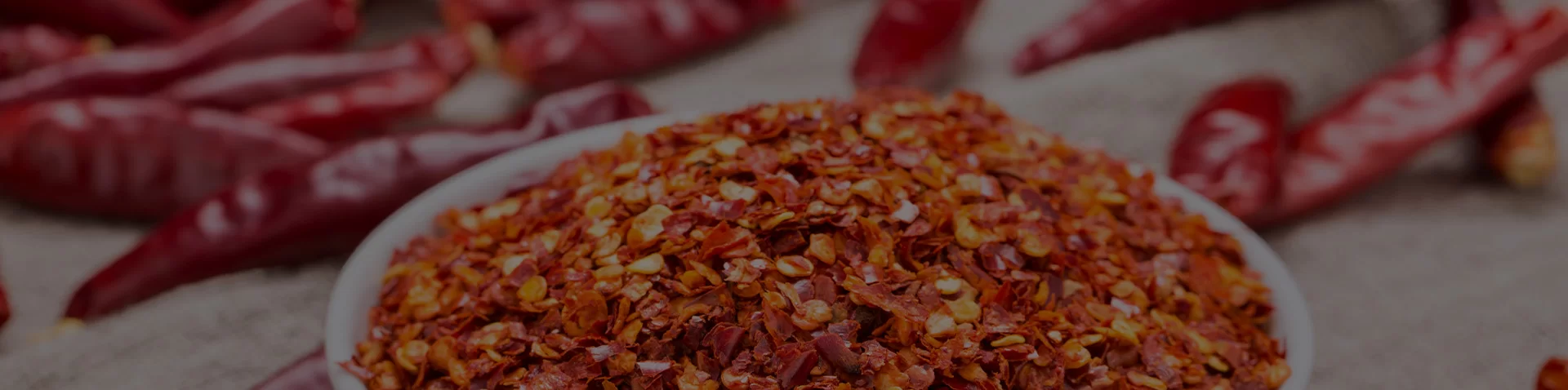

Seedless crushed red pepper is a specialized spice derivative designed for food manufacturers who require the vibrant aesthetics and pungent flavor of chilies without the bitterness or textural inconsistency introduced by seeds. By isolating the pericarp of the pepper, producers can create a cleaner, more uniform ingredient that integrates seamlessly into sauces, seasonings, and gourmet toppings. This article examines the technical requirements for sourcing these flakes and how to evaluate supplier capabilities for large-scale production.
In the B2B food sector, the transition to seedless options is often driven by the need for a "clean label" appearance and a more controlled heat profile. Seeds often contain concentrated capsaicin and oils that can lead to uneven spiciness in a batch of product. For enterprises utilizing odm seedless crushed red pepper flakes, the focus shifts from simple sourcing to precise specification management, ensuring that every shipment maintains the same mesh size and color intensity.
Readers will discover the critical parameters for quality assessment, including SHU (Scoville Heat Units) variance, moisture control, and the importance of international certifications like BRC and FDA. We will also provide a framework for evaluating Original Design Manufacturing (ODM) partners to ensure that customization requests—from particle coarseness to specific heat levels—are met with industrial consistency.
Commercial Value of Seedless Chili Flakes
The commercial appeal of seedless crushed red pepper lies in its versatility and superior visual presentation. In industrial food processing, seeds are often viewed as impurities or "waste" that can clog machinery or disrupt the smooth texture of a premium sauce. By employing advanced deep-processing techniques, manufacturers can remove the seeds while preserving the essential oils and nutrients of the chili. This results in a product that offers a more balanced flavor profile—reducing the sharp, occasional bursts of heat caused by seeds—and providing a vivid red hue that enhances the appetite appeal of the final food product.
Furthermore, the ability to customize these flakes makes them indispensable for global distributors. Whether the target market is the Korean kimchi industry, which demands a specific vibrant red and mild-to-bold heat, or the Western gourmet market, which prefers a coarse, seed-free texture for pizza toppings, the seedless format allows for precise engineering. From a procurement perspective, investing in high-purity flakes reduces the need for additive colorants, aligning with the global trend toward natural, additive-free ingredients.
Technical Procurement Guide
Sourcing seedless chili products requires a technical approach to ensure that the "seedless" claim is backed by rigorous processing and that the resulting flakes meet the sensory requirements of the brand. The following sections break down the seven key dimensions of quality and procurement for this specific spice category.
Seed Removal Technology
The efficacy of seed removal determines the purity of the final product. High-standard facilities utilize mechanical sifting and air-classification systems to separate the lightweight seeds from the heavier pepper flakes. This process must be calibrated to prevent "over-processing," which can break the flakes into a powder, losing the desired "crushed" texture. A professional ODM partner ensures that the separation is complete without compromising the integrity of the fruit wall.
| Processing Level | Seed Content | Texture Profile | Best Use Case |
|---|---|---|---|
| Standard Grade | Low (visible seeds) | Mixed | General Seasoning |
| Premium Seedless | Negligible | Uniform Flakes | Gourmet Toppings |
| Industrial Pure | Non-detectable | Consistent Mesh | Sauce Bases |
| Customized Cut | Controlled | Precise Length | Ethnic Cuisines |
| Fine Seedless | Non-detectable | Powder-like | Spice Blends |
| Coarse Seedless | Non-detectable | Large Flakes | Visual Garnishes |
Heat Level Management (SHU)
Heat consistency is the primary challenge in chili procurement. The Scoville Heat Unit (SHU) can vary significantly between harvests. For seedless flakes, the heat is derived solely from the pericarp. A reliable supplier, such as Xuri Food, manages this by blending different chili varieties to achieve a stable range (e.g., 2000-6000 SHU). Buyers should request a Certificate of Analysis (COA) for every batch to ensure the heat level aligns with their recipe specifications.
Visual Color Consistency
The bright red color of seedless flakes is a critical quality indicator. Natural color is achieved through the selection of high-quality raw red chilies and optimal drying temperatures. It is imperative to verify that the color is organic and not the result of artificial dyes. Testing for "Sudan Red" and other banned colorants is a mandatory step in international procurement to avoid customs rejections and health risks.
Purity and Contaminant Control
Industrial spice production is susceptible to foreign matter contamination. A professional facility implements multi-stage filtration, including magnetic separators and optical sorters, to remove stems, stones, and metallic fragments. Purity is not just about the absence of seeds, but the absence of any non-chili material, ensuring the product is safe for direct consumer application.
Particle Size Customization
The "crush" of the flake defines its application. From a 10-40 mesh fine cut to 2-3mm coarse flakes, the particle size affects how the spice releases flavor and how it looks in the final dish. Buyers must specify the exact mesh requirements. ODM capabilities allow for these adjustments, ensuring the product fits the specific filling machinery or packaging requirements of the client.
OEM Packaging Logistics
For B2B operations, packaging must balance protection with efficiency. Heavy-duty Kraft bags (e.g., 20kg) are ideal for industrial transport, while 1kg retail-ready options suit specialty distributors. When sourcing ODM services, verify the supplier's ability to provide customized branding and vacuum-sealed options to extend shelf life and prevent moisture absorption during transit.
Compliance and Food Safety
Global trade requires strict adherence to food safety standards. Certification is the only objective proof of a supplier's reliability. Essential certifications include ISO9001 and ISO22000 for quality management, FDA for US market entry, BRC for retail standards, and HALAL for specific regional requirements. These certifications ensure that the facility follows Good Manufacturing Practices (GMP).
FAQ
What is the primary advantage of seedless flakes over standard crushed red pepper?
The primary advantage is the combination of a cleaner visual appearance and a more consistent taste. Seeds can introduce bitterness and unpredictable spikes of heat. By removing them, manufacturers obtain a uniform product that provides a stable heat profile and a more professional, high-end look in the final food application.
How can I verify that the red color is natural and not dyed?
Verification is done through laboratory testing for banned dyes, specifically Sudan Red. You should require your supplier to provide a third-party test report or a certification from an accredited body (like FDA or BRC) confirming that the product is free from artificial colorants and achieves its hue through raw material quality.
Can the SHU level be customized for different product lines?
Yes, ODM suppliers can customize the SHU level by blending different varieties of chilies or adjusting the processing of the fruit wall. Whether you need a mild 2,000 SHU for a general sauce or a bold 6,000 SHU for an ethnic specialty, the blend can be engineered to meet your specific sensory targets.
What is the recommended storage method for bulk chili flakes?
Chili flakes should be stored in a cool, dry place away from direct sunlight and strong odors. Because they are hygroscopic (they absorb moisture from the air), they must be kept in airtight containers or sealed industrial bags to prevent clumping, mold growth, and the degradation of the bright red color.
What should I check when evaluating a new chili ODM supplier?
Focus on three pillars: Certifications (ISO, FDA, BRC), Production Capacity (to ensure they can scale with your growth), and Sample Consistency. Order multiple samples across different batches to see if the color and SHU remain stable, as this indicates the supplier's ability to control their raw material chain.
Are seedless flakes suitable for traditional Korean Kimchi?
Absolutely. In fact, premium Gochugaru—the core ingredient for kimchi—is often processed to be seed-free or low-seed to ensure the kimchi has a smooth, vivid red paste. The balance of flavor and color provided by seedless processing is essential for achieving professional, restaurant-grade culinary results.
References and further reading
- International Organization for Standardization (ISO) - Food Safety Management Systems (ISO 22000).
- FDA Food Safety Modernization Act (FSMA) guidelines for imported spices.
- Global Food Safety Initiative (GFSI) - BRCGS Standards for Food Safety.


