

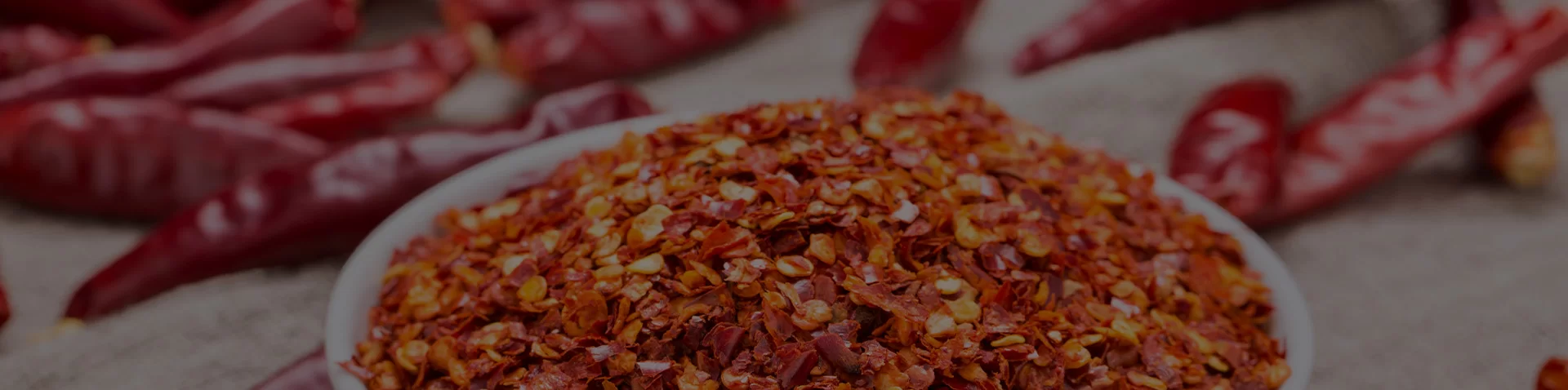

For food manufacturers and distributors, sourcing a reliable supply of premium chili flakes requires a balance of sensory appeal, safety compliance, and scalable production. Whether used as a standalone condiment or an ingredient in complex sauce formulations, the consistency of heat and color determines the final product's market viability. This guide examines the critical parameters for selecting high-grade chili flakes from an Original Design Manufacturing (ODM) perspective.
In the competitive B2B spice market, procurement professionals must look beyond basic pricing to evaluate the deep processing capabilities of a supplier. From the precision of stem removal to the rigorous exclusion of Sudan Red and heavy metals, the technical infrastructure of the facility directly impacts the safety and purity of the ingredient. Understanding these variables allows businesses to mitigate supply chain risks and ensure a uniform consumer experience.
Readers will explore the essential criteria for evaluating chili flake quality, including SHU (Scoville Heat Units) stability, moisture control, and international certification standards. By analyzing the intersection of raw material sourcing and industrial processing, we provide a framework for establishing long-term partnerships with manufacturers who can scale production without compromising the natural essence of the pepper.
Commercial Standards for Chili Flakes Production
Industrial chili processing has evolved from simple drying to a precise science of moisture and temperature management. The goal is to preserve the volatile oils and vibrant pigments of the pepper while ensuring biological stability. For those seeking odm sweet chili flakes, the focus shifts toward "sweet" profiles—where a deep red hue is prioritized over extreme heat. This requires a specific selection of pepper varieties, such as the Tianying chili, which naturally provides a sophisticated mild heat (8,000-10,000 SHU). Proper processing involves automated stem removal and controlled drying to prevent the growth of mold and aflatoxins, ensuring the product remains clean and natural. When the raw material is sourced directly from dedicated farms, the manufacturer can control the quality from seed to shipment, reducing the variability often found in open-market trading.
Strategic Sourcing and Quality Control Guide
Evaluating a spice manufacturer requires a deep dive into their technical parameters and safety protocols. The following analysis breaks down the seven core dimensions that define an export-grade chili processing operation.
Raw Material Selection
The foundation of quality lies in the geography and variety of the peppers. Sourcing from fertile regions like Henan and Hebei ensures the pods have the necessary thickness and oil content to produce vibrant flakes. A vertical integration model, where the processor manages their own farms, eliminates the risk of mixed-grade raw materials entering the production line.
| Material Grade | Visual Characteristic | Commercial Value | Risk Level |
|---|---|---|---|
| Premium Selected | Deep, Consistent Red | High Brand Reliability | Low |
| Standard Grade | Varied Red Tones | General Industrial Use | Medium |
| Mixed Grade | Pale to Dark Red | Low-cost Filling | High |
| Processed Pods | Clean, Stem-free | Reduced Labor Cost | Low |
| Farm-Direct | Uniform Maturity | Supply Chain Security | Very Low |
| Market-Sourced | Inconsistent Size | Price Volatility | Medium |
Moisture and Shelf-Life Management
Moisture content is the primary determinant of shelf stability. In professional processing, maintaining a maximum moisture level of 14% is critical to preventing mold and bacterial growth. This is achieved through precision drying techniques that remove water without scorching the pepper's natural oils, ensuring a long shelf life without the need for chemical preservatives.
Heat Level Calibration (SHU)
For "sweet" or mild profiles, consistency in Scoville Heat Units (SHU) is paramount. A range of 8,000 to 10,000 SHU is ideal for global palates, providing warmth without overpowering other flavors. Manufacturers must employ batch testing to ensure that the heat level does not fluctuate between shipments, which would otherwise alter the taste profile of the client's final product.
Color Purity and Naturality
The visual appeal of chili flakes is often a selling point, but it must be achieved naturally. The use of Sudan Red or other artificial coloring agents is strictly prohibited in international trade due to health risks. High-quality manufacturers rely on the natural pigmentation of ripened pods and rigorous testing to certify that the red hue is 100% organic.
Industrial Processing Capabilities
Automation in stem removal and grinding ensures high purity and efficiency. Mechanical stem removal eliminates the "woody" taste and ensures that only the fruit of the pepper is used. Furthermore, the ability to scale production—such as a capacity of 100 metric tons per month—allows a manufacturer to support large-scale industrial demands without lead-time delays.
Global Certification Compliance
Entering international markets requires adherence to strict food safety standards. Certifications such as ISO9001, ISO22000, BRC, FDA, and HALAL are not just labels but evidence of a controlled environment. These audits verify that the facility manages allergens, heavy metals, and pest control according to global benchmarks.
Supply Chain Stability
B2B buyers face significant risks from seasonal crop failures. A supplier with a diverse sourcing network across multiple provinces and significant storage capacity can provide a year-round steady supply. Standardized packing, such as 25kg poly bags in woven outer bags, further ensures product integrity during long-distance maritime transport.
FAQ
What defines the "sweet" profile in industrial chili flakes?
The "sweet" profile refers to a chili product that emphasizes a vibrant red color and a mild, balanced heat level, typically ranging from 8,000 to 10,000 SHU. This makes it suitable for a wider range of consumers compared to high-heat varieties, while still providing the characteristic depth of authentic pepper flavor.
How can buyers verify the absence of artificial colors like Sudan Red?
Buyers should request third-party laboratory test reports and look for certifications such as BRC or FDA. Reputable manufacturers conduct regular audits and provide Certificates of Analysis (COA) for every batch to prove that the product is free from coloring agents and heavy metals.
Why is a 14% moisture limit important for chili flakes?
Moisture levels above 14% significantly increase the risk of mold growth and the production of mycotoxins. By keeping moisture low through professional drying processes, manufacturers can ensure the product remains stable during storage and shipping, prolonging its shelf life without additives.
Can chili flakes be customized for specific industrial applications?
Yes, ODM manufacturers can adjust parameters such as the flake size (coarse vs. fine), the presence or absence of stems, and the specific heat level to meet the needs of different food applications, such as oil infusions, seasoning blends, or direct toppings.
What are the key certifications to look for in a spice supplier?
For global export, ISO9001 (Quality), ISO22000 (Food Safety), BRC (Global Standard for Food Safety), FDA (USA market access), and HALAL (specific dietary requirements) are the gold standards. These ensure that the supplier adheres to strict hygiene and quality management systems.
How does farm-direct sourcing benefit the end buyer?
Farm-direct sourcing reduces the number of intermediaries, which lowers the risk of contamination and material mixing. It also provides the manufacturer with better control over the ripening process and harvest timing, leading to more consistent color and heat levels across different production batches.
References and further reading
- International Organization for Standardization (ISO) - Food Safety Management Systems (ISO 22000).
- FDA Guidance for Industry: Control of Hazardous Substances in Spices.
- BRC Global Standard for Food Safety - Requirements for Spice Processing.


